
Search

Sign In Join Free


1 / 2
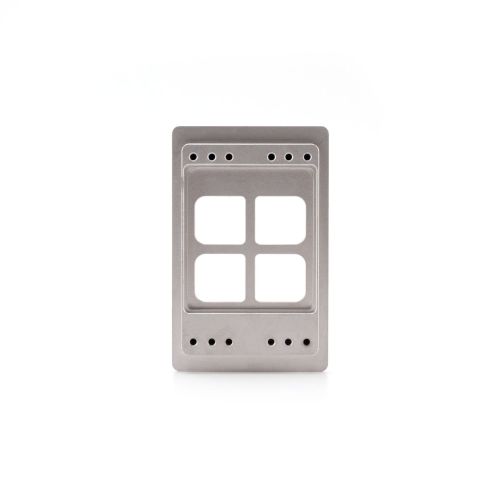
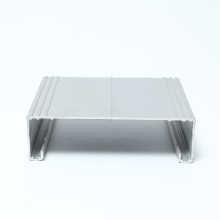
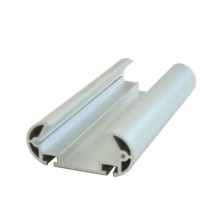
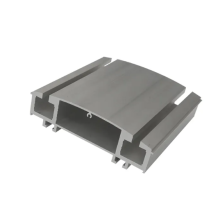
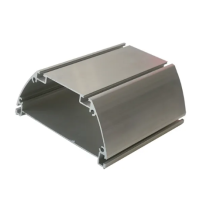
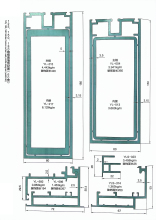
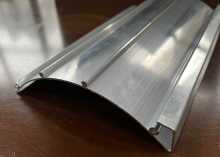
aluminum profile for medical device
Get Latest Price
You might also like



Basic Info
| Brand Name | yuejia |
|---|---|
| place of origin | China |
| Material | 6000 Series |
| annealing | T3-T8 |
| Whether alloy | Is Alloy |
Product description
?
The application of aluminum in the field of medical devices is extensive and diverse, covering various aspects from medical device manufacturing to drug composition. ?
Aluminum, as a lightweight, high-strength, corrosion-resistant, and non-toxic material, plays an important role in the manufacturing of medical devices.
?
1. Lightweight and High Strength: Medical device aluminum profiles are mainly composed of aluminum alloy and have the characteristics of lightweight and high strength.
Compared to traditional steel, aluminum alloy has low density, light weight, and high strength, possessing excellent properties such as tensile strength, compressive strength, and corrosion resistance.
2. Corrosion resistance: In medical environments, instruments often come into contact with various chemicals and disinfectants, so high requirements are placed on the corrosion resistance of materials.
Aluminum alloy, as a corrosion-resistant material, can effectively resist the erosion of chemical substances, ensuring the service life and safety of medical devices.
3. Good processability: Aluminum Profile for medical devices have good processability and can be processed through milling, cutting, stamping, and other methods to meet the design requirements of different devices.


aluminum profile for medical device
Get Latest Price
Send your inquiry to this supplier
You may also be interested in
- medical device
- aluminum extrusion
- Aluminum Device
- extrusion aluminum
- Chinese medical device
- For Medical Device
- family medical device
- disposable medical device
- medical device disinfection
- medical device distributor
- medical device distributors
- medical device equipment
- medical device fda
- Medical Device Product
- Medical Device products
Product Categories
New products




Send Inquiry
Product Alert
Subscribe to your interested keywords. We will send freely the latest and hottest products to your Inbox. Don't miss any trade information.
Subscribe
Your use of this website constitutes acknowledgement and acceptance of our Terms & Conditions.
Copyright ? 2009-2026 Bossgoo Co., Ltd. All rights reserved.
