
Search

Sign In Join Free




Video
1 / 4
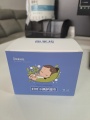
Anti-Mosquito Wet Tissue for Sensitive Skin
$0.50
~ $2.00
/ Bag/Bags
Get Latest Price
You might also like


Basic Info
| Brand Name | ChiChaKun |
|---|
Product description
The raw materials of wet wipes are more intricate than one might think. Instead of single materials like cotton, non-woven fabrics, used in products like baby cleansing wipes and industrial wipes, dominate the market. These fabrics are produced by processing fibers and bonding them under high pressure.
?
Pure polyester wipes, common in cheaper options, have issues. They're less soft, prone to pilling, and their poor hydrophilicity causes moisture to pool at the bottom of the pack. As a non-biodegradable petrochemical product, polyester harms the environment. Burning the wipe's base material reveals polyester if it emits black smoke and hardens into clumps.
?
Viscose fibers, from natural sources, offer an eco-friendly choice. Whether from cotton, wood, or bamboo pulp, they degrade easily and burn without residue. However, their higher cost makes them less accessible. Blending polyester with viscose, typical in facial cleansing wipes, balances cost and comfort. This mix reduces pilling and improves water retention, making it a practical option for disposable hygiene items.



Video
Chichakun little Mong Ding
Chichakun little Mong Ding
hand and mouth wipes
Chichakun little Mong Ding
hand and mouth wipes
Anti-Mosquito Wet Tissue for Sensitive Skin
$0.50
~ $2.00
/ Bag/Bags
Get Latest Price
Send your inquiry to this supplier
You may also be interested in
New products


Send Inquiry
Product Alert
Subscribe to your interested keywords. We will send freely the latest and hottest products to your Inbox. Don't miss any trade information.
Subscribe
Your use of this website constitutes acknowledgement and acceptance of our Terms & Conditions.
Copyright ? 2009-2026 Bossgoo Co., Ltd. All rights reserved.
版權(quán)所有 ? 寧波全貿(mào)信息技術(shù)有限公司 浙ICP備12012821號(hào)-1 浙B2-20200628
