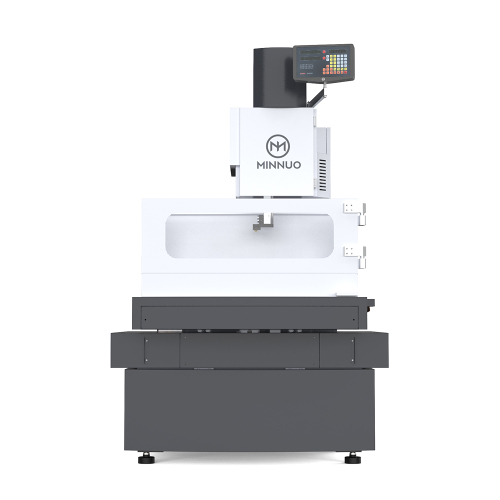
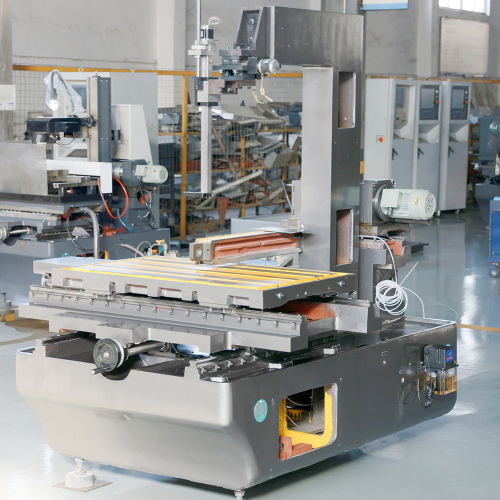
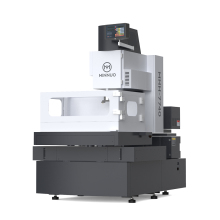
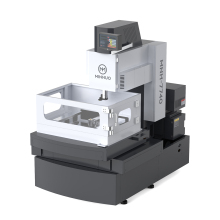
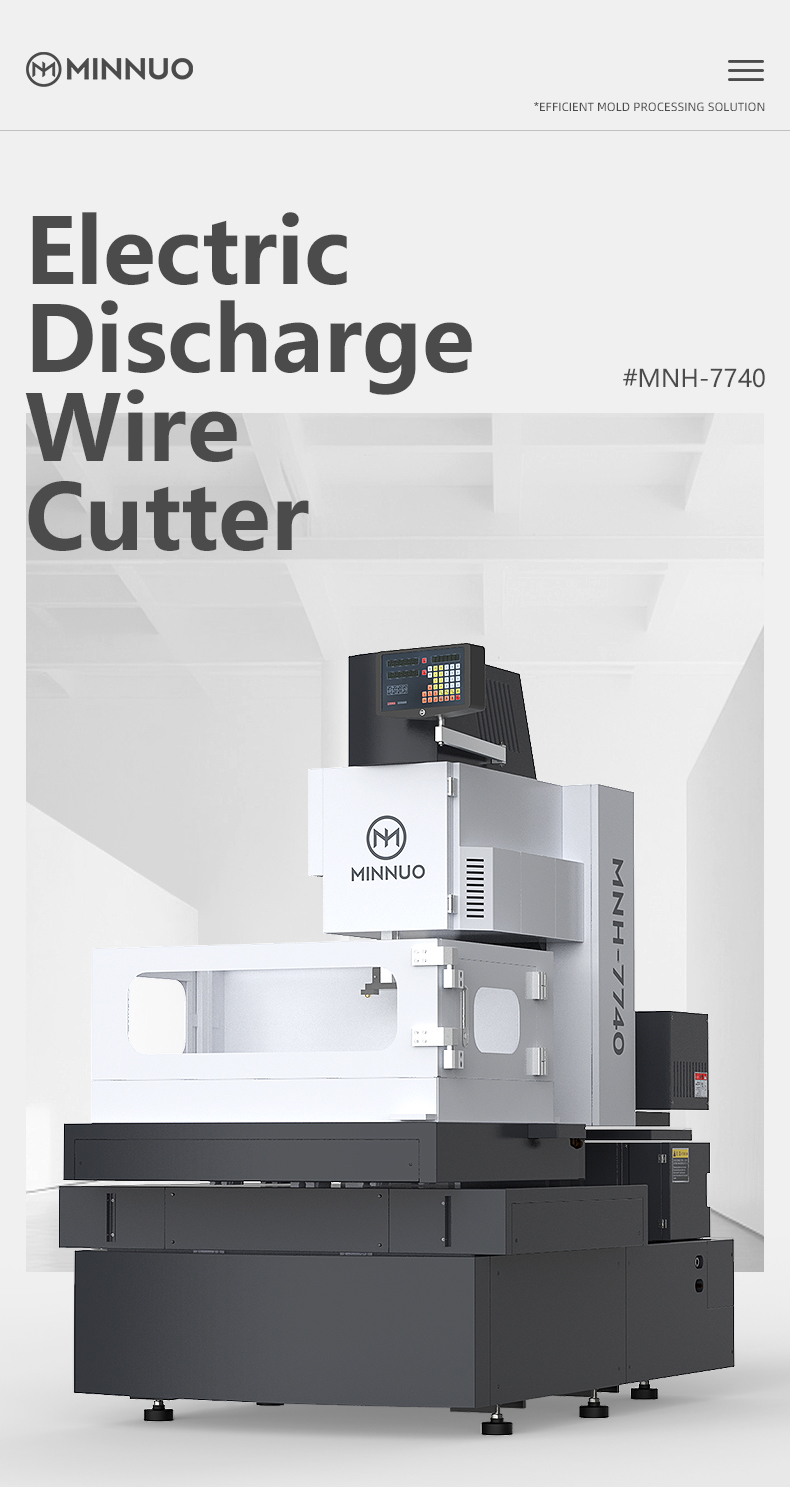
Precision Die Sinking EDM for Professional Tooling and Small-Scale Manufacturing This advanced Electric Spark Cutting Machine delivers high-accuracy, non-contact machining for mold makers, die designers, and precision engineering teams worldwide. Engineered as a CNC Die Sinking EDM Spark Cutting System, it offers an efficient solution for intricate cavity shaping, electrode erosion control, and tight-tolerance finishing in both prototyping and production environments. Whether you're working with hardened steel, titanium, or other conductive materials, this compact die sinking EDM system ensures consistent performance without mechanical stress on delicate components.
Fully automated CNC-controlled spark cutting process with adaptive current regulation - Integrated digital monitoring for real-time electrode wear tracking and discharge stability - Compact footprint ideal for small workpieces up to 150mm x 150mm x 100mm - High-efficiency die sinking EDM solution with minimal thermal distortion - User-friendly interface supporting multi-axis movement (X, Y, Z) for complex contouring - Built-in safety interlocks and emergency stop mechanisms for operator protection.
?
The Electric Spark Cutting Machine operates using controlled electrical discharges between a graphite or copper electrode and the workpiece, eroding material precisely without physical contact. This method, also known as Electrical Discharge Machining (EDM), is particularly effective for manufacturing molds, dies, and inserts where traditional milling would introduce tool deflection or surface damage. The system’s professional spark cutting capabilities include automatic tool path generation, optimized pulse settings for different materials, and a closed-loop feedback system that maintains dimensional accuracy within ±0.005mm. Its compact design makes it suitable for workshops with limited floor space while still delivering industrial-grade results—ideal for small batch production, rapid prototyping, and repair work on worn tools. The machine supports various die sinking techniques such as roughing, semi-finishing, and finishing passes, allowing users to balance speed and surface finish based on application needs.
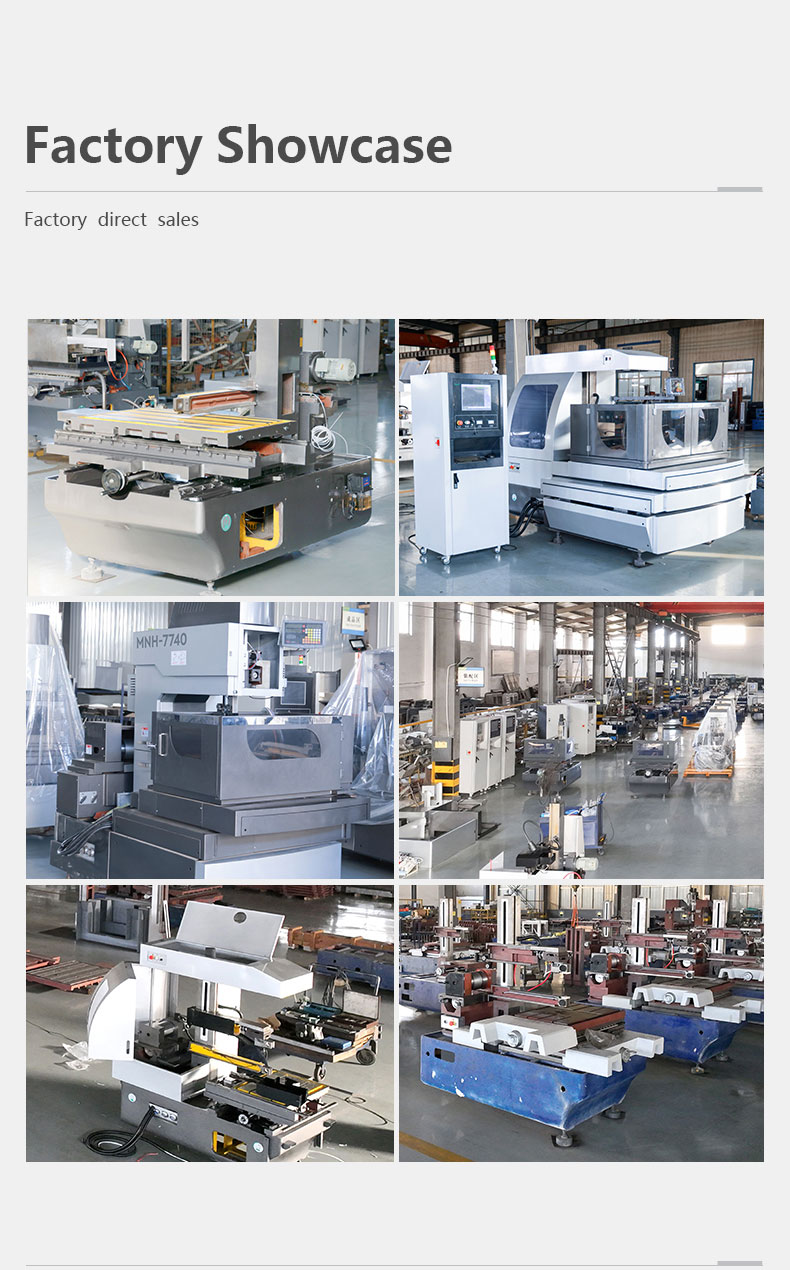
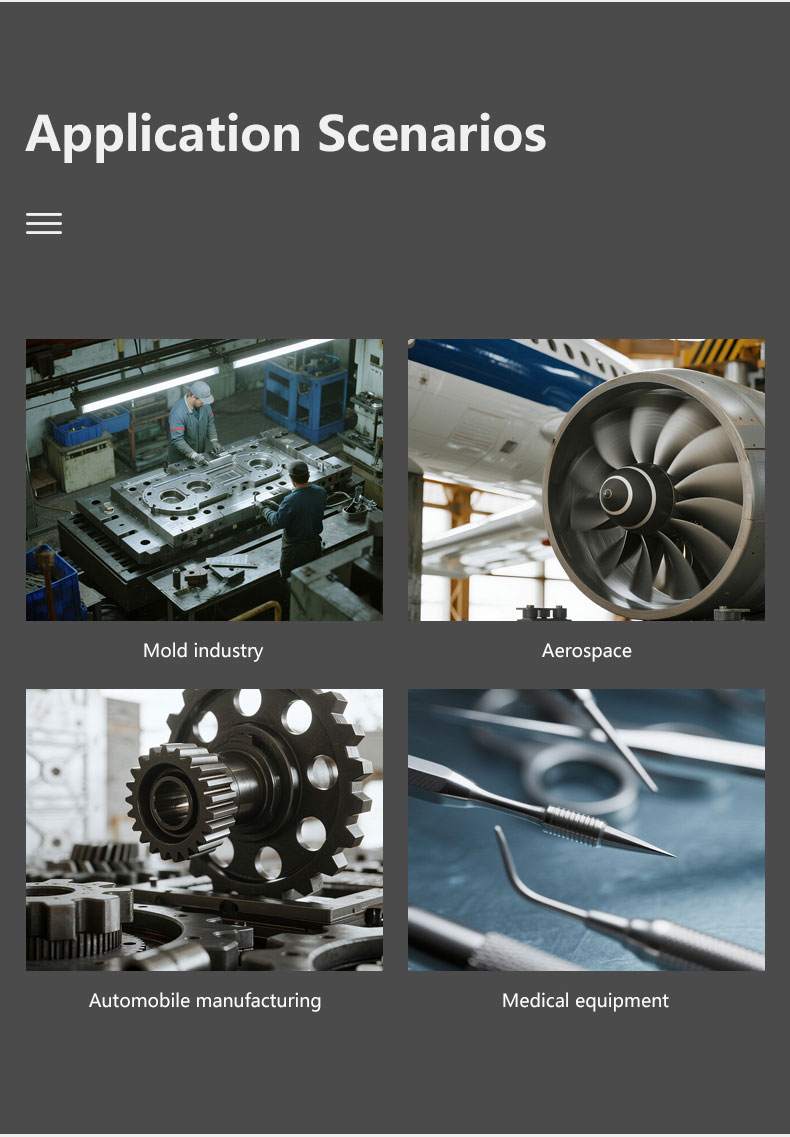
Engineers in aerospace, automotive, and medical device industries use this system to produce micro-molds, injection molding cavities, and precision dies. It’s especially valuable for creating internal features like cooling channels or undercuts that are difficult to achieve with conventional methods. Foundries and tool shops benefit from its ability to handle small-scale dies efficiently—reducing setup time and improving yield. Hobbyists and small manufacturers appreciate its ease of integration into existing workflows, offering a scalable entry point into high-precision manufacturing.
?
Users consistently highlight the machine's reliability in producing mirror-like finishes on hardened steel without post-polishing. One mold maker noted, “I’ve reduced my cycle time by 40% compared to manual EDM setups, and the consistency across batches has improved our quality audits.” Another user praised the intuitive controls: “Even with minimal training, I can set up complex shapes in under 10 minutes—a game-changer for our R&D team.”
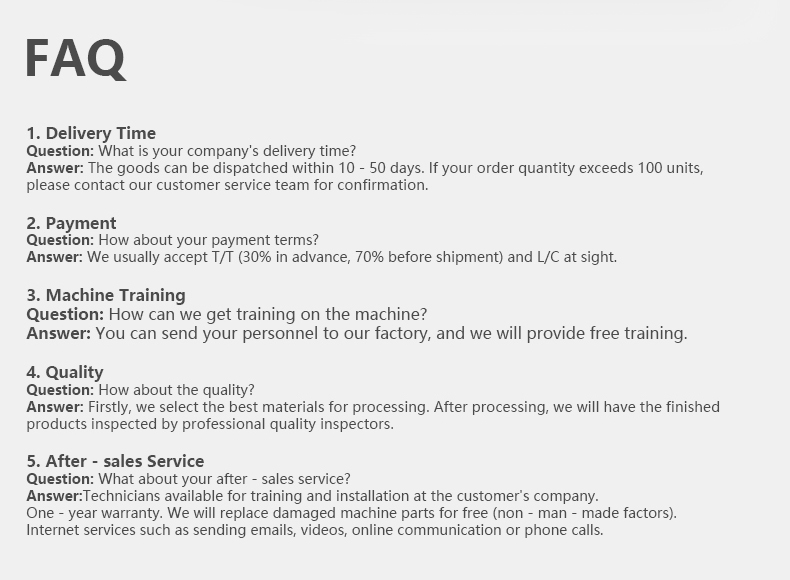
What materials can be processed using this Electric Spark Cutting Machine? It works effectively with any electrically conductive metal including tool steels, stainless steel, aluminum alloys, brass, and tungsten carbide. Non-conductive materials require pre-coating or specialized electrodes. How does this differ from traditional milling for die making? Unlike mechanical cutting, which introduces vibration and heat stress, this spark cutting system uses controlled electrical pulses to remove material atom-by-atom, resulting in zero tool wear and superior edge integrity—especially critical for high-wear applications. Is it suitable for beginners in EDM technology? Yes, the system includes guided setup wizards, visual prompts, and adjustable sensitivity levels for novice operators. Many users report achieving professional results within their first week of operation. Can it be used for small-volume production runs? Absolutely—it excels in low-to-medium volume scenarios where flexibility, precision, and cost-effectiveness are prioritized over mass throughput. Its compact size and quick changeover make it ideal for job shops and startups alike.