
Search

Sign In Join Free


1 / 2
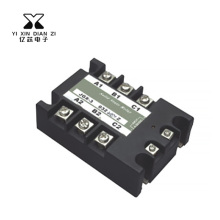
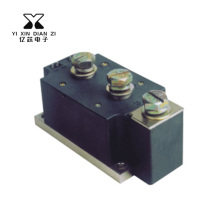
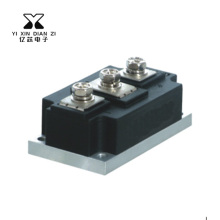
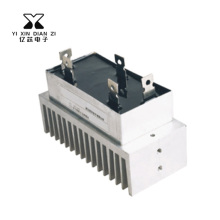
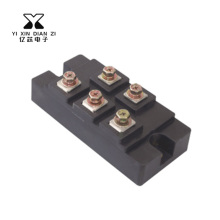
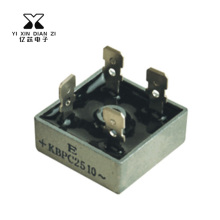
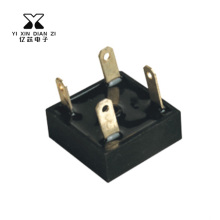
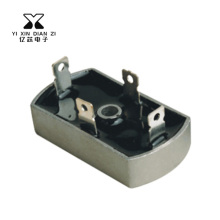
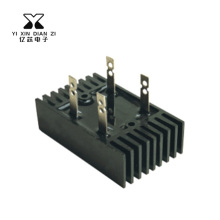
Efficient Solid State Relay Technology for Modern Systems
Get Latest Price
You might also like


Basic Info
| Model No. | H02 |
|---|---|
| Brand Name | YIXIN |
Product description
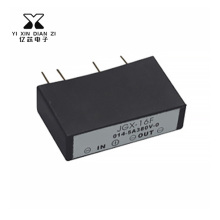
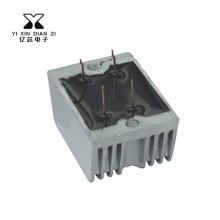
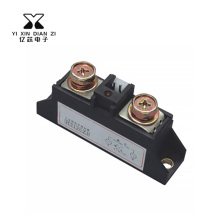
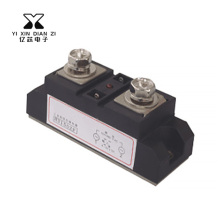
Efficient Solid State Relay Technology for Modern Systems The Efficient Solid State Relay Technology for Modern Systems is a cutting-edge solution designed to meet the evolving demands of contemporary electrical and automation systems. This advanced solid state relay technology ensures seamless integration into a wide range of applications, offering superior performance, reliability, and efficiency. Whether used in industrial control systems, commercial infrastructure, or high-precision manufacturing environments, this reliable solid state relay option provides an optimal balance between durability and functionality. Key Features This product is engineered with precision and innovation at its core, delivering a host of features that set it apart from conventional relay solutions. The efficient solid state relay technology incorporates advanced circuitry and high-quality components to ensure consistent operation under varying conditions. It supports both AC and DC input signals, making it highly versatile for different system configurations. Additionally, the design minimizes electromagnetic interference, ensuring stable performance even in complex electrical environments. The solid state relay also boasts a long operational lifespan, reducing maintenance requirements and enhancing overall system efficiency. Detailed Description Solid state relays have revolutionized the way electrical systems are controlled, replacing traditional electromechanical relays with more efficient and durable alternatives. Unlike their mechanical counterparts, these solid state relay systems operate without moving parts, significantly reducing wear and tear. This makes them ideal for applications requiring frequent switching or high-speed operations. The advanced solid state relay systems offered here utilize semiconductor-based switching mechanisms, allowing for faster response times and lower power consumption. The reliable solid state relay options available are specifically designed to handle a broad range of voltage and current levels, ensuring compatibility with various equipment and machinery. They are built to withstand harsh environmental conditions, including temperature fluctuations, humidity, and vibration, making them suitable for use in demanding industrial settings. Furthermore, the compact design of these solid state relays allows for easy installation and space-saving integration within control panels and automation setups. Use Cases The Efficient Solid State Relay Technology for Modern Systems is widely applicable across multiple industries. In manufacturing plants, these solid state relays are used to control conveyor belts, robotic arms, and automated assembly lines. In commercial buildings, they are employed in HVAC systems, lighting controls, and security systems. In the field of renewable energy, they play a crucial role in managing solar inverters, battery storage units, and grid-tied systems. Their versatility extends to transportation, where they are used in train control systems, electric vehicle charging stations, and onboard electronics. User Reviews Users who have integrated this solid state relay into their systems consistently praise its performance and reliability. Many highlight the ease of installation and the noticeable improvement in system efficiency. One user mentioned that the advanced solid state relay systems have reduced downtime in their production line, leading to increased output. Another user appreciated the low power consumption and the quiet operation of the solid state relay, which contributes to a more stable and noise-free environment. Overall, the feedback reflects a strong satisfaction with the quality and functionality of these reliable solid state relay options. Frequently Asked Questions What is a solid state relay? A solid state relay is an electronic switch that operates without any moving parts. It uses semiconductor devices to control the flow of electricity, making it more durable and efficient than traditional electromechanical relays. How does a solid state relay differ from a traditional relay? Unlike traditional relays, which rely on mechanical components such as coils and contacts, solid state relays use electronic circuits. This eliminates the risk of mechanical failure and reduces the need for regular maintenance. What are the benefits of using a solid state relay? Solid state relays offer several advantages, including faster switching speeds, longer lifespan, lower power consumption, and reduced electromagnetic interference. They are also more compact and easier to integrate into modern control systems. In which applications can solid state relays be used? Solid state relays are used in a wide range of applications, including industrial automation, HVAC systems, lighting control, renewable energy systems, and transportation. Their versatility makes them suitable for both simple and complex electrical setups. Are solid state relays compatible with different voltage levels? Yes, most solid state relays are designed to handle a variety of voltage inputs, including both AC and DC signals. This flexibility allows them to be used in diverse environments and systems. How long do solid state relays last? With proper installation and usage, solid state relays can last for many years without significant degradation in performance. Their lack of moving parts contributes to their long operational life. Can solid state relays be used in high-temperature environments? Many solid state relays are built to withstand high temperatures and other challenging conditions. However, it is important to select the appropriate model based on the specific environmental requirements of the application. What is the typical power consumption of a solid state relay? Solid state relays generally consume less power compared to traditional relays, making them a more energy-efficient choice for modern systems. The exact power consumption depends on the specific model and operating conditions. How do I choose the right solid state relay for my system? When selecting a solid state relay, consider factors such as the type of signal being controlled (AC or DC), the required voltage and current ratings, environmental conditions, and the level of integration needed. Consulting technical specifications and working with experienced engineers can help ensure the best fit for your application.
- 0yrs
China
Efficient Solid State Relay Technology for Modern Systems
Get Latest Price
Send your inquiry to this supplier
You may also be interested in
Product Categories
New products
Send Inquiry
Product Alert
Subscribe to your interested keywords. We will send freely the latest and hottest products to your Inbox. Don't miss any trade information.
Subscribe
Your use of this website constitutes acknowledgement and acceptance of our Terms & Conditions.
Copyright ? 2009-2026 Bossgoo Co., Ltd. All rights reserved.
