
Search

Sign In Join Free



Video
1 / 4
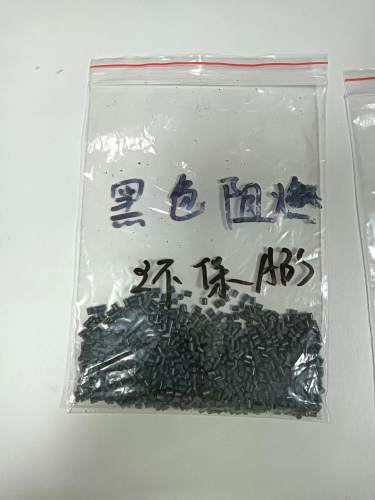
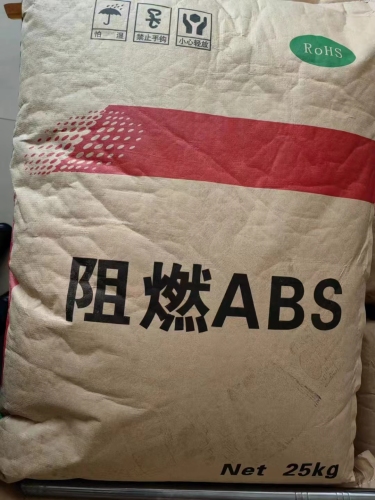
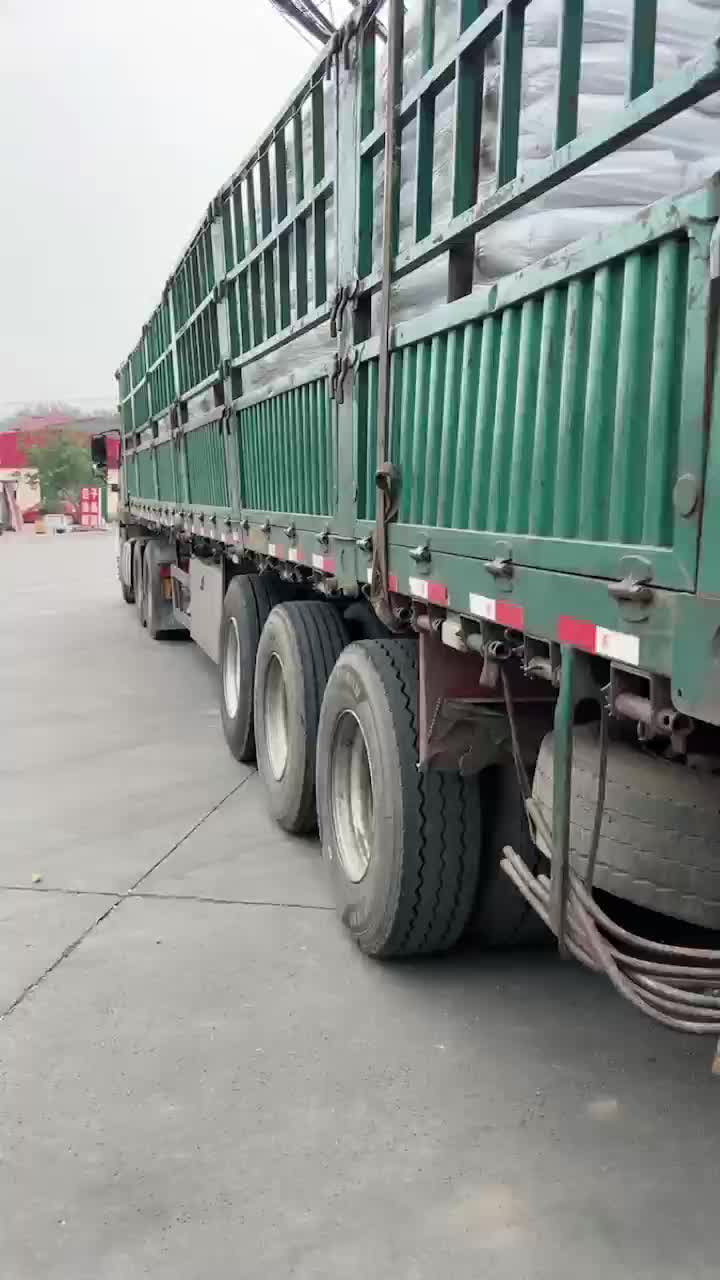
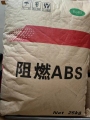
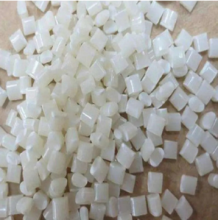
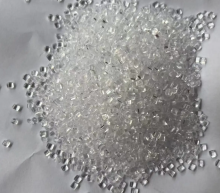
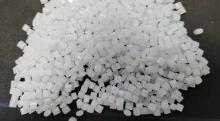
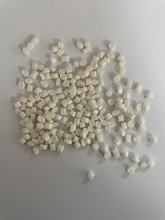
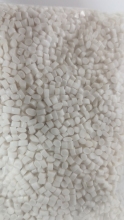
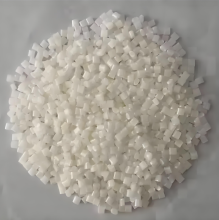
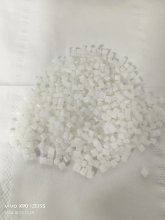
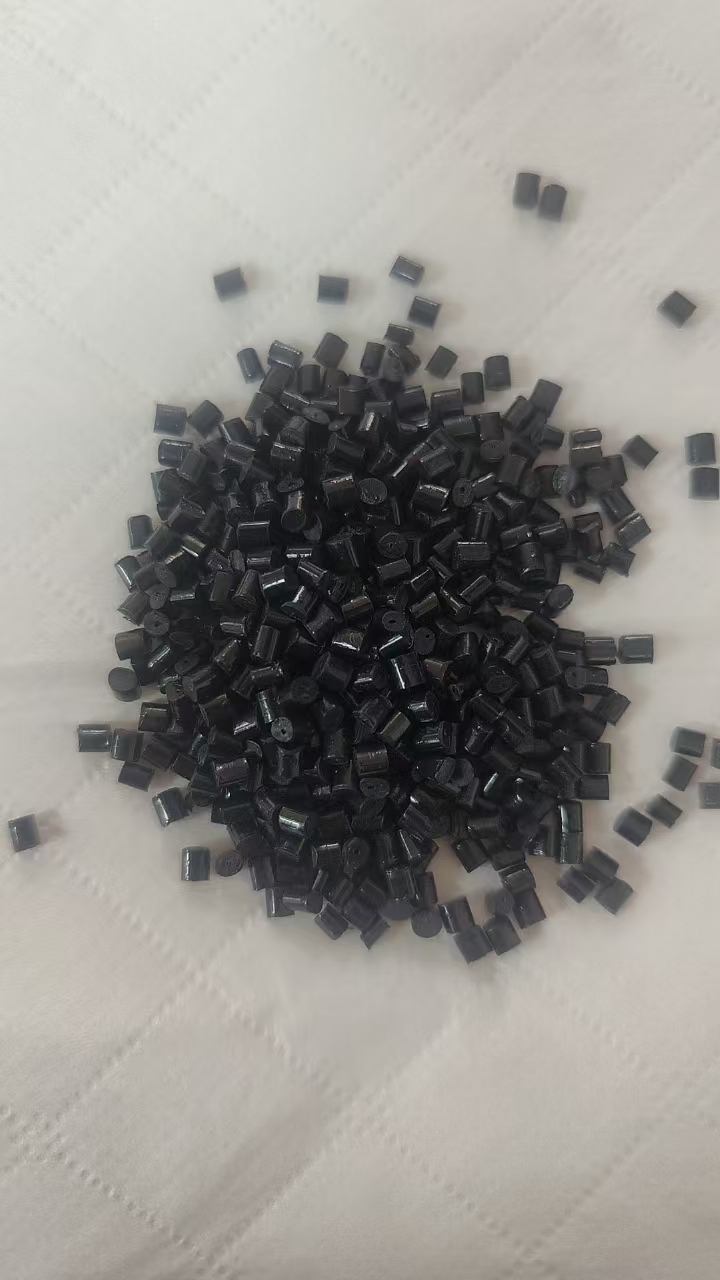
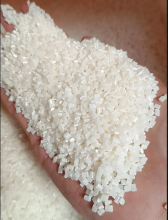
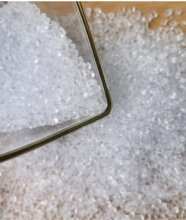
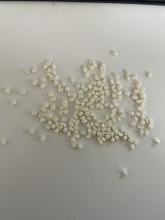
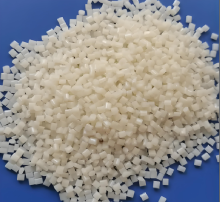
Flame retardant ABS recycled material black
Get Latest Price
You might also like


Basic Info
Product description
What are the characteristics and applications of ABS flame retardant materials,Abs Plastic
ABS resin has good toughness and high strength, suitable for use in environments ranging from -25 ℃ to 60 ℃. It has excellent formability and produces products with high surface smoothness, easy dyeing and electroplating. The shell of household appliances can be made of flame-retardant ABS material, which is a flammable material and belongs to HB level according to UL94 standard. When ABS catches fire, it burns quickly and releases a large amount of toxic gas and black smoke, which is not conducive to practical applications. With the advancement of technology and the improvement of quality of life, people's awareness of safety is becoming stronger. Strict fire and flame retardant requirements have been put forward for plastic materials used in automobiles, buildings, household appliances, office supplies and other fields at home and abroad, and corresponding technical standards and specifications have been formulated. Therefore, the research on flame retardant ABS has significant importance. ABS V0 fire-resistant material is ABS plastic certified by UL-94 V0 level, with flame retardant levels divided into HB, V2, V1, V0, 5VB, and 5VA levels increasing in order,PC Or ABS
To produce flame-retardant ABS material, flame retardants need to be added to ABS plastic. Common flame retardants include bromine based flame retardants, phosphorus based flame retardants, and nitrogen based flame retardants. By adding an appropriate amount of flame retardant, ABS material can slow down the combustion rate when encountering a fire source and automatically extinguish after extinguishing. However, the addition of flame retardants may affect certain properties of ABS materials, such as mechanical properties, processability, and appearance, so these factors need to be fully considered when designing flame retardant ABS formulations.Polyformaldehyde


Video
1b370b7d9522a69011a9f54a97860af9
1b370b7d9522a69011a9f54a97860af9
1b370b7d9522a69011a9f54a97860af9
Flame retardant ABS recycled material black
Get Latest Price
Send your inquiry to this supplier
You may also be interested in
Product Categories
New products

Send Inquiry
Product Alert
Subscribe to your interested keywords. We will send freely the latest and hottest products to your Inbox. Don't miss any trade information.
Subscribe
Your use of this website constitutes acknowledgement and acceptance of our Terms & Conditions.
Copyright ? 2009-2026 Bossgoo Co., Ltd. All rights reserved.
版權(quán)所有 ? 寧波全貿(mào)信息技術(shù)有限公司 浙ICP備12012821號-1 浙B2-20200628
