

Sign In Join Free


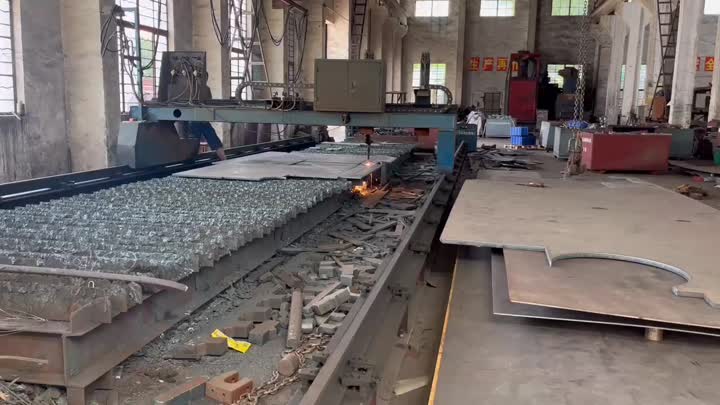

Video
1 / 2
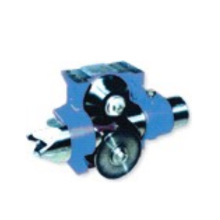
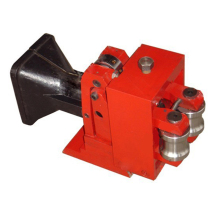
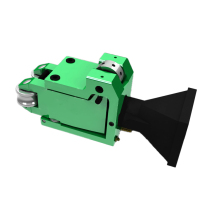
Rolling multi-line exit guide


Basic Info
| Model No. | MH0960B |
|---|---|
| place of origin | China |
| Types of | Hot Rolling Mill |
| Old and new | New |
| Video factory inspection | Not Available |
| Mechanical test report | Not Available |
Product description
Steel guide rail is a common rolling guide material, which has the advantages of high strength, wear resistance and corrosion resistance. Steel guide rails are usually manufactured through a steel rolling process, that is, a steel billet is subjected to a series of pressure and temperature treatments to form it into the desired shape and size.
The manufacturing process of rolling guide usually includes the following steps:
1. Steel billet preparation: choose the appropriate steel, cut and heat treatment to make it reach the appropriate temperature.
2. Rolling: The heated billet is rolled through a rolling mill to form it into the desired shape and size.
3. Cooling: cooling the rolled guide rail to make it reach the required hardness and strength.
4. Surface treatment: Grinding and polishing the surface of the guide rail to improve its surface finish and flatness.
5. Inspection and packaging: Quality inspection is carried out on the manufactured guide rails, and then they are packaged and shipped.
The selection and use of rolling guides needs to take into account specific application requirements, including load capacity, speed requirements, accuracy requirements, etc. At the same time, regular maintenance and maintenance are also required to ensure its normal operation and prolong its service life.
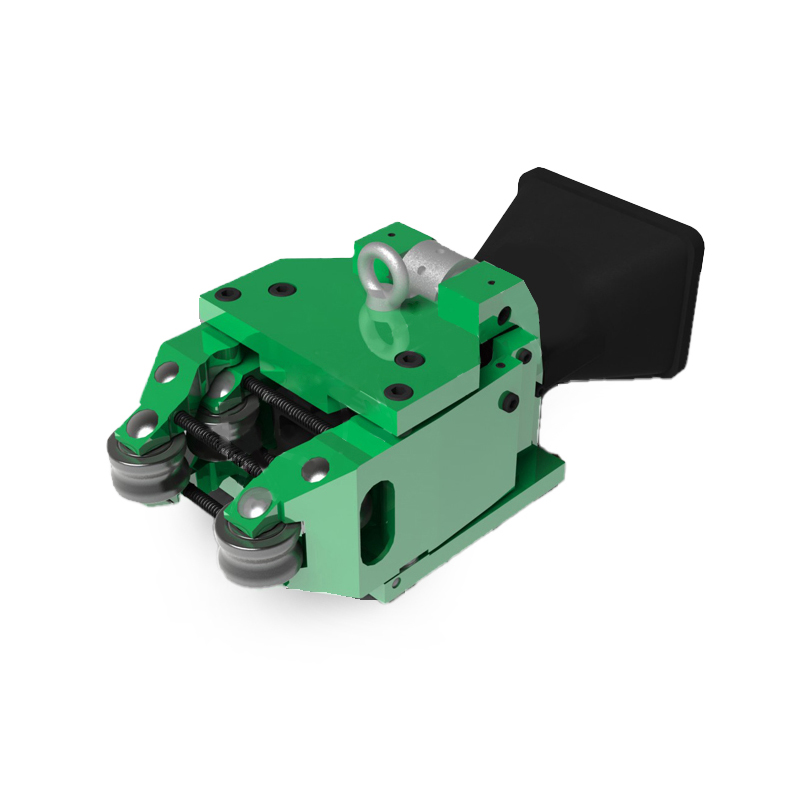



Video
factory video
factory video
factory video
Rolling multi-line exit guide
Send your inquiry to this supplier
You may also be interested in
- EXPORT AND IMPORT
- Import and Export Agents
- Import And Export Fish
- import and export license
- Import and Export service
- Export Import
- import export
- import and export agency
- Clothing Import And Export
- import and export agent
- import and export trade
- steel export import
- morcent import export
- optical export import
- project import export
Product Categories



Product Alert
Subscribe to your interested keywords. We will send freely the latest and hottest products to your Inbox. Don't miss any trade information.
Your use of this website constitutes acknowledgement and acceptance of our Terms & Conditions.
Copyright ? 2009-2026 Bossgoo Co., Ltd. All rights reserved.
