
Search

Sign In Join Free


1 / 1
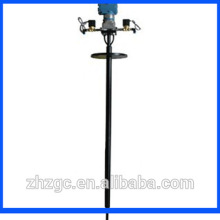
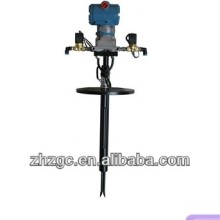
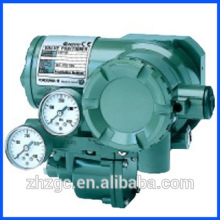
Vibrating Fork type Liquid Level Switch
Get Latest Price
You might also like




Basic Info
| Model No. | 2120 |
|---|---|
| Brand Name | Rosemount |
Product description
Rosemount 2120 Vibrating Fork Liquid Level Switch Switch Overview
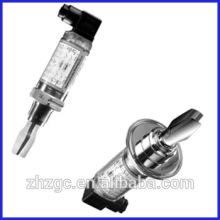
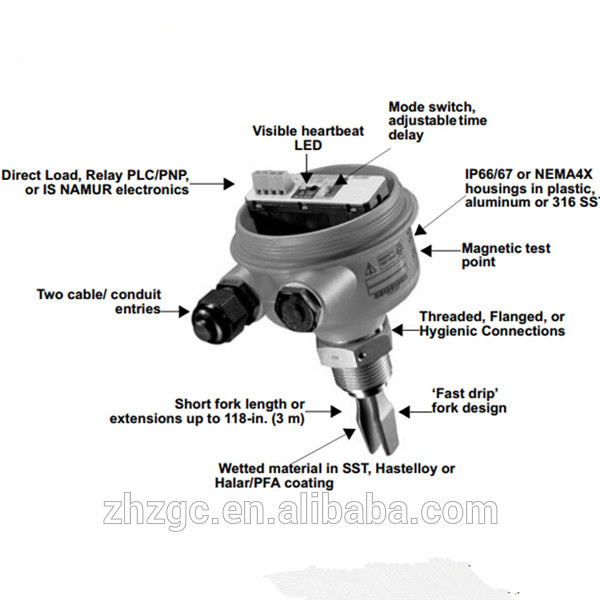
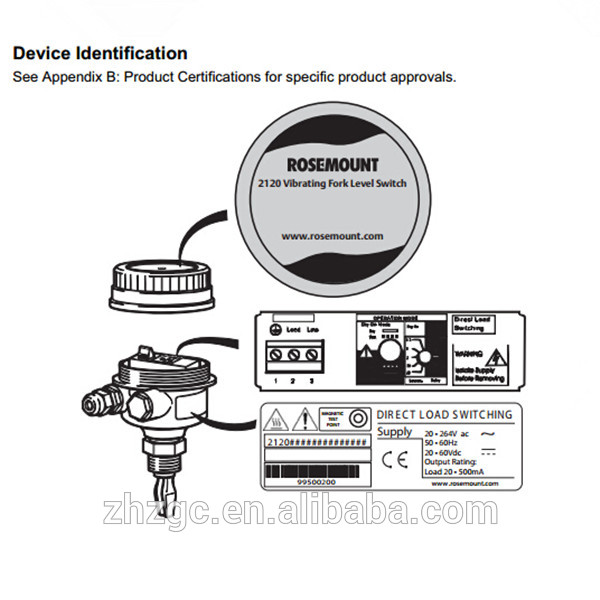
The Rosemount 2120 is a liquid point level switch based on the vibrating short fork technology making it suitable for virtually all liquid applications. Complete range of process connections, wide choice of housing and wetted parts materials, four different switching functions, extended fork lengths, hazardous area and overfill approvals makes it configurable to almost all requirements. ?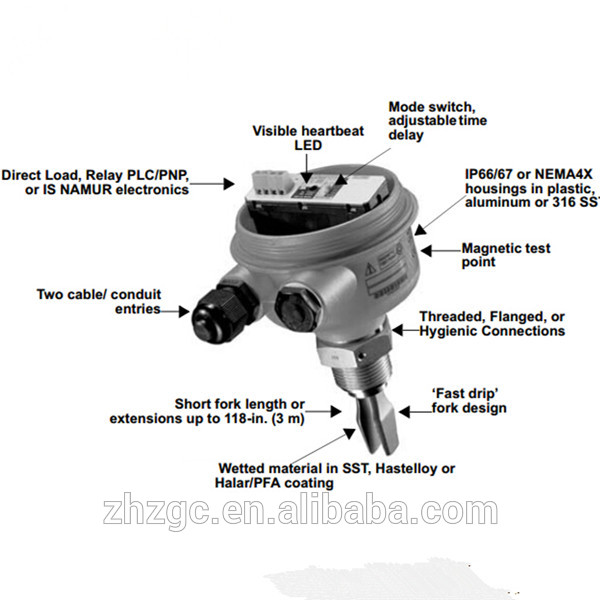 Short Fork Technology
The natural frequency (~1300Hz) of the fork is chosen to avoid interference from plant vibration which may cause false switching. This also gives short fork length for minimal intrusion into vessel and pipe. Using Short Fork Technology, the Rosemount 2120 is designed for use in virtually all liquid applications. Extensive research has maximized the operational effectiveness of the fork design making it suitable for almost all liquids, including coating liquids (avoid bridging of forks), aerated liquids, and slurries.
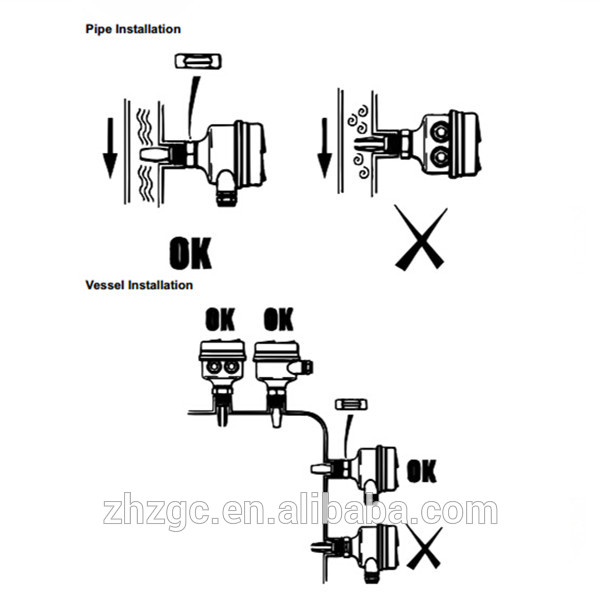
Rosemount 2120 Application and Mounting Examples
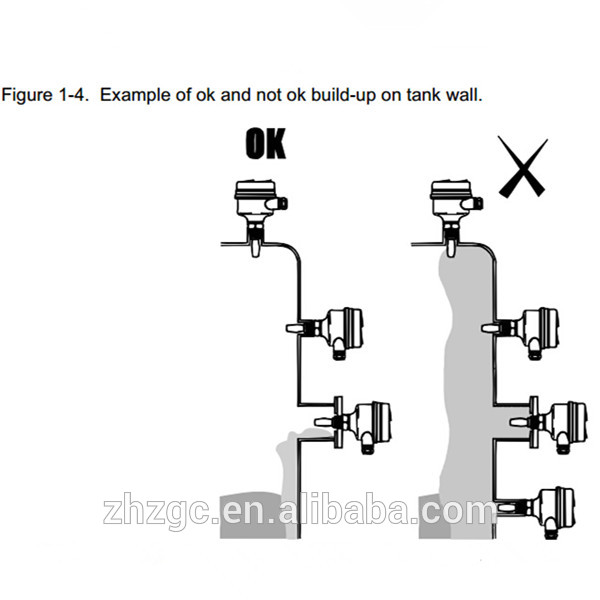
For most liquids including coating and aerated liquids and slurries, the function is virtually unaffected by flow, turbulence, bubbles, foam, vibration, solid particles, build-up (avoid bridging of forks) or properties of the liquid. For use in Hazardous (IS or Exd) or safe area and process temperatures up to 302°F (150°C).Mount in any position in the tank or pipe. Mounting is by a wide range of threaded, flanged, or hygienic connection. ? Application Considerations:
? Ensure liquid is inside the temperature and pressure ranges (see specifications).
? Check that the liquid is inside recommended viscosity range 0.2 to 10,000 cP.
? Examples of products with too high of viscosity are chocolate syrup, ketchup, peanut butter and bitumen. The switch will still detect these products but the drain time can be very long.
? Check that the liquid density is above 37.5 lb/ft?3(600 kg/m3).
? Examples of products with too low of density are acetone, pentane and hexane.
? Check for risk of build-up on the forks.
? Avoid situations where drying and coating products may create excessive build-up.
? Ensure no risk of bridging the forks.
? If coating, bridging may occur ensure the Halar/PFA coated version is used to reduce the risk of build-up.
? Examples of products that can create bridging of forks are dense paper slurries and bitumen.
? Check the solids content in the liquid.
? Problems may occur if product coats and dries causing caking.
? As a guideline maximum solid particle diameter in the liquid is 0.2-in. (5 mm).
? Extra consideration is needed when dealing with particles bigger than 0.2-in. (5 mm), consult factory.
? Foam
? In almost all cases the 2120 is insensitive to foams (do not see the foam as a liquid).
? However in rare occasions some very dense foams may be seen as liquid, known example of this is found in ice-cream and orange juice manufacturing. ?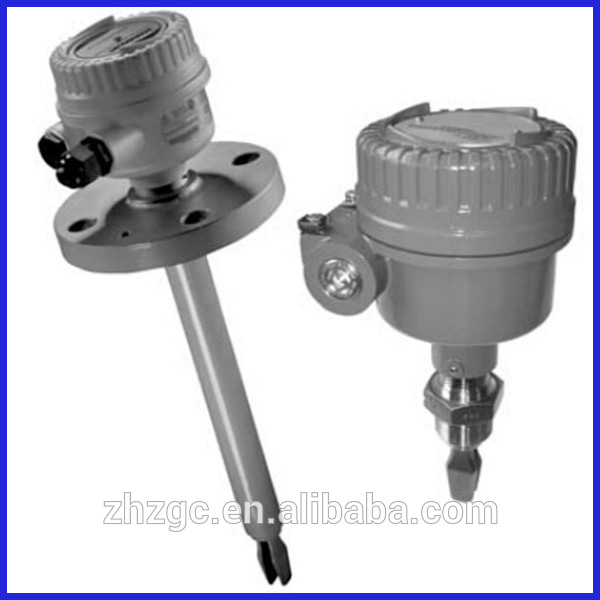
 ? Annie Sales Manager Beijing Zhongzhiguochuang Automation Equipment Co.,ltd? ? Tel:+86-10-52900365 Fax:+86-10-82561707 Mobile:+86-18600678435 ? ? Skype:huoshouyan678
The Rosemount 2120 is a liquid point level switch based on the vibrating short fork technology making it suitable for virtually all liquid applications. Complete range of process connections, wide choice of housing and wetted parts materials, four different switching functions, extended fork lengths, hazardous area and overfill approvals makes it configurable to almost all requirements. ?
Short Fork TechnologyThe natural frequency (~1300Hz) of the fork is chosen to avoid interference from plant vibration which may cause false switching. This also gives short fork length for minimal intrusion into vessel and pipe. Using Short Fork Technology, the Rosemount 2120 is designed for use in virtually all liquid applications. Extensive research has maximized the operational effectiveness of the fork design making it suitable for almost all liquids, including coating liquids (avoid bridging of forks), aerated liquids, and slurries.
Rosemount 2120 Application and Mounting Examples
For most liquids including coating and aerated liquids and slurries, the function is virtually unaffected by flow, turbulence, bubbles, foam, vibration, solid particles, build-up (avoid bridging of forks) or properties of the liquid. For use in Hazardous (IS or Exd) or safe area and process temperatures up to 302°F (150°C).Mount in any position in the tank or pipe. Mounting is by a wide range of threaded, flanged, or hygienic connection. ? Application Considerations:
? Ensure liquid is inside the temperature and pressure ranges (see specifications).
? Check that the liquid is inside recommended viscosity range 0.2 to 10,000 cP.
? Examples of products with too high of viscosity are chocolate syrup, ketchup, peanut butter and bitumen. The switch will still detect these products but the drain time can be very long.
? Check that the liquid density is above 37.5 lb/ft?3(600 kg/m3).
? Examples of products with too low of density are acetone, pentane and hexane.
? Check for risk of build-up on the forks.
? Avoid situations where drying and coating products may create excessive build-up.
? Ensure no risk of bridging the forks.
? If coating, bridging may occur ensure the Halar/PFA coated version is used to reduce the risk of build-up.
? Examples of products that can create bridging of forks are dense paper slurries and bitumen.
? Check the solids content in the liquid.
? Problems may occur if product coats and dries causing caking.
? As a guideline maximum solid particle diameter in the liquid is 0.2-in. (5 mm).
? Extra consideration is needed when dealing with particles bigger than 0.2-in. (5 mm), consult factory.
? Foam
? In almost all cases the 2120 is insensitive to foams (do not see the foam as a liquid).
? However in rare occasions some very dense foams may be seen as liquid, known example of this is found in ice-cream and orange juice manufacturing. ?
? Annie Sales Manager Beijing Zhongzhiguochuang Automation Equipment Co.,ltd? ? Tel:+86-10-52900365 Fax:+86-10-82561707 Mobile:+86-18600678435 ? ? Skype:huoshouyan678 Vibrating Fork type Liquid Level Switch
Get Latest Price
Send your inquiry to this supplier
You may also be interested in
Product Categories
New products


Send Inquiry
Product Alert
Subscribe to your interested keywords. We will send freely the latest and hottest products to your Inbox. Don't miss any trade information.
Subscribe
Your use of this website constitutes acknowledgement and acceptance of our Terms & Conditions.
Copyright ? 2009-2026 Bossgoo Co., Ltd. All rights reserved.
