
Search

Sign In Join Free
Home
Machinery
Refrigeration & Heat Exchange Equipment
Other Refrigeration & Heat Exchange Equipment


1 / 1
Air-Cooled Heat Exchanger
Get Latest Price
You might also like


Basic Info
| Brand Name | Chunjiu |
|---|
Product description
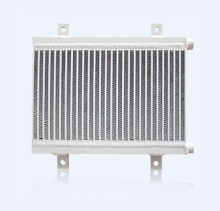
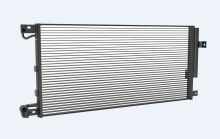
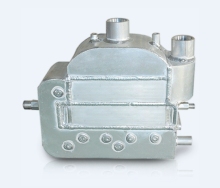
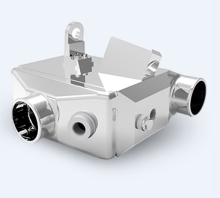
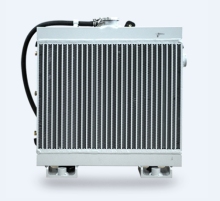
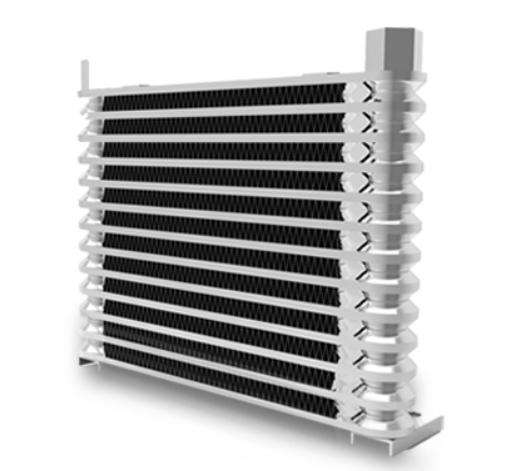
An Air-Cooled Heat Exchanger is a critical component in various industrial and mechanical systems designed to dissipate heat through the use of air as the cooling medium. Unlike water-cooled systems, air-cooled heat exchangers rely on the natural or forced circulation of air to transfer heat away from equipment, making them particularly useful in applications where water supply is limited or impractical.
?
Design and Operation
The basic design of an air-cooled heat exchanger consists of a series of finned tubes or plates through which the hot fluid flows. These tubes or plates are exposed to the ambient air, which absorbs the heat and carries it away. In many cases, fans are used to enhance the airflow, improving the efficiency of the heat transfer process. The fins increase the surface area in contact with the air, maximizing the amount of heat that can be dissipated.
?
Advantages and Applications
Air-cooled heat exchangers offer several advantages over water-cooled systems. They require no water supply, which reduces operational costs and eliminates the risk of water contamination or freezing in cold climates. Additionally, they are generally easier to install and maintain, as they do not involve complex plumbing systems. These features make air-cooled heat exchangers ideal for use in remote locations, mobile equipment, and industries such as automotive, power generation, and oil and gas.
?
Efficiency and Environmental Impact
While air-cooled heat exchangers may not be as efficient as their water-cooled counterparts in terms of heat transfer, advancements in design and materials have significantly improved their performance. Modern air-cooled systems often incorporate high-efficiency fans and optimized fin designs to maximize heat dissipation. Moreover, they are environmentally friendly, as they do not rely on water or chemical coolants, reducing the potential for environmental impact.
?
In summary, air-cooled heat exchangers provide a reliable and cost-effective solution for heat dissipation in a wide range of applications. Their simplicity, low maintenance requirements, and environmental benefits make them a preferred choice for many industries.
?


Air-Cooled Heat Exchanger
Get Latest Price
Send your inquiry to this supplier
You may also be interested in
Product Categories
New products
Send Inquiry
Product Alert
Subscribe to your interested keywords. We will send freely the latest and hottest products to your Inbox. Don't miss any trade information.
Subscribe
Your use of this website constitutes acknowledgement and acceptance of our Terms & Conditions.
Copyright ? 2009-2026 Bossgoo Co., Ltd. All rights reserved.
版權(quán)所有 ? 寧波全貿(mào)信息技術(shù)有限公司 浙ICP備12012821號-1 浙B2-20200628
