
Search

Sign In Join Free



Video
1 / 6
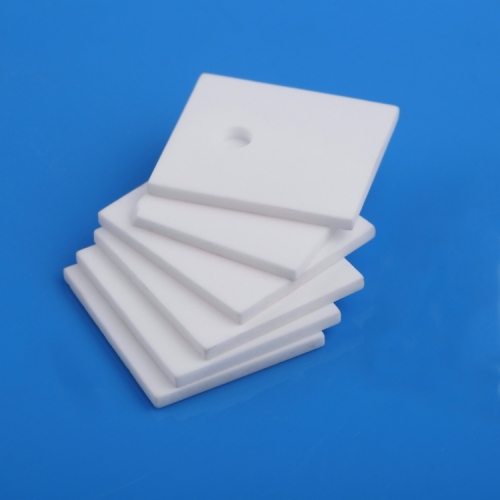
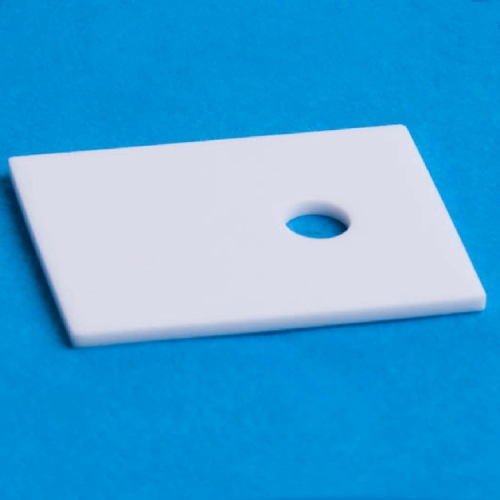
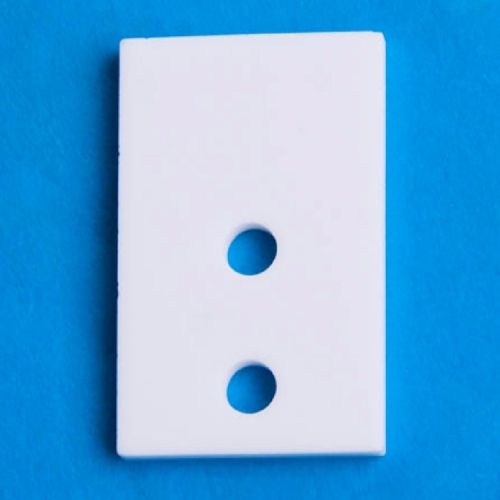
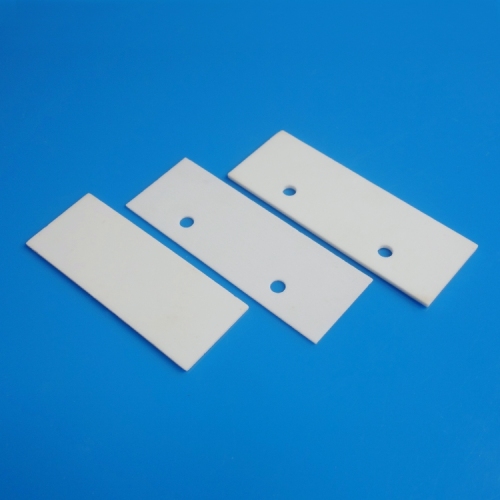
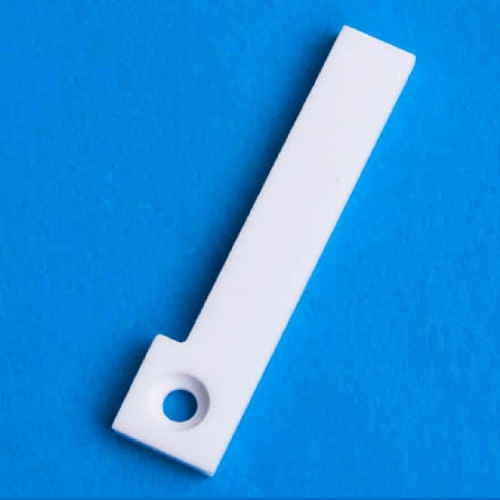
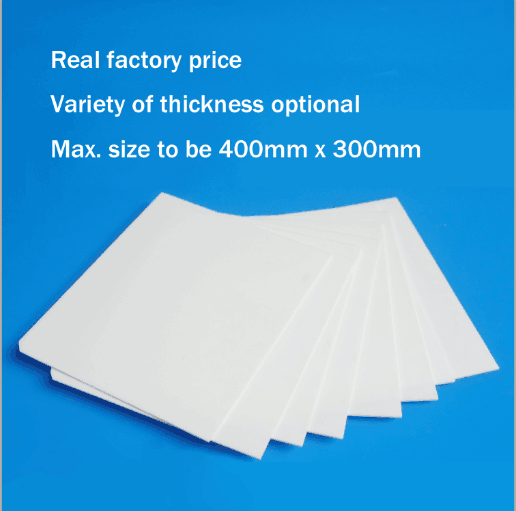
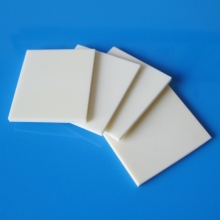
Alumina Ceramic Thermal Pads for Power Semiconductor Devices
$0.10
~ $5.00
/ Piece/Pieces
Get Latest Price
You might also like

Basic Info
| Model No. | Customized |
|---|---|
| Brand Name | Jinghui |
| place of origin | China |
| application | Industrial Ceramic |
| material | Alumina Ceramic |
| Color | White |
| species | Ceramic Plates |
Show More
Product description
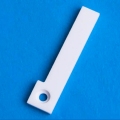
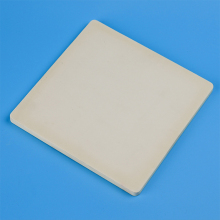
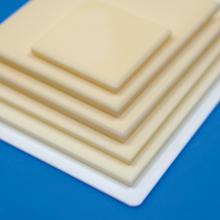
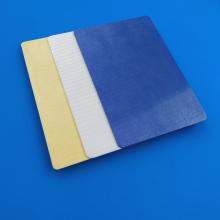
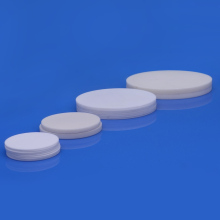
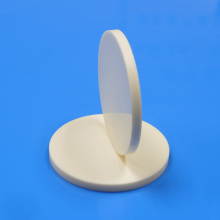
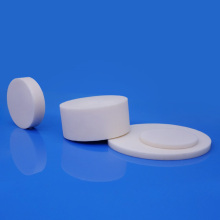
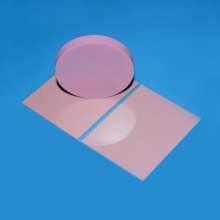
Alumina Ceramic Thermal Pads for Power Semiconductor Devices
?
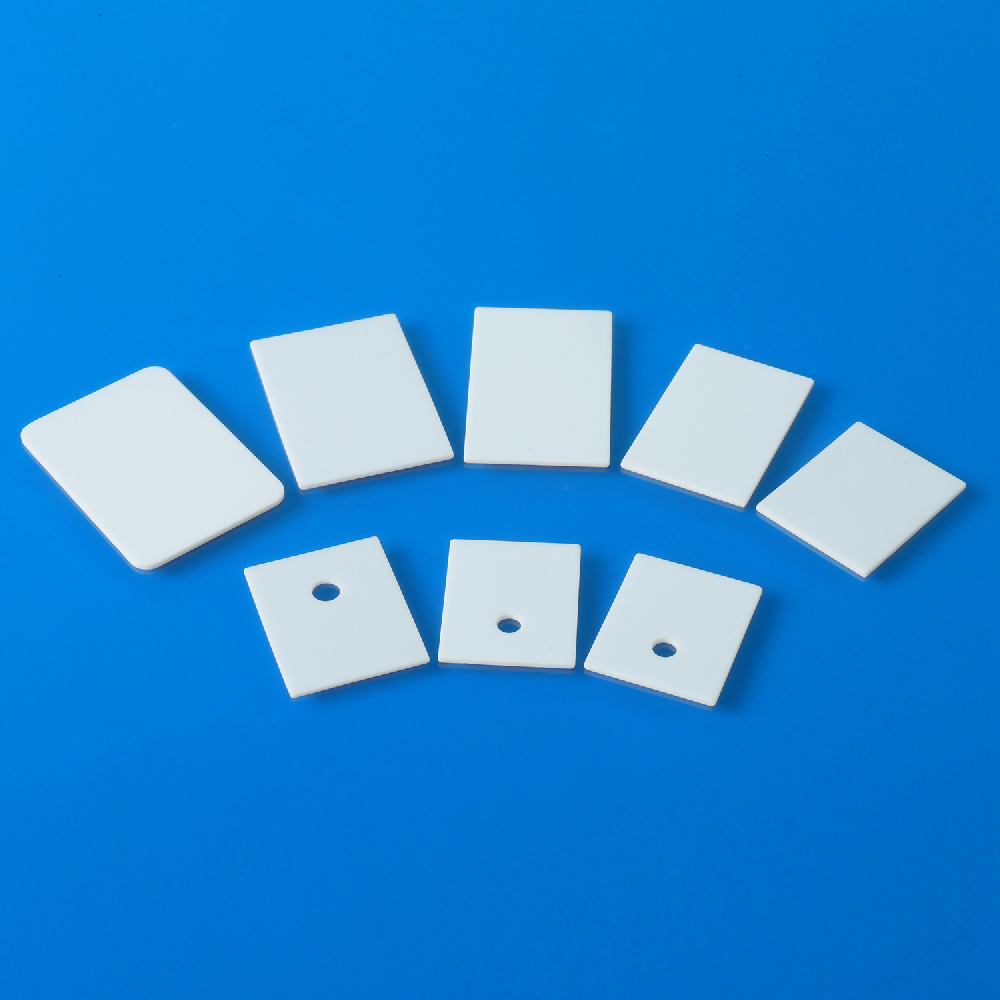
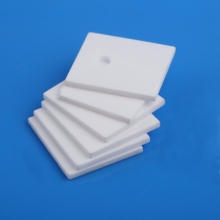
Alumina ceramic thermal pad is a high-performance industrial ceramic plate, mainly used between power semiconductor devices (such as MOSFETs and IGBTs) and heat sinks. Its core function is to both conduct heat and insulate it, efficiently transferring heat generated by the chip to the heat sink while ensuring electrical isolation between the device and the heat sink (usually grounded), preventing short circuits.
?
Key Features and Advantages
?
1. Excellent Insulation Performance
With high dielectric strength and volume resistivity, it can effectively withstand the high potential difference between power devices and heat sinks, ensuring system safety.
?
2. Excellent Thermal Conductivity
The thermal conductivity of alumina ceramic is typically between 20-30 W/(m·K). This is significantly higher than that of common silicone thermal pads (approximately 0.8-5 W/(m·K)), effectively conducting heat and reducing the chip's operating junction temperature.
?
3. High Hardness and Mechanical Strength
The ceramic material itself is very hard and resists deformation or tearing under the pressure of bolt tightening. It provides uniform contact pressure and a stable insulation thickness.
?
4. High Temperature Resistance
It can operate in high-temperature environments (typically up to hundreds of degrees) for long periods of time without performance degradation, making it ideal for high-temperature applications in power devices.
?
5. Anti-aging and Long Life
Inorganic ceramic materials are not susceptible to aging, oil production, or cracking like organic silicones, resulting in a very long service life.
?
?
Structure and Common Forms
?
1. Single-Sided Adhesive Type
One side of the ceramic sheet is coated with thermally conductive silicone or thermally conductive pressure-sensitive adhesive. This side is attached to the heat sink, secured in place by the adhesive's stickiness; the other side (the ceramic side) contacts the power device.
?
2. Double-Sided Adhesive Type
Both sides of the ceramic sheet are coated with thermally conductive adhesive. One side is attached to the device, and the other to the heat sink, making installation very convenient.
?
3. Adhesive-Free Type
Contains only the ceramic sheet and requires thermal grease to secure it when tightening the screws.
?
Comparison with Common Alternatives
?
| Features | Alumina Ceramic Thermal Pad | Ordinary Silicone Thermal Pad | Thermal Insulating Silicone Grease + Mica Sheet |
| Thermal conductivity | Excellent (20-30 W/mK) | Medium/Poor (0.8-5 W/mK) | Medium (depends on silicone grease, mica itself is poor) |
| Insulation | Excellent | Good | Good |
| Mechanical strength | High, no deformation | Soft, easy to compress and deform | Mica sheets are fragile |
| Installation Ease | Good (Easy to install with adhesive) | Excellent (Very soft and adheres well) | Poor (Requires silicone grease and can get dirty easily) |
| Long-term reliability | Excellent, no aging or oiling. | Average, may oil and age over a long period of time. | Average, silicone grease may dry up. |
| Cost | Relatively high | Low | Very low |
Company Profile
Established in 2008, Jinghui Industry Ltd. View More
Workshop


Video
Technical Ceramic Plates
Technical Ceramic Plates
Technical Ceramic Plates
Alumina Ceramic Thermal Pads for Power Semiconductor Devices
$0.10
~ $5.00
/ Piece/Pieces
Get Latest Price
Send your inquiry to this supplier
You may also be interested in
Product Categories
New products
Send Inquiry
Product Alert
Subscribe to your interested keywords. We will send freely the latest and hottest products to your Inbox. Don't miss any trade information.
Subscribe
Your use of this website constitutes acknowledgement and acceptance of our Terms & Conditions.
Copyright ? 2009-2026 Bossgoo Co., Ltd. All rights reserved.
版權(quán)所有 ? 寧波全貿(mào)信息技術(shù)有限公司 浙ICP備12012821號-1 浙B2-20200628
