
Search

Sign In Join Free

1 / 1
Anionic Polyacrylamide
Get Latest Price
You might also like



Basic Info
Product description
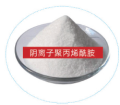
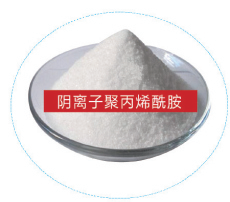
Anionic Polyacrylamide for Industrial Wastewater Treatment is the ultimate flocculation booster that turns murky, hard-to-settle wastewater into crystal-clear effluent. This Anionic Polyacrylamide (APAM) is a high-molecular-weight flocculant specifically engineered for industrial and municipal wastewater treatment. It works in perfect synergy with all common coagulants to dramatically accelerate sedimentation and improve solid-liquid separation, making it an essential tool for any water treatment operation.
?
I. Product Overview
?
Anionic polyacrylamide series are water-soluble linear high-molecular polymers synthesized with high degree of polymerization. They are readily soluble in water and almost insoluble in common organic solvents such as benzene, ether, lipids and acetone. They possess valuable properties including flocculation, thickening, shear resistance, drag reduction and dispersibility, and are widely used in oil extraction, mineral processing, coal washing, metallurgy, chemical industry, papermaking, textile, sugar refining, pharmaceuticals, environmental protection, building materials, agriculture and many other industries.
?
The core advantages of this high-efficiency Anionic Polyacrylamide are unmatched. It forms extremely strong, dense flocs that settle 2-3 times faster than ordinary flocculants, significantly reducing treatment cycle times and increasing plant throughput. It excels at capturing ultra-fine suspended particles that coagulants alone cannot remove, resulting in superior effluent clarity. It operates reliably across a wide pH range (4.0 to 11.0) and is fully compatible with all standard coagulants including PAC, PFS and aluminum sulfate.
?
This APAM works by a unique bridging mechanism: its long polymer chains attach to multiple suspended particles simultaneously, pulling them together into large, heavy aggregates that settle rapidly. Unlike coagulants that only neutralize charges, it physically binds particles together, creating flocs that are much more resistant to breakage during pumping and agitation. Our high-purity formulation ensures consistent performance batch after batch, with no residual impurities that could affect water quality.
?
II. Product Applications
?
- Industrial Wastewater Treatment: Most effective for wastewater with large suspended particles, high concentration, positive charge, and neutral or alkaline pH. Particularly suitable for wastewater from steel plants, electroplating plants, metallurgical plants and coal washing plants.
- Drinking Water Treatment: Used for purification of water from rivers and reservoirs. The dosage is only 1/50 of inorganic flocculants, but the effect is several times or even dozens of times better, greatly reducing sludge volume. For water with severe organic pollution, better results are achieved when used in combination with cationic polyacrylamide.
- Drilling Mud Additive: Used as an additive in drilling mud for oilfield, geological, water conservancy and coal seam exploration. It extends bit life, increases drilling speed and footage, reduces drilling blockages and has significant anti-collapse effects. It can also be used as fracturing fluid and water shutoff agent for profile control in oilfields.
- Enhanced Oil Recovery (EOR) Agent: Adjusts the rheology of injected water, increases the viscosity of displacing fluid, improves water sweep efficiency and reduces water phase permeability in formations. Approximately 100-150 tons of crude oil can be additionally produced per ton of high-molecular polyacrylamide injected.
- Papermaking Additives: Used as caustic soda clarifier, retention aid, drainage aid, and dry and wet strength enhancer for paper in the papermaking industry.
- Sugar Refining Industry: Used as sugar juice clarifier to improve sugar production efficiency and product quality.
- Aquaculture: Used as additive and binder in aquatic feed to improve feed utilization rate and fry survival rate.
?
This versatile flocculant is indispensable for industries with high-solid wastewater. In mining and coal washing plants, it efficiently separates fine ore particles and coal slimes from water, allowing for water recycling and valuable material recovery. In papermaking mills, it improves sludge dewatering efficiency and reduces fiber loss.
?
Our industrial customers consistently report transformative results after switching to our APAM. Most saw a 30-50% reduction in sedimentation time and a significant improvement in effluent quality. Many also noted that it reduced their overall chemical usage by 20-30% when used in combination with coagulants. Operators appreciate its ease of use and consistent performance, which eliminates the need for constant process adjustments.
?
Just a quick practical note: APAM solutions lose their effectiveness over time once diluted. Always prepare fresh solutions daily and avoid storing diluted solutions for more than 24 hours. This is a common property of polyacrylamide polymers and is not a defect in the product.
?
III. Packaging & Storage
?
- Double-layer packaging with inner polyethylene blown film and outer polypropylene woven bag, standard specification 25kg per bag. Custom packaging available upon customer request
- Shelf life: 2 years when stored properly
- Protect from heat and moisture during storage and transportation. Dry powder products will absorb moisture and cake if exposed to air for long periods
- Stacking height must not exceed 20 layers
- Store in a cool, dry, well-ventilated place away from direct sunlight. Do not store near strong oxidizing agents
?
In conclusion, this high-performance Anionic Polyacrylamide is the most reliable solution for improving solid-liquid separation in industrial wastewater treatment. It delivers faster settling, clearer effluent and lower overall operational costs. With a proven track record across dozens of industries worldwide, it is the trusted choice for water treatment operators who demand consistent, high-quality results
?
Kunming Mingzhu Environmental Protection Technology Co., Ltd.
- 0yrs


China
- Manufacturer
Anionic Polyacrylamide
Get Latest Price
Send your inquiry to this supplier
You may also be interested in
- industrial wastewater treatment
- Industrial Wastewater Treatment Plant
- Wastewater Treatment
- industrial wastewater
- water treatment polyacrylamide
- wastewater treatment carbon
- wastewater treatment packing
- wastewater treatment supplies
- wastewater treatment chemical
- wastewater treatment products
- wastewater treatment system
- Wastewater Treatment Package
- Wastewater Treatment Systems
- wastewater treatment tank
- Wastewater Treatment Chemicals
Product Categories
New products

Send Inquiry
Product Alert
Subscribe to your interested keywords. We will send freely the latest and hottest products to your Inbox. Don't miss any trade information.
Subscribe
Your use of this website constitutes acknowledgement and acceptance of our Terms & Conditions.
Copyright ? 2009-2026 Bossgoo Co., Ltd. All rights reserved.
