
Search

Sign In Join Free





Video
1 / 6
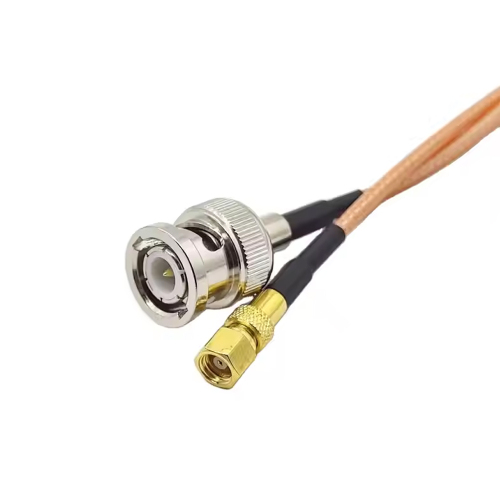
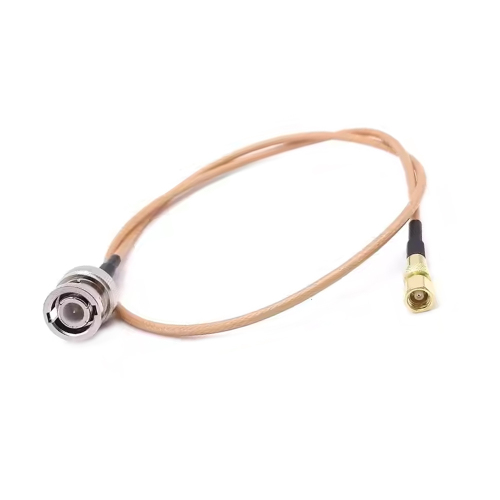
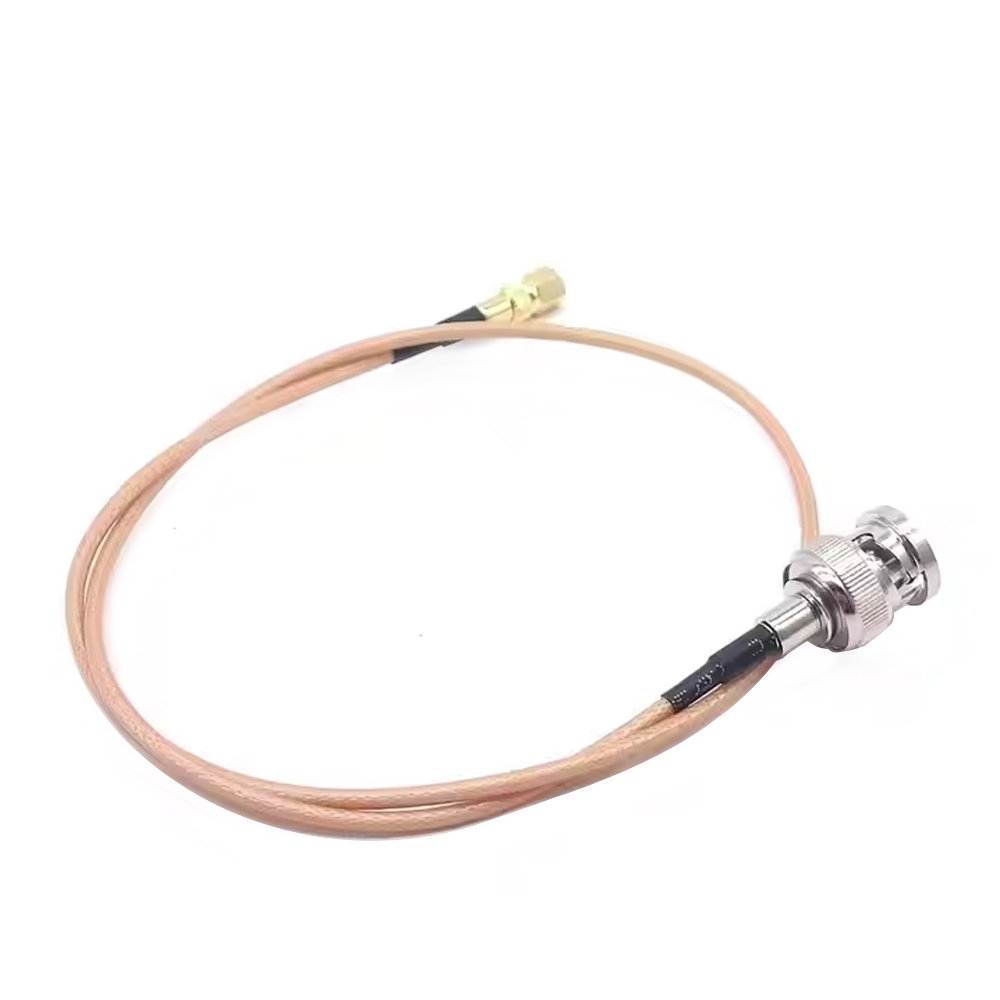
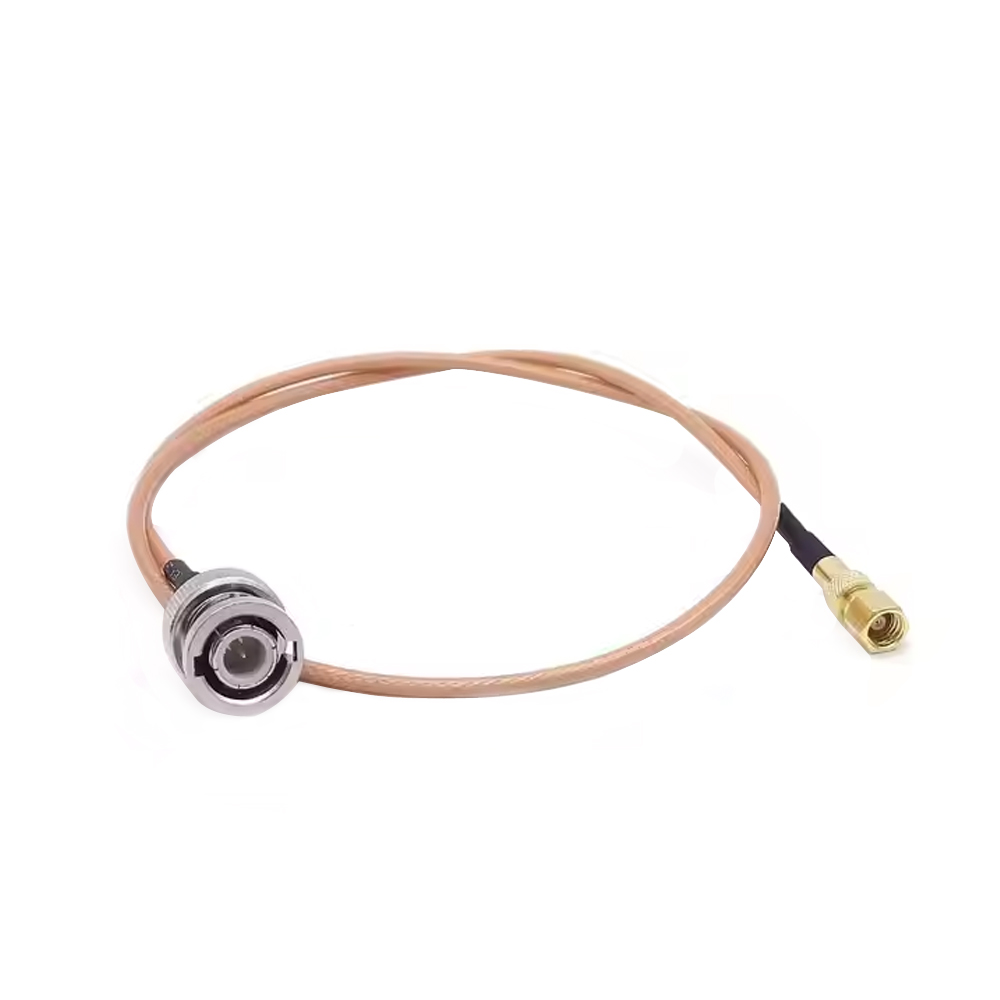
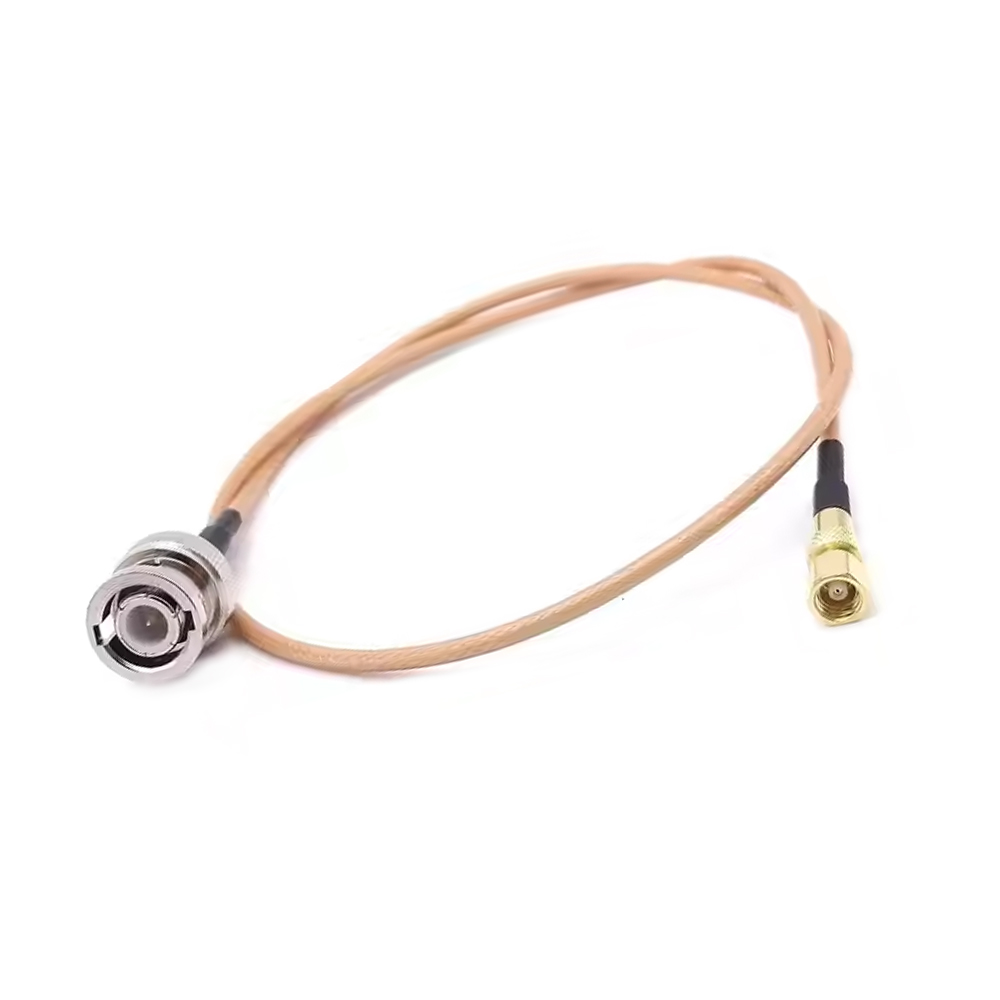
Efficient RF Antenna Cable Solution for WiFi Networks
$1.48
~ $2.36
/ Piece/Pieces
Options:
- Length of cable: 350mm
- Custom
Get Latest Price
You might also like


Basic Info
| Model No. | QL250425 |
|---|---|
| Brand Name | QLXS or OEM |
| place of origin | China |
| application | Electronic, Computer, Automobile, Home Appliance, Motorcycle |
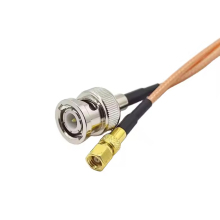
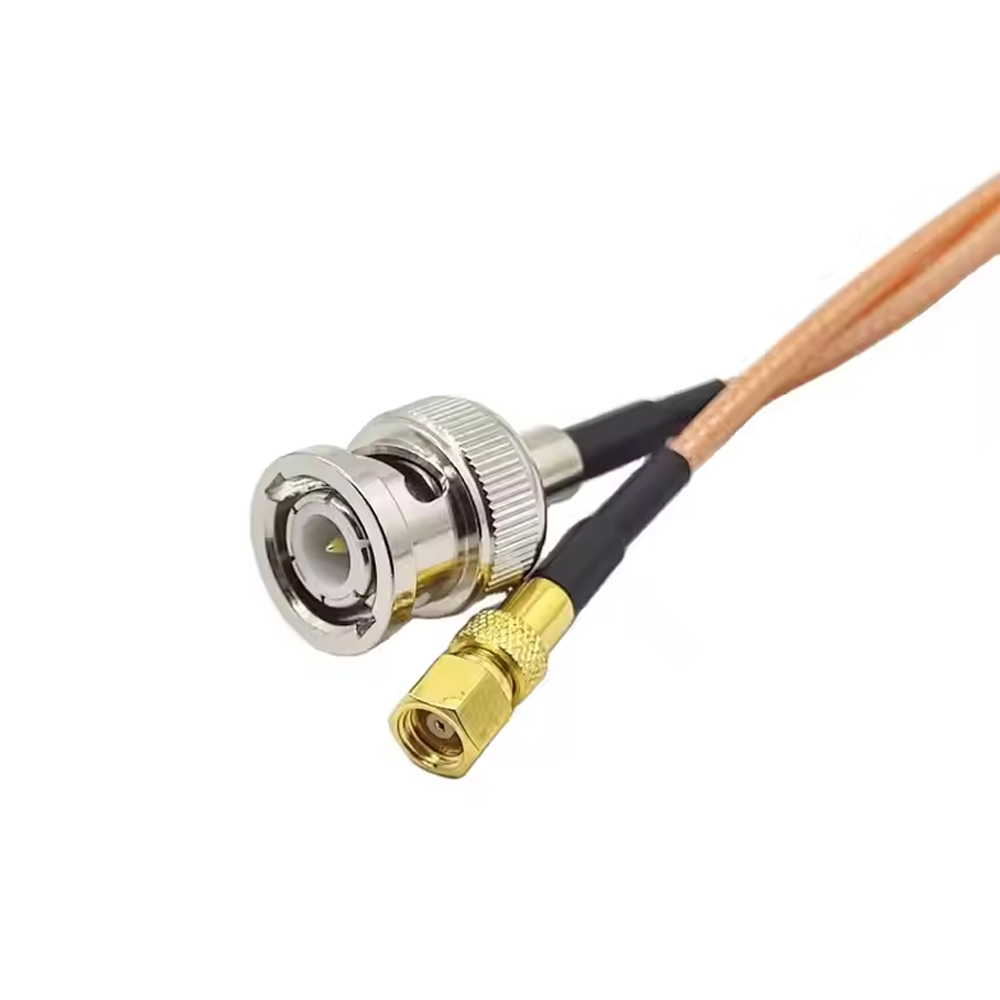
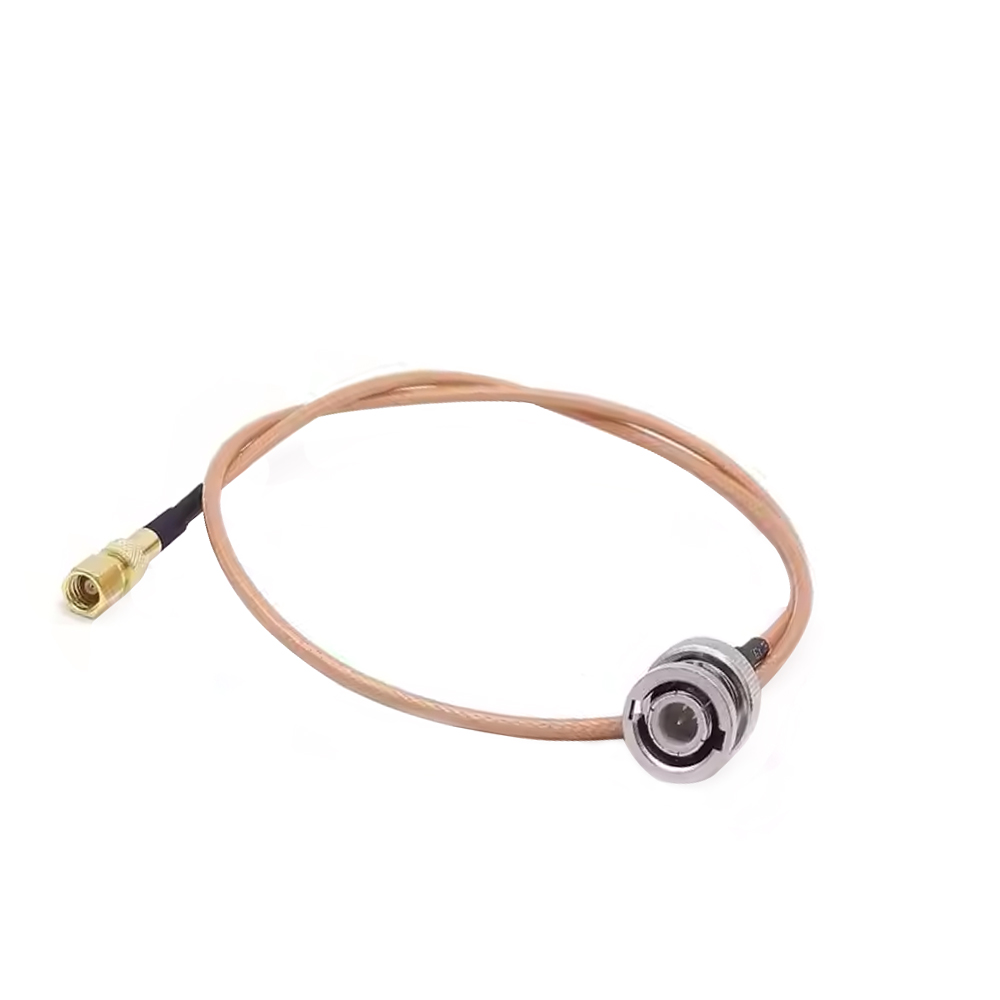
| Cable | RG316 coaxial cable |
| Connector 1 | BNC plug connector |
| Connector 2 | SMC connector |
Product description
The shielding effect of rf cable is one of their core design features, mainly achieved through the following technologies:
?
Multi-layer shielding structure ?: A typical RF signal cable combines concentric conductor layers with an external metal braided layer. The inner conductor transmits signals, while the outer braided layer achieves double shielding protection by reflecting or absorbing external electromagnetic interference 34. For example, the RG-142 cable adopts aluminum foil wrapping and tin-plated copper braided layer, which can suppress high-frequency signal leakage and reduce environmental noise interference.
?
Material and Process optimization ?: Highly conductive metals such as copper or silver-plated copper are often used in shielding layers to improve electromagnetic compatibility (EMC). Some high-end cables also enhance their protection against multi-band interference through double-layer or even triple-layer shielding structures.
?
Connector shielding design ?: The metal housing of RF connector with coaxial audio cable(such as BNC, UHF) is in close contact with the cable shielding layer to form a continuous conductive path, avoiding the "gap effect" in signal transmission 4. The crimping or welding process further ensures the shielding integrity of the end contact points.
Compared with ordinary coaxial cables (such as audio cables), RF cables have more prominent shielding effectiveness. Especially in high-frequency scenarios above 1 GHz, they can reduce the signal attenuation rate to less than 0.1 dB/m, making them suitable for harsh electromagnetic environments such as satellite communications and radar.?
Looking for your signal cable or your electric harness? Contact us.
?


Video
wire harness factory video
wire harness factory video
wire harness factory video
Efficient RF Antenna Cable Solution for WiFi Networks
$1.48
~ $2.36
/ Piece/Pieces
Options:
- Length of cable: 350mm
- Custom
Get Latest Price
Send your inquiry to this supplier
You may also be interested in
Product Categories
New products




Send Inquiry
Product Alert
Subscribe to your interested keywords. We will send freely the latest and hottest products to your Inbox. Don't miss any trade information.
Subscribe
Your use of this website constitutes acknowledgement and acceptance of our Terms & Conditions.
Copyright ? 2009-2026 Bossgoo Co., Ltd. All rights reserved.
