
Search

Sign In Join Free


1 / 3
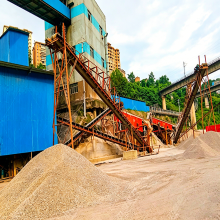
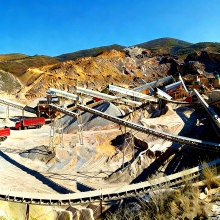
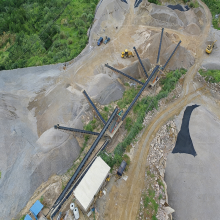
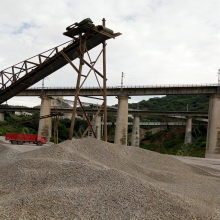
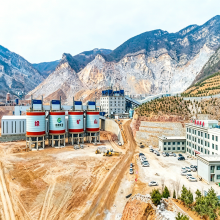
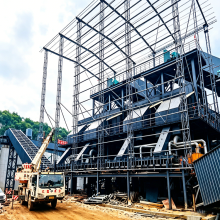
Efficient River Stone Processing Plant Setup
Get Latest Price
You might also like



Basic Info
| Brand Name | Zhongyu Dingli |
|---|---|
| status | New |
| Applicable industry | Energy &Amp; Mining, Construction Works |
| Where to provide local services (in which countries are there overseas service outlets) | Russia, Indonesia |
| Video factory inspection | Provided |
| Mechanical test report | Provided |
Show More
Product description
?
300-Ton-Per-Hour River Pebble Sand-Making Production Line: Heavy Hammer Crusher + Dual-Rotor Sand-Making Machine Configuration
?
A 300-ton-per-hour river pebble sand-making production line utilizes a combination of the PCZ1512 heavy hammer crusher and the ZSJ-1215 double-rotor sand-making machine. This article outlines the equipment list, process flow diagram, cost control advantages, and practical operational experience, serving as a reference for peers in the sand and gravel industry who are currently selecting equipment.
?
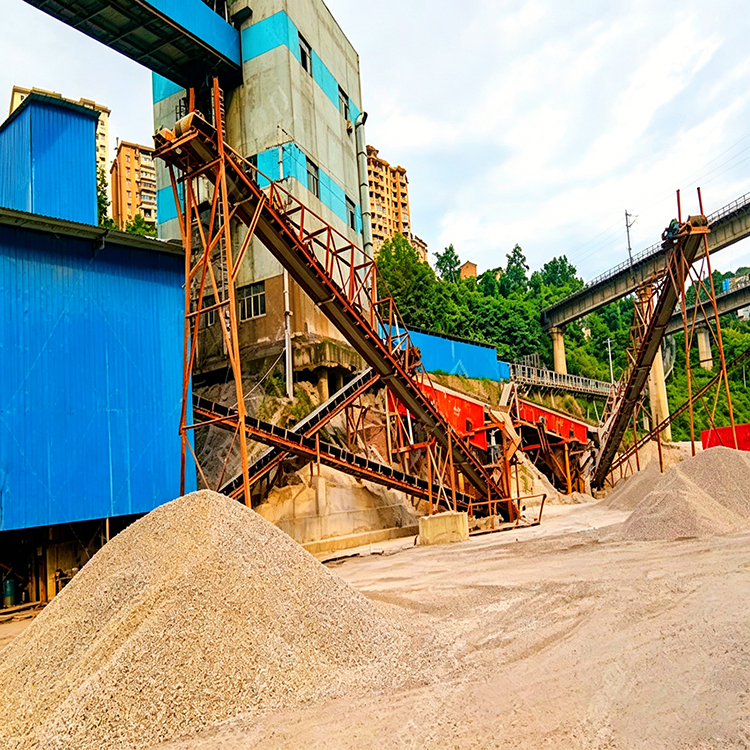
I. What Raw Material Is This Line Designed For?
?
River pebbles, which are relatively hard and highly abrasive. Many business owners worry that hammer heads won’t last long or that output won’t meet expectations when they hear “river pebbles.” This line was designed for a production capacity of 300 tons per hour and has operated very stably in practice.
?
The entire line avoids the complex configuration of “jaw crusher + cone crusher + sand maker,” opting instead for a heavy hammer crusher paired with a double-rotor sand maker. The reason is simple: fewer machines mean fewer potential failure points; a shorter process reduces investment costs.
?
II. Which Core Equipment Was Selected?
?
| Equipment Name | Model | Quantity | Hourly Output (t/h) |
|---|---|---|---|
| Vibrating Feeder | DLZGC1238 | 1 set | 250-400 |
| Heavy Hammer Crusher | PCZ1512 | 1 set | 250-320 |
| Double-Rotor Sand Making Machine | ZSJ-1215 | 1 set | 150-220 |
| Circular Vibrating Screen | 3YKZ2270 | 1 set | 240-320 |
| Circular Vibrating Screen | 3YKZ2060 | 1 set | 180-280 |
| Belt Conveyor | - | Several | - |
?
In this configuration, the twin-rotor sand-making machine is the core. What sets it apart from ordinary hammer crushers is that—with two rotors working in tandem—it accommodates a larger maximum feed size, delivers a more stable sand output rate, and allows for easy adjustment of the particle size distribution.
?
III. Process Flow (Closed-loop system, no material waste)
?
The actual operational sequence is as follows:
?
Raw river pebbles enter the PCZ1512 heavy-duty hammer crusher, where they are crushed into a mixed aggregate.
?
The mixed aggregate is fed into the first circular vibrating screen (3YKZ2270):
?
Coarser particles are sent to the ZSJ-1215 twin-rotor sand-making machine for further processing;
?
The undersize material is partially separated directly as finished gravel.
?
The sand-gravel mixture from the dual-rotor sand maker then proceeds to the second vibrating screen (3YKZ2060):
?
Coarse particles that are not fine enough are returned via a belt conveyor to the sand maker for re-crushing;
?
Qualified finished sand and gravel of different specifications are discharged into their respective stockpiles.
?
The most critical point: non-conforming material is automatically returned and does not mix with the finished product. Throughout the entire process, screening serves as two checkpoints, ensuring precise control over particle size.
?
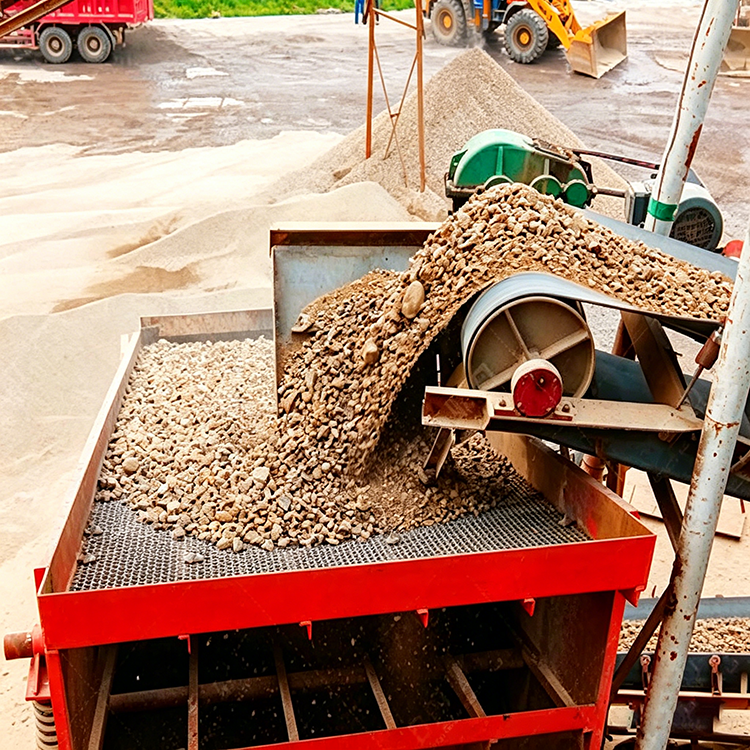
IV. Why This Solution Is More Cost-Effective
?
When processing river pebbles, many competitors’ first instinct is to use a cone crusher. However, a combination of a cone crusher and a sand-making machine results in high equipment costs and high electricity bills. This production line requires only two core crushing units:
?
The heavy-duty hammer crusher alone can replace the dual-stage function of a “jaw crusher + impact crusher”;
?
The twin-rotor sand-making machine simultaneously handles both fine crushing and sand production.
?
The result is fewer machines, a smaller footprint, and fewer conveyor belts. For projects with limited budgets that need to produce sand quickly, this approach is highly practical.
?
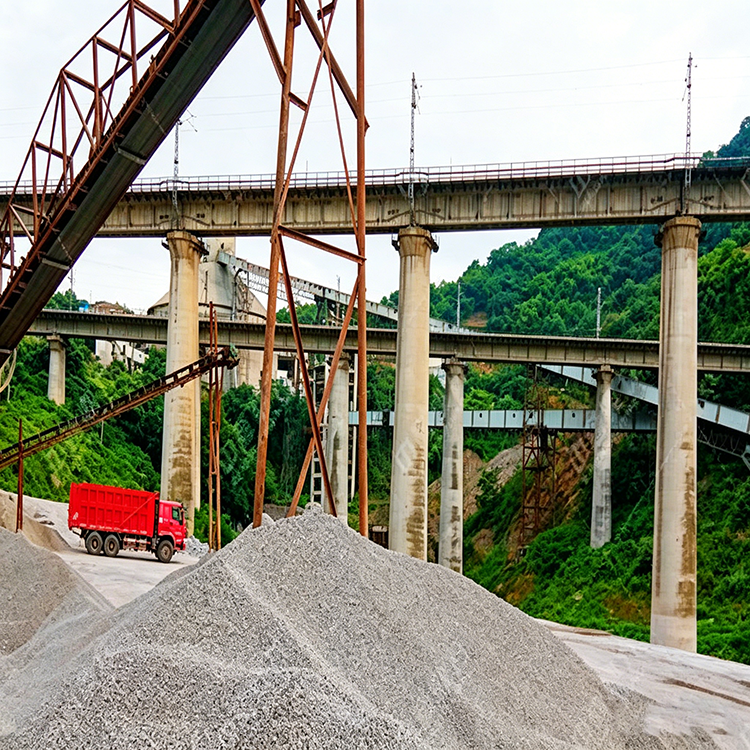
V. Key Points to Note During Actual Operation
?
Hammer Head Wear
River pebbles are hard, so even though the hammer heads are made of high-chromium alloy, they should be inspected regularly. Based on our experience, when producing medium- to fine-grained sand for construction, hammer heads typically need to be replaced every 2–3 months (depending on your daily output). We recommend keeping an extra rotor assembly on hand to avoid production downtime during replacement.
?
Screen Clogging
River pebbles have irregular shapes and are prone to getting stuck in the screen mesh. Circular vibrating screens perform better in this regard than linear screens, but if the feed material has a high clay content, it is best to add a screening or washing step at the front end.
?
Gap Between Dual Rotors
This is an aspect that is easily overlooked. The gap between the two rotors and the difference in their rotational speeds directly affect the sand yield and the content of fine aggregate. Have the manufacturer’s technicians adjust this properly before commissioning; do not attempt to adjust it yourself.
?
VI. Frequently Asked Questions (FAQ, for SEO long-tail keywords)
?
Q: Does the 300-ton-per-hour capacity refer to finished sand or the feed rate of raw material?
A: It refers to the total output of finished sand and aggregate, including sand and crushed stone of various sizes. The original moisture content of river pebbles affects feeding efficiency; we recommend allowing a 10%–15% margin during design.
?
Q: Can this line be converted to process limestone?
A: Yes, but it would be somewhat wasteful. Limestone is much softer than river pebbles, so using this equipment would result in a capacity exceeding 300 tons. Additionally, the twin-rotor sand maker tends to produce more fine powder when processing brittle materials. There are more cost-effective configurations available for limestone processing.
?
Q: Are there ways to reduce power consumption?
A: You can try lowering the rotational speed of the twin-rotor sand maker slightly, but this will reduce the sand production rate. You’ll need to find a balance between output and power consumption. We recommend running the equipment for a week using the manufacturer’s recommended parameters first, then gradually fine-tuning the settings...
?
VII. Some Practical Advice
?
If you are considering river pebbles or raw materials of similar hardness (such as cobblestones or quartzite), don’t just take the manufacturer’s word for “theoretical capacity.” The most effective approach is:
?
Request videos of equipment of the same model in operation at other sites, paying particular attention to the particle size distribution of the finished sand;
?
Ask for the exact cost of hammer head replacement per ton of material (RMB/ton); don’t just look at the equipment price;
?
Request a material balance diagram from the manufacturer under closed-circuit conditions; otherwise, the recirculation ratio may be inaccurate after production begins.
?
This 300-ton-per-hour configuration has been successfully implemented at multiple sand and gravel plants. With a compact footprint, controllable output, and moderate investment threshold, it is considered a relatively mature solution. I hope this helps those of you currently selecting equipment.
?
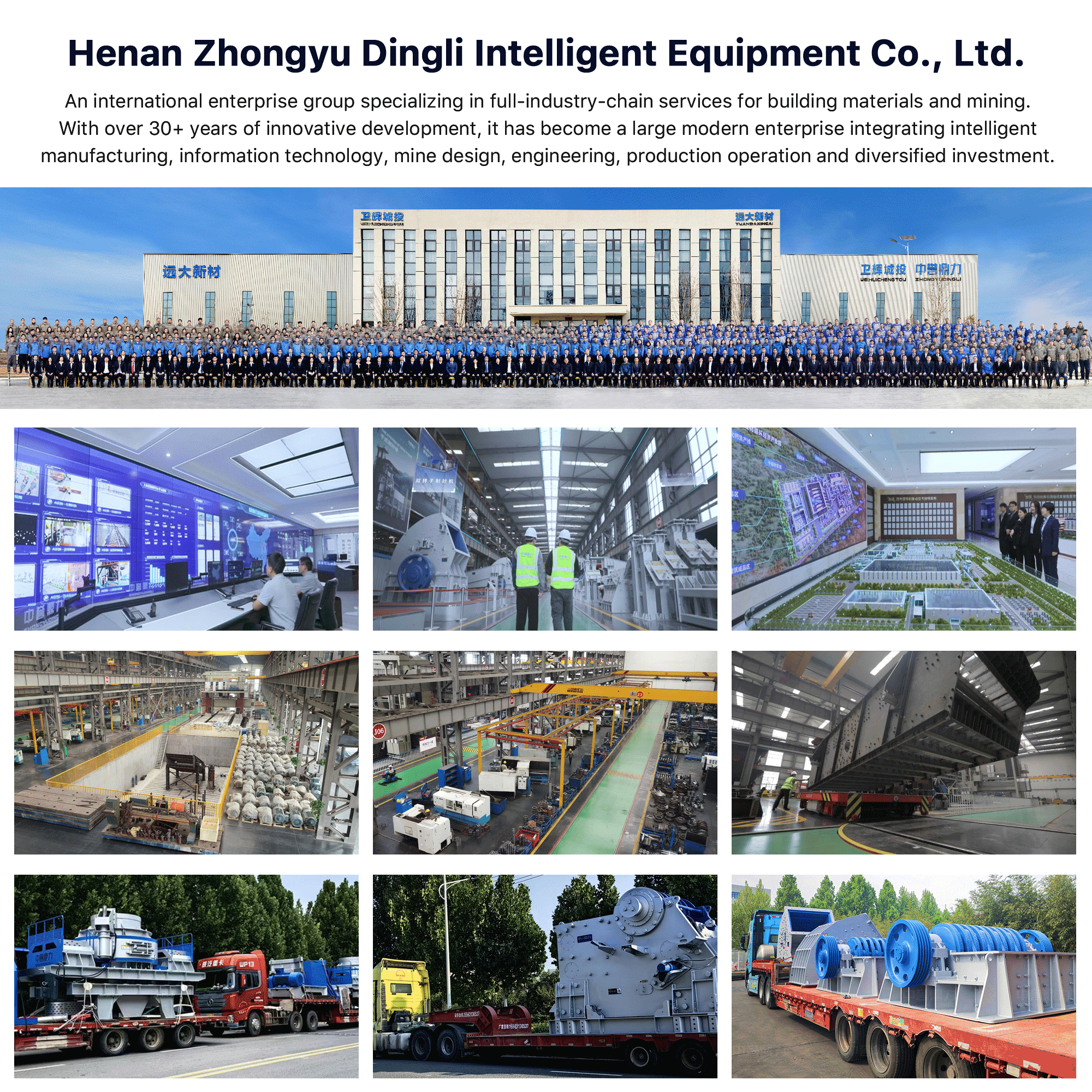
Our sand and gravel aggregate production lines boast extensive and all-round coverage, and we offer a complete range of configurations from individual standalone equipment to full turnkey production lines, including Crushing Equipment, Sand Making Equipment, Screening Equipment, Feeding Equipment, Mining Conveyor and Mobile crusher. We provide customized crushing and processing solutions for a full spectrum of materials including bluestone, limestone, basalt, granite, pebble, coal gangue, calcite, quartz stone, dolomite, iron ore, barite, diabase, tuff and high calcium limestone, as well as targeted processing solutions for kaolin. We also deliver professional crushing solutions for industrial solid wastes such as slag and tailings, and comprehensive treatment solutions for construction & demolition waste. In addition to fixed production line solutions for various materials, we also supply flexible Mobile Crawler Unit Solutions to meet diverse on-site operation needs of sand and gravel aggregate production.

Henan Zhongyu Dingli Intelligent Equipment Co., Ltd.
- 0yrs


Xinxiang,
Henan,
China
- Manufacturer
- Trade Company
Efficient River Stone Processing Plant Setup
Get Latest Price
Send your inquiry to this supplier
You may also be interested in
Product Categories
New products




Send Inquiry
Product Alert
Subscribe to your interested keywords. We will send freely the latest and hottest products to your Inbox. Don't miss any trade information.
Subscribe
Your use of this website constitutes acknowledgement and acceptance of our Terms & Conditions.
Copyright ? 2009-2026 Bossgoo Co., Ltd. All rights reserved.
