
Search

Sign In Join Free





Video
1 / 4
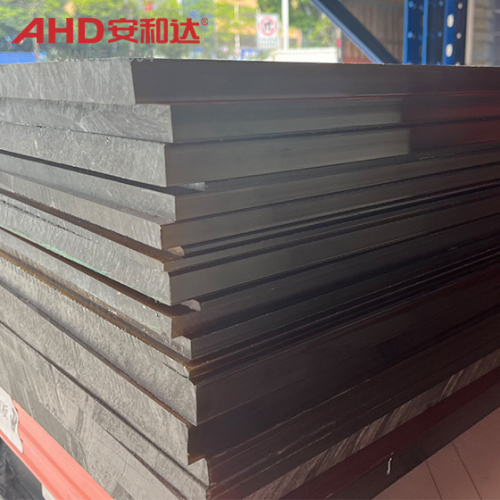
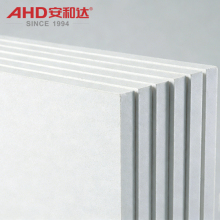
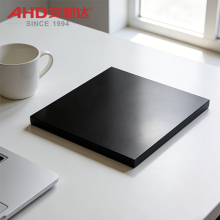
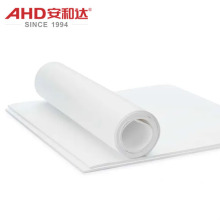
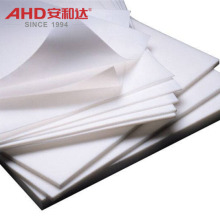
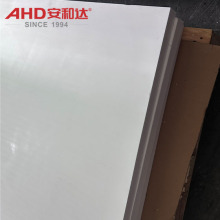
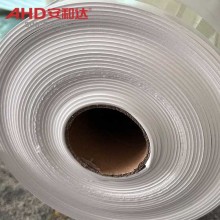
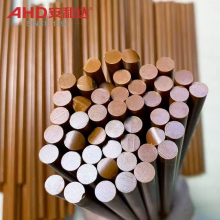
ESD PTFE Sheet Material
Get Latest Price
You might also like
Basic Info
| Model No. | AHD-ESD PTFE Sheet |
|---|---|
| Brand Name | AHD |
| place of origin | China |
| Material | Ptfe |
| Processing Service | Cutting, Moulding |
| Thick/Dia (mm) | 5--120 |
| Size (mm) | 600*600 |
Show More
Product description
ESD PTFE Sheet Material
?
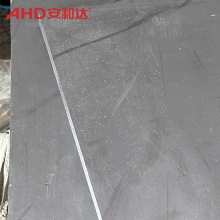
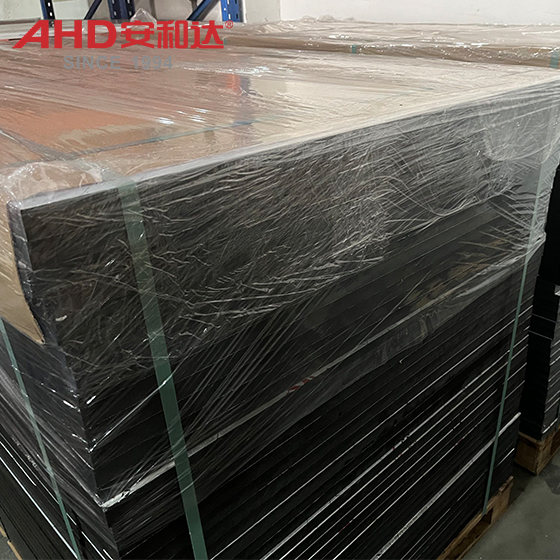
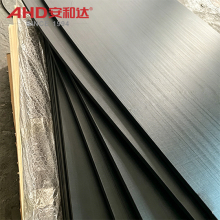
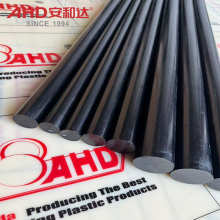
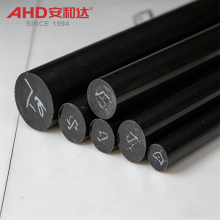
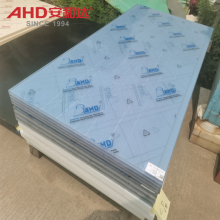
ESD PTFE sheet (static dissipative PTFE sheet) is a high-performance engineering plastic based on polytetrafluoroethylene (PTFE) material. By adding static dissipative agents (such as carbon black, metal oxides, etc.) through special formulas and processes, it has excellent insulation, chemical stability, and controllable static dissipation performance.
Basic material: PTFE (polytetrafluoroethylene), with extremely strong carbon fluorine bonds in its molecular structure, endowing the material with characteristics such as high temperature resistance, corrosion resistance, and low friction coefficient.
Surface resistance: usually controlled between 10 ? and 10 12 Ω (in accordance with ANSI/ESD S20.20 standard), it is between a conductor and an insulator and can effectively conduct static electricity without generating electrical sparks.
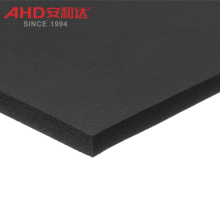
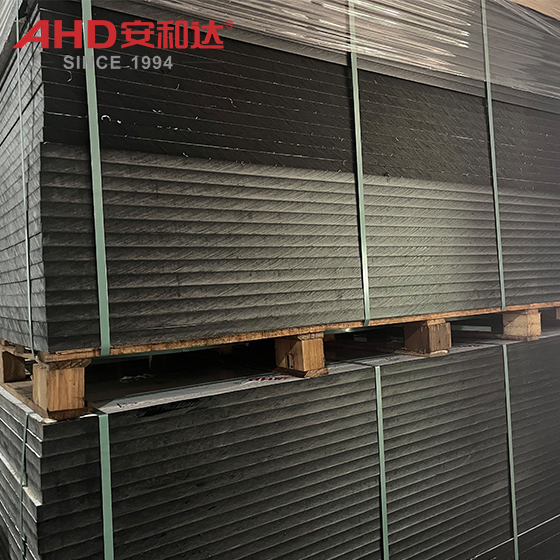
Color and appearance: Common black (filled with carbon black) or other customized colors, smooth and flat surface, customizable size according to needs.
?
Characteristics
Static dissipation performance
The surface resistance and volume resistance are stable within the range of 10 ?~10 12 Ω, avoiding static electricity accumulation and discharge (ESD), suitable for anti-static sensitive environments (such as electronic component production and clean rooms).
The static dissipation speed is better than that of ordinary PTFE, which can quickly neutralize charges and reduce the risk of static breakdown.
Chemical stability
Resistant to strong acids, strong bases, and organic solvents (excluding concentrated sulfuric acid and hydrofluoric acid), with extremely strong chemical inertness, suitable for corrosive environments such as chemical and pharmaceutical industries.
Not affected by ultraviolet rays and ozone, long-term use does not age.
Mechanical performance
The friction coefficient is extremely low (static ≤ 0.08, dynamic ≤ 0.04), with excellent self-lubricating properties, reducing wear and energy consumption.
Tensile strength ≥ 25MPa, bending strength ≥ 40MPa, but high brittleness, impact load should be avoided.
High temperature resistance performance
Continuous use temperature can reach 260 ℃, short-term temperature tolerance can reach 300 ℃, and toughness can still be maintained at low temperatures (-200 ℃).
Low coefficient of thermal expansion and high dimensional stability.
Electrical insulation
Dielectric strength ≥ 17kV/mm, low dielectric constant (2.1), suitable for high-frequency circuit shielding and insulation scenarios.
Processing performance
It can be formed through processes such as CNC machining, laser cutting, drilling, etc., and supports customization of complex structures.
?
Advantages of ESD PTFE Sheet
- Accurate static control: superior to ordinary PTFE and PVC sheets, suitable for high-precision anti-static scenarios.
- Balanced comprehensive performance: superior to PEEK and PVC in terms of temperature resistance and chemical stability, and lower cost.
- Long life design: anti-aging performance is significantly better than PVC, and the maintenance cost is low.
Specific application components
- Anti static countertops: laboratory operation table, electronic assembly workbench.
- Sealing and gasket: chemical pump valve sealing ring, pipeline flange gasket.
- Sliding components: cleanroom rails, precision instrument rails.
- Filtration and Separation: Corrosion resistant filter support layer, centrifuge drum lining.
- Shielding and insulation: high-frequency circuit substrate, cable sheath (requiring composite conductive layer).



Video
ESD PTFE Sheets
ESD PTFE Sheets
ESD PTFE Sheets
ESD PTFE Sheet Material
Get Latest Price
Send your inquiry to this supplier
You may also be interested in
Product Categories
New products
Send Inquiry
Product Alert
Subscribe to your interested keywords. We will send freely the latest and hottest products to your Inbox. Don't miss any trade information.
Subscribe
Your use of this website constitutes acknowledgement and acceptance of our Terms & Conditions.
Copyright ? 2009-2026 Bossgoo Co., Ltd. All rights reserved.
