

Sign In Join Free


1 / 6
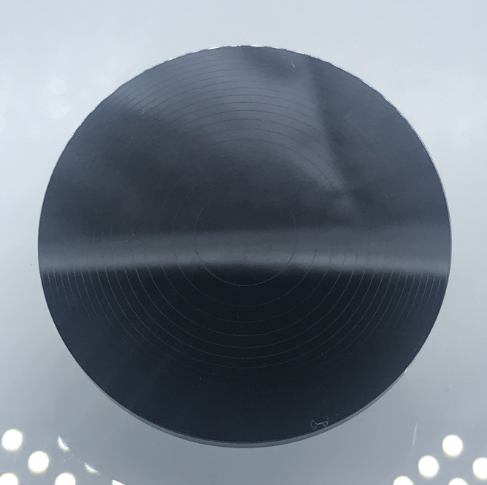
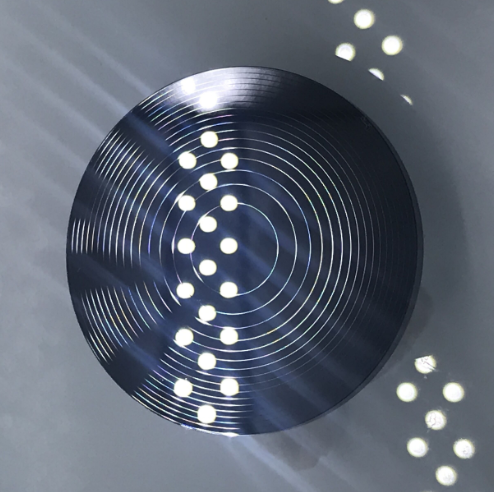
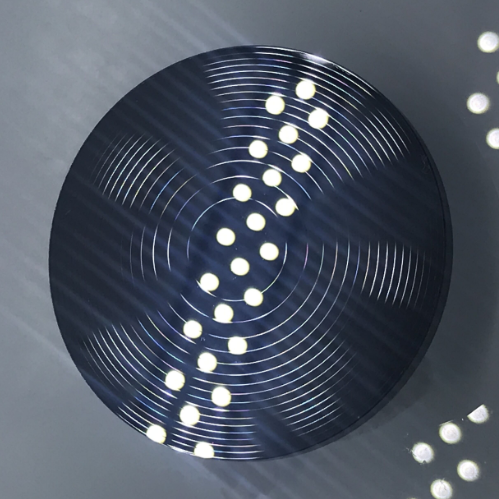
Exploring Diffraction Optical Elements (DOE): A Comprehensive Guide to Light Manipulation Technologies
$500.00
≥1 piece
$450.00
≥50 piece
$400.00
≥100 piece
$500.00
1 piece (MOQ)
Basic Info
| Place Of Origin | Jiangsu, China |
|---|---|
| Condition | New |
| Warranty | 3 Months |
| After-sales Service Provided | Free Spare Parts, Video Technical Support, Field Maintenance And Repair Service, Online Support, Field Installation, Commissioning And Training |
| Spare Parts Type | Optical glass |
Product description
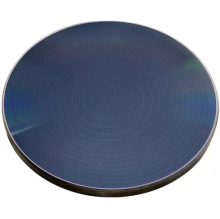
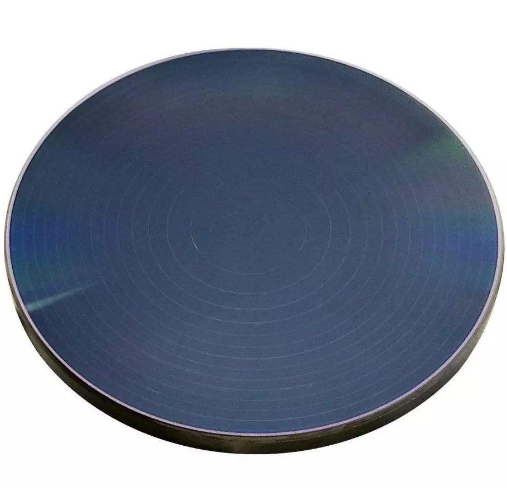
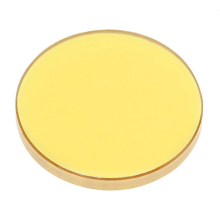
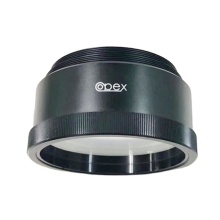
Due to their design flexibility, DOEs can have optical functions that can otherwise not be achieved at all, or only with
complicated optical systems. Moreover, compared to refractive optical elements, DOEs are typically much thinner and lighter,making them an attractive replacement in a number of applications.
In most scenarios the incident laser beam is collimated, or focused to a fixed distance behind the DOE. Wavelength Nanjing can offer solutions also for non-collimated or partially collimated light sources. To do so, the DOE microstructure combine pattern generation with focal power. In addition, the focusing properties of Wavelength Nanjing’s DOEs are not limited to fixed working distances. Instead, our pattern generators can provide required focal power to achieve focusing of the laser to strongly inclined target planes. In fact, the best focus location per diffraction direction can be matched to almost arbitrary surfaces.
Exploring Diffraction Optical Elements (DOE): A Comprehensive Guide to Light Manipulation Technologies
$500.00
≥1 piece
$450.00
≥50 piece
$400.00
≥100 piece
Send your inquiry to this supplier
You may also be interested in
- diffractive optical elements
- Optical Electrical Optical Converter
- optical instrument optical telescope
- optical telescope optical product
- optical coating optical components
- Optical To Optical Connector
- optical telescope optical instrument
- acetate optical
- Channel Optical
- fiber optical
- epon optical
- sapphire optical
- stainless optical
- Sony Optical
- transceiver optical
Product Categories


Product Alert
Subscribe to your interested keywords. We will send freely the latest and hottest products to your Inbox. Don't miss any trade information.
Your use of this website constitutes acknowledgement and acceptance of our Terms & Conditions.
Copyright ? 2009-2026 Bossgoo Co., Ltd. All rights reserved.
