The fully automatic packaging and palletizing solution, which is an advanced automated packaging and palletizing system designed to simplify and optimize the material handling processes in various industries. The design accuracy, efficiency and reliability of this automatic packaging and stacking equipment make it an important asset in modern manufacturing and logistics businesses. Whether you are managing a high-volume production line or seeking to enhance warehouse automation, this system offers a comprehensive approach to packaging and stacking tasks.?
?
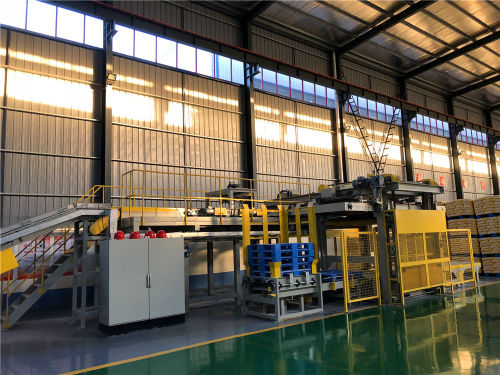
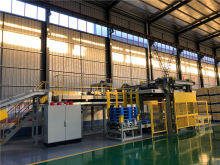
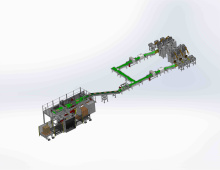
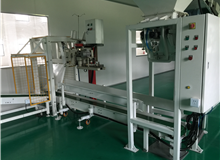
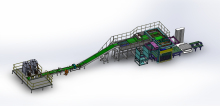
This system is a typical fully automatic packaging and palletizing system. The total output of 15-25 tons per hour requires only 1 forklift driver to take care of the packaging machine and placing the empty pallets into the pallet dispenser, as well as to take the stacked pallets to the warehouse for storage.
?
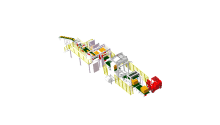
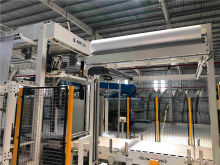
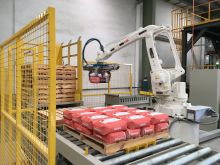
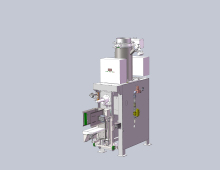
This system consists of automatic bagging valve bag packaging machine (including bag storage), operating platform, bag delivery conveyor, shaping conveyor, heat sealing or labeling sealing machine, automatic inkjet printer, high-level palletizing system or robot palletizing system, on-line automatic film wrapping machine/automatic film wrapping + top film laminating machine/cold drawing film system, etc.
?
The overview of this solution highlights its ability to seamlessly integrate into existing workflows, reducing manual labor while enhancing throughput. With advanced sensors, intelligent control systems and modular design, the fully automatic packaging and stacking solution ensures consistent performance and minimal downtime. It supports various packaging formats, ranging from individual units to bulk containers, allowing for flexible and scalable deployment in different operating environments. </p>
?
The main features of the automated packaging and palletizing system include high-speed operation, precise alignment and a robust structure that can withstand harsh conditions. This system is equipped with a user-friendly interface, allowing for easy monitoring and adjustment without extensive technical expertise. In addition, its energy-saving design helps to reduce overall operating costs, making it a sustainable choice for enterprises that focus on long-term growth and environmental responsibility
?
In-depth research and detailed description: The automatic packaging and stacking equipment utilizes the most advanced robotics and conveyor technology to handle complex stacking patterns. Customization can be made according to specific requirements such as product size, weight, and stacking configuration. The adaptability of this system enables seamless integration with other automation systems, enhancing overall productivity and data flow within the facility. In addition, its modular structure is convenient for maintenance and upgrading, ensuring that the equipment remains up-to-date with the constantly evolving industry standards
?
This innovative solution is highly suitable for use in food and beverage processing, pharmaceuticals, consumer goods, and e-commerce fulfillment centers. Among these Settings, the fully automatic packaging stacking solution plays a crucial role in maintaining order, accuracy and speed during the packaging and storage phases. By eliminating human errors and reducing labor-intensive tasks, it helps significantly improve operational efficiency and save costs
?
Users of the automated packaging and palletizing system have reported substantial improvements in workflow management and output consistency. Many emphasize the convenience of operation and the system's ability to handle multiple product types without affecting quality or speed. The recommendation letter emphasized the long-term value of the investment, pointing out that reducing downtime, increasing production capacity and improving workplace safety are the main benefits
?
When considering the adoption of automatic packaging and stacking equipment, it is important to evaluate factors such as space availability, product specifications and integration capabilities. Although the system is designed for multi-functionality, it can achieve the best performance when consistent with the unique requirements of each business. Consulting experts in automation and logistics can further ensure that the selected solution meets all operational goals and expectations
Modern industrial efficient automatic packaging and stacking solutions, fully automatic packaging and stacking solutions, automatic packaging and stacking systems and automatic packaging and stacking equipment are advanced systems designed to simplify the packaging and stacking processes in industrial environments. These technologies offer seamless integration of automation, precision and efficiency, making them essential tools for manufacturers, logistics providers and distribution centers to optimize their operations. The fully automatic packaging and stacking solution is designed to handle a wide range of products, from small consumer goods to large industrial components, ensuring that each item is packaged, stacked and prepared for transportation with minimal human intervention. This level of automation not only reduces labor costs but also enhances productivity by eliminating human errors and increasing throughput. The automated packaging and palletizing system is another key component of modern material handling. It adopts advanced robot technology and intelligent control systems to effectively package and stack products onto pallets. This system can be customized to adapt to different product sizes, weights and shapes, making it highly versatile in various industries. With its ability to operate continuously and adapt to constantly changing production demands, this system ensures the rapid and accurate completion of packaging and palletizing tasks. Automatic packaging and stacking equipment further complements these solutions, providing a reliable and consistent approach for finished product stacking. Whether used in food processing, pharmaceuticals or automotive manufacturing, this equipment can ensure that products are neatly arranged and ready for storage or transportation. Its powerful design and user-friendly interface make it easy to integrate into existing workflows without the need for extensive modifications. One of the most remarkable advantages of these automated systems is that they can reduce operational downtime. By reducing the demand for physical labor and simplifying the packaging and stacking processes, enterprises can achieve higher efficiency and output levels. In addition, these systems help maintain a clean and organized working environment, which is crucial for maintaining quality standards and complying with industry regulations. The main features of these systems include high-speed operation, precise alignment, adjustable Settings and real-time monitoring functions. These features ensure that the packaging and stacking processes are both efficient and accurate, reducing waste and improving the overall product quality. Furthermore, the use of durable materials and advanced engineering makes these systems highly reliable even under harsh conditions. The detailed descriptions of these systems highlight their universality and adaptability. They can be configured to meet specific requirements, whether it is handling fragile items, heavy loads or complex product arrangements. This flexibility enables enterprises to expand their operations as needed without having to replace the entire system. In addition, the integration of intelligent technologies can enable remote monitoring and diagnosis, allowing operators to track performance and solve problems before they become critical. The use cases of these automated solutions are diverse and span multiple industries. In the food and beverage industry, they are used to package and stack cans, bottles, and containers effectively. In the pharmaceutical industry, they ensure that products are handled carefully and stored correctly. In e-commerce and retail, these systems help manage a large number of orders by automating the packaging and transportation processes. Their application in manufacturing and warehousing further demonstrates their value in enhancing workflow efficiency and shortening delivery times. The user experience highlights the effectiveness of these systems in transforming traditional packaging and stacking methods. Many users have reported significant improvements in production efficiency, reduced labor costs and enhanced product quality. Easy integration and minimal maintenance requirements are also often regarded as the main benefits. In addition, the reliability and durability of these systems help to save long-term costs and improve operational stability.
?