
Search

Sign In Join Free


Video
1 / 2
hydrazine hydrate hs code
Get Latest Price
You might also like


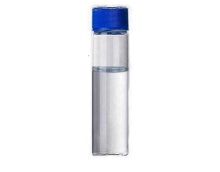
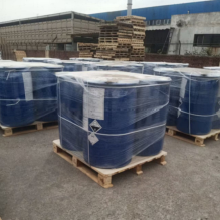

Basic Info
| Model No. | Hydrazine Hydrate 100% |
|---|---|
| Brand Name | MINGDE |
| place of origin | China |
| Types of | Agrochemical Intermediates, Dyestuff Intermediates, Pharmaceutical Intermediates, Syntheses Material Intermediates |
| Liquid | Colorless liquid |
| Appearance | Industrial Grade |
| Medical Grade | Intermediate |
Product description
Hydrazine (N2H4) and its hydrate form (N2H4·H2O) are commonly used as anti-corrosion additives in the water systems of thermal and nuclear power plants, particularly in boilers and feedwater systems. The primary purpose of using hydrazine in these applications is to prevent corrosion by removing dissolved oxygen from the water. Here’s how it works:
Mechanism of Action:
1. Oxygen Scavenging: Hydrazine reacts with dissolved oxygen (O2) in the water to form water (H2O). This reaction can be represented as: N2H4 + O2 →2H2O + N2
By removing oxygen, hydrazine prevents oxidative corrosion of metal surfaces, which can lead to pitting and other forms of localized corrosion.
2. Passivation: In addition to oxygen scavenging, hydrazine can also passivate metal surfaces by forming a protective oxide layer on the metal surfaces, particularly in the case of iron-based alloys. This layer helps to further inhibit corrosion.
Benefits:
Corrosion Prevention: By eliminating oxygen, hydrazine reduces the risk of corrosion, extending the life of the plant's components.
Boiler Integrity: Maintaining low levels of dissolved oxygen in boiler water helps prevent corrosion that could compromise the integrity of the boiler tubes and other components.
Efficiency: Reducing corrosion improves the overall efficiency of the power generation process by maintaining optimal heat transfer properties and reducing maintenance downtime.
Specifications:
| Items | Units | Standards | Results |
| Appearance | Colorless | Colorless | |
| Hydrazine Hydrate | % | 100.0 Min | 100.31 |
| Iron(Fe) | % | 0.01 Max | 0.0018 |
| Heavy Metal(Pb) | % | 0.0005 Max | <0.0001 |
| Chloride(Cl) | % | 0.003 Max | <0.0001 |
| Sulfate(SO4) | % | 0.0005 Max | <0.0001 |

SHANDONG MINGDE CHEMICAL CO.,LTD.
- 3yrs

Jinan,
Shandong,
China
- Distributor/Wholesaler
- Manufacturer
- Retailer
Video
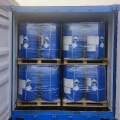
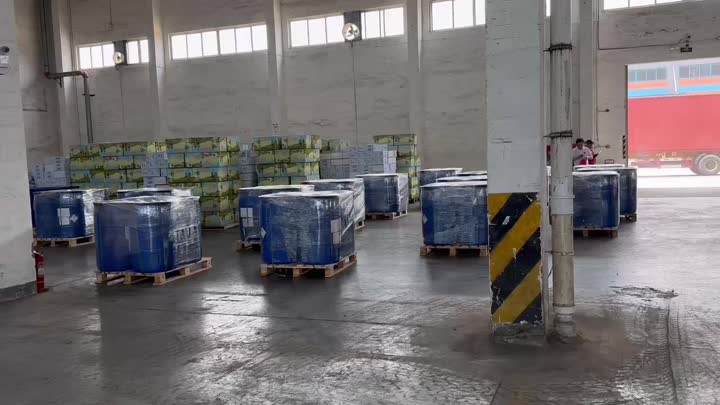
Colorless Liquid Hydrazine Hydrate
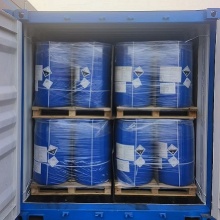
Colorless Liquid Hydrazine Hydrate
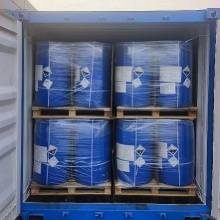
Colorless Liquid Hydrazine Hydrate
hydrazine hydrate hs code
Get Latest Price
Send your inquiry to this supplier
You may also be interested in
Product Categories
New products


Send Inquiry
Product Alert
Subscribe to your interested keywords. We will send freely the latest and hottest products to your Inbox. Don't miss any trade information.
Subscribe
Your use of this website constitutes acknowledgement and acceptance of our Terms & Conditions.
Copyright ? 2009-2026 Bossgoo Co., Ltd. All rights reserved.
