
Search

Sign In Join Free


1 / 5
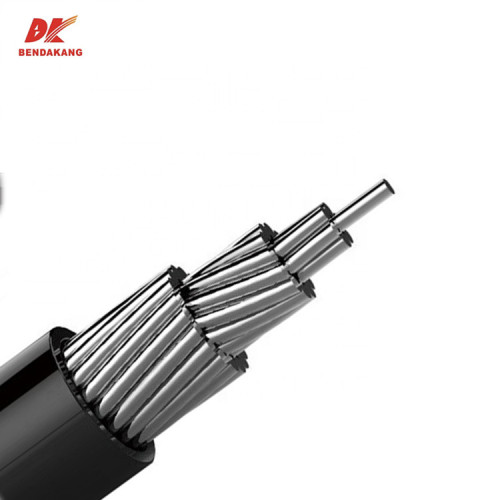
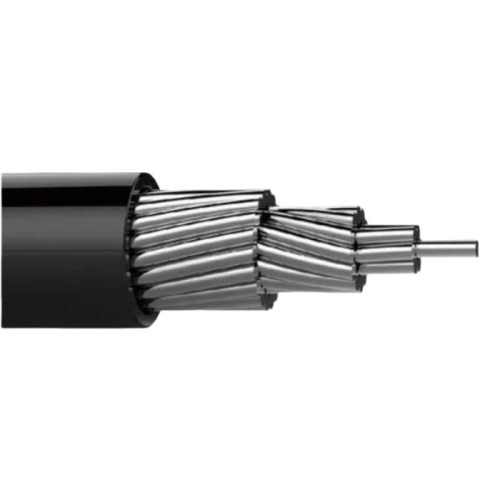
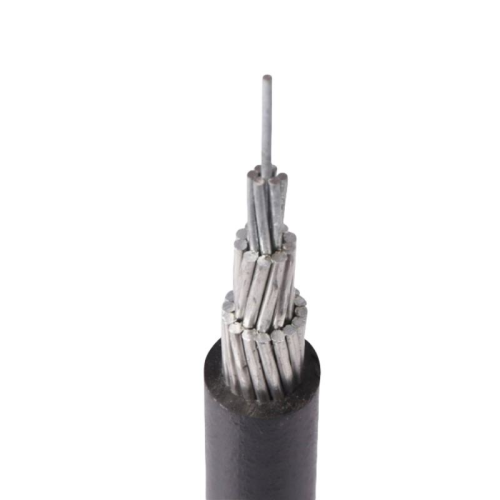
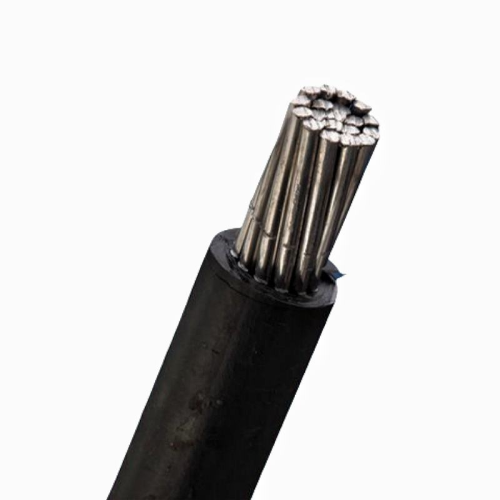
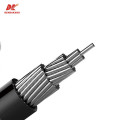
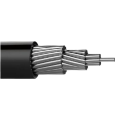
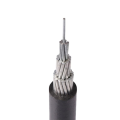
Insulated Overhead Power Cable
Get Latest Price
You might also like

Basic Info
| Brand Name | BDK |
|---|
Product description
?
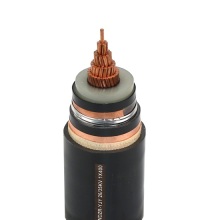
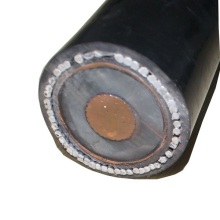
This is a single-core cable solution designed for safe and efficient medium-voltage power distribution in global overhead transmission lines, rural power grids, and public utility infrastructure projects. Featuring a high-quality aluminum conductor and durable cross-linked polyethylene (XLPE) insulation, the cable fully complies with global IEC and national standards, making it a reliable choice for overseas B2B buyers seeking cost-effective and durable cabling solutions. It is perfectly compatible with BDK's full range of single-core medium-voltage cables.
?
What is Insulated Overhead Power Cable
?
Insulated Overhead Power Cable is a dedicated medium voltage power cable featuring a stranded aluminum conductor encased in a robust, weather-resistant XLPE (Cross-Linked Polyethylene) insulation layer. Unlike bare overhead conductors, its fully insulated design eliminates the risk of electric shock, short circuits, and accidental contact, delivering enhanced safety for overhead power distribution. As a premium Medium Voltage Single Core Cables variant, it combines high conductivity with exceptional mechanical strength, making it ideal for long-distance overhead transmission in harsh outdoor environments.
?
Structural Features
?
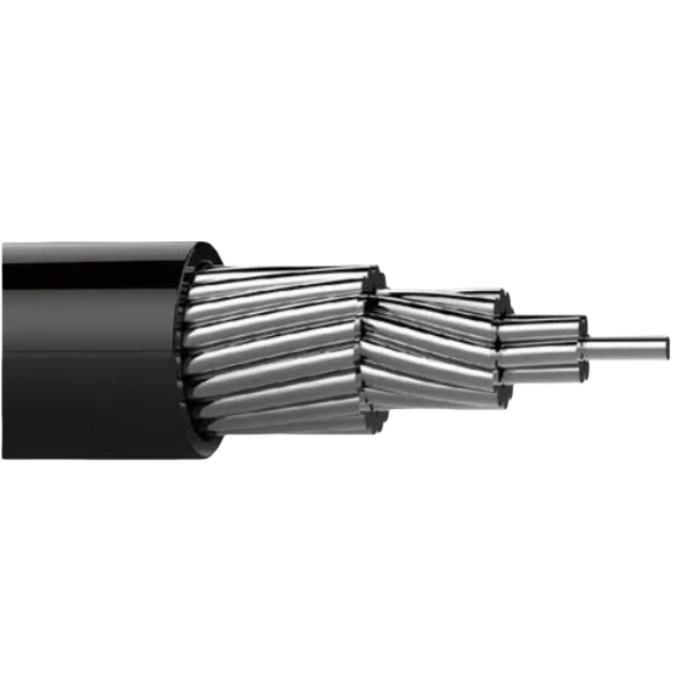
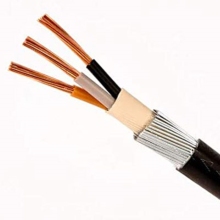
The cable adopts a precision-engineered single-core structure optimized for overhead power transmission. At its core is a high-purity stranded aluminum conductor, composed of multiple thin aluminum wires twisted together to enhance mechanical flexibility while maintaining low electrical resistance and efficient power transmission. The conductor is fully wrapped in a thick, uniform XLPE insulation layer, which provides outstanding electrical insulation, UV resistance, weathering resistance, and mechanical protection, ensuring stable performance under extreme outdoor conditions such as direct sunlight, rain, and temperature fluctuations. The compact, lightweight design ensures easy installation on utility poles and overhead line structures, with consistent diameter for reliable performance across all applications.
?
Material Advantages
?
The high-purity stranded aluminum conductor offers excellent electrical conductivity, low energy loss, and significant weight savings compared to copper, reducing installation costs and structural load on overhead line supports. The premium XLPE insulation provides superior UV resistance, weathering resistance, thermal stability, and chemical corrosion resistance, protecting the cable from long-term outdoor exposure, moisture, and mild chemicals. XLPE also offers excellent dielectric strength and flame-retardant properties, ensuring reliable insulation performance in medium voltage systems, and is highly durable, extending the cable’s service life to 30+ years in overhead applications. All materials meet international environmental and safety standards, ensuring non-toxic, reliable performance for global utility projects.
?
Practical Application Scenarios
?
This versatile cable is a staple in global power distribution infrastructure. In utility and grid projects, it serves as the primary medium voltage overhead transmission line for rural grids, urban distribution networks, and power substations, replacing bare overhead lines to enhance safety and reliability. It is also widely used in renewable energy projects, such as wind farms and solar power plants, for medium voltage power collection and transmission, and in temporary power projects, mining operations, and remote area power supply. As a reliable Electric Wires Cables solution for overhead use, it is ideal for regions with high lightning risk and complex terrain.
?
Laying Precautions
?
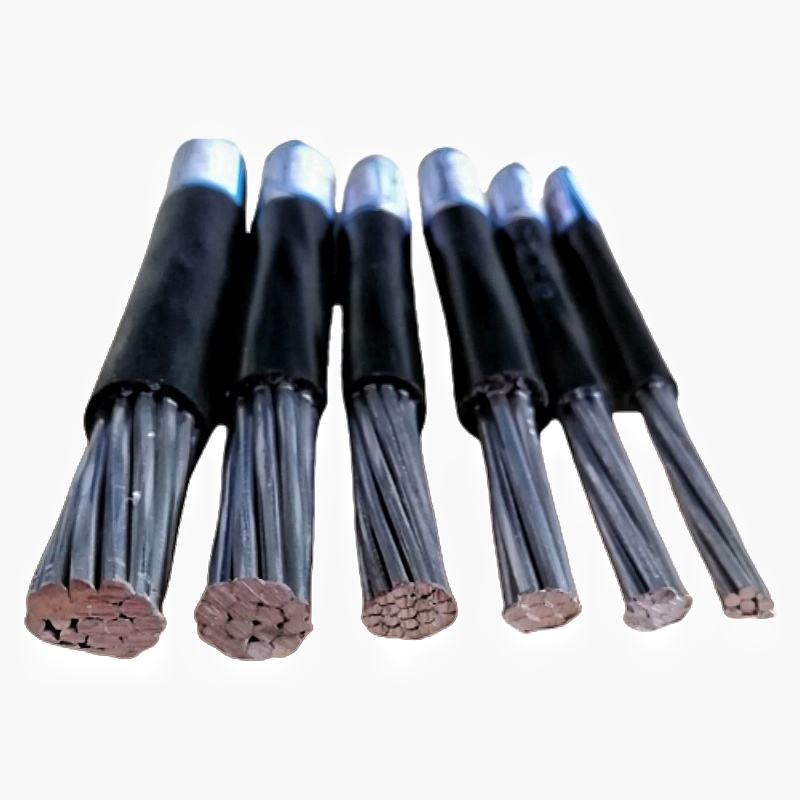
During installation, avoid excessive pulling, sharp bending, or kinking to prevent damage to the aluminum conductor and XLPE insulation, which could compromise electrical safety and service life. Ensure proper sag control during overhead installation to avoid excessive tension on the cable, and use compatible clamps and fittings designed for overhead power cables. Keep the cable clear of trees, buildings, and other obstacles to prevent insulation damage and electrical faults. Adhere strictly to rated voltage and current limits to avoid overloading, follow local electrical codes and utility standards for compliant installation, and regularly inspect the cable’s insulation for wear, damage, or aging to ensure long-term reliable operation.



Insulated Overhead Power Cable
Get Latest Price
Send your inquiry to this supplier
You may also be interested in
- alloy aluminium
- aluminium cable
- Manual Aluminium Alloy
- master alloy aluminium
- Aluminium Alloy Bars
- aluminium alloy cabinet
- aluminium alloy cast
- aluminium alloy circles
- Aluminium Alloy Door
- aluminium alloy fitting
- aluminium alloy handles
- Aluminium Alloy Ladder
- aluminium alloy pipe
- aluminium alloy scooters
- Aluminium Alloy Sheets
Product Categories
New products




Send Inquiry
Product Alert
Subscribe to your interested keywords. We will send freely the latest and hottest products to your Inbox. Don't miss any trade information.
Subscribe
Your use of this website constitutes acknowledgement and acceptance of our Terms & Conditions.
Copyright ? 2009-2026 Bossgoo Co., Ltd. All rights reserved.
版權(quán)所有 ? 寧波全貿(mào)信息技術(shù)有限公司 浙ICP備12012821號-1 浙B2-20200628
