

Sign In Join Free




Video
1 / 3
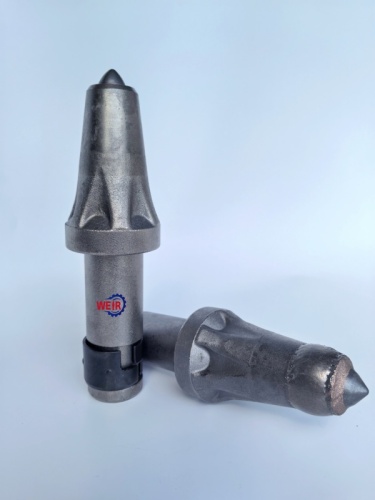
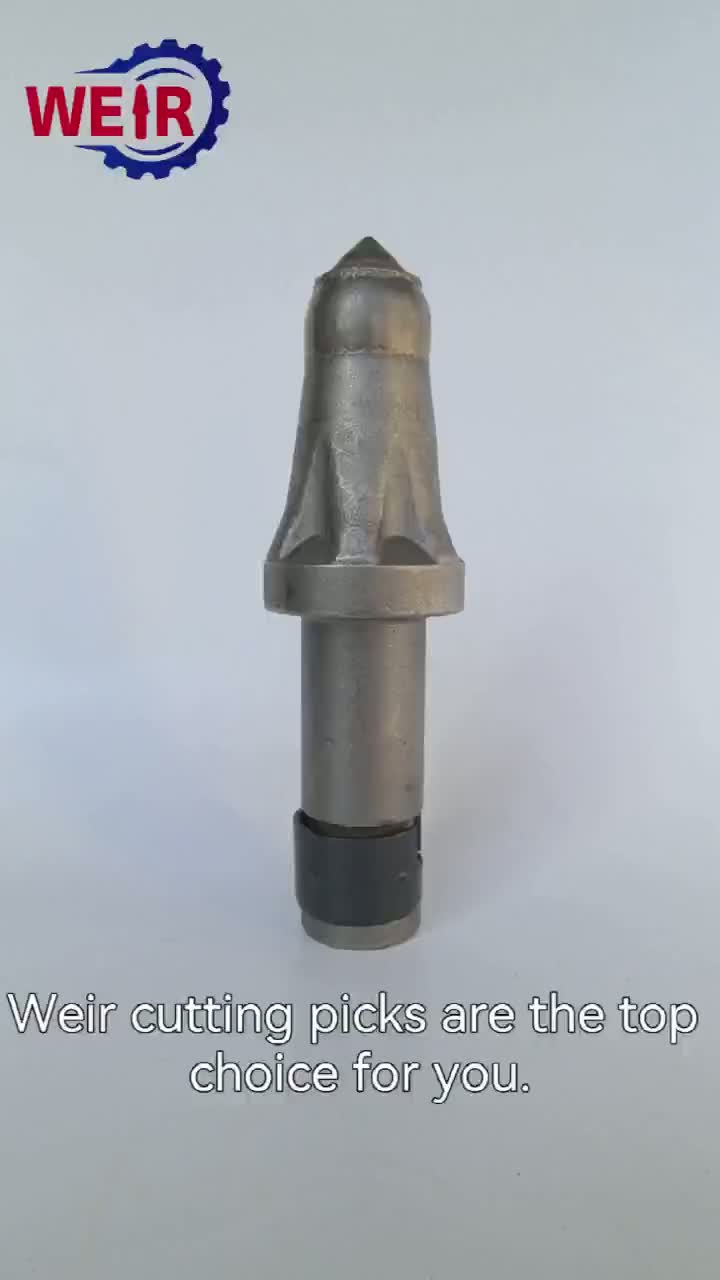
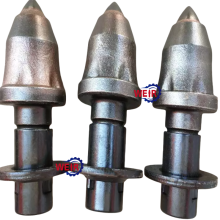
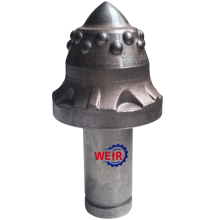
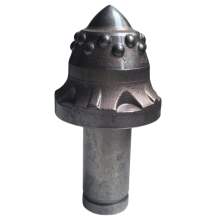
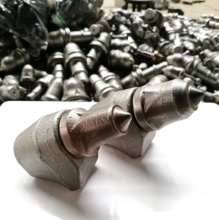
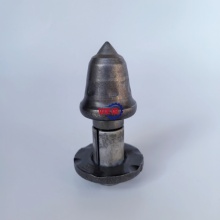
Milling machine cutting picks&Slag raking machine picks
$50.00
≥10 Piece/Pieces



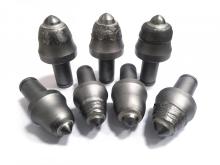
Basic Info
| Brand Name | Weir |
|---|---|
| Machinable materials | Hardened Metals, Steel Alloys |
Product description
1. Types:
- Single-point (e.g., in drilling)
- Multi-point (most common in milling)
2. Materials:
- High-speed steel (HSS)
- Carbide (tungsten carbide)
- Ceramics
- CBN (cubic boron nitride)
- Diamond
3. Geometries:
- Flat face
- Serrated
- Helical
- Ball nose
- Chamfered
4. Number of flutes:
- 2 to 6 or more, depending on application
5. Cutting angles:
- Rake angle
- Clearance angle
- Helix angle
6. Functions:
- Remove material
- Shape workpiece
- Control chip formation
7. Wear and resharpening:
- Regular inspection
- Resharping or replacement when worn
8. Coatings:
- Titanium Nitride (TiN)
- Titanium Carbonitride (TiCN)
- Aluminum Titanium Nitride (AlTiN)
9. Selection factors:
- Material being machined
- Desired surface finish
- Production rate requirements
- Machine capabilities
10. Maintenance:
- Proper lubrication
- Correct speeds and feeds
- Regular cleaning
The choice of cutting teeth depends on the specific machining operation, material properties, desired results, and economic considerations. Proper selection and maintenance of cutting teeth are crucial for efficient and effective milling operations.
- 2yrs


- Organization
- Manufacturer
Video
Milling machine picks&Slag raking machine picks
Milling machine picks&Slag raking machine picks
Milling machine picks&Slag raking machine picks
Milling machine cutting picks&Slag raking machine picks
$50.00
≥10 Piece/Pieces
Send your inquiry to this supplier
You may also be interested in
Product Categories

Product Alert
Subscribe to your interested keywords. We will send freely the latest and hottest products to your Inbox. Don't miss any trade information.
Your use of this website constitutes acknowledgement and acceptance of our Terms & Conditions.
Copyright ? 2009-2026 Bossgoo Co., Ltd. All rights reserved.
版權(quán)所有 ? 寧波全貿(mào)信息技術(shù)有限公司 浙ICP備12012821號-1 浙B2-20200628
