
Search

Sign In Join Free






1 / 7
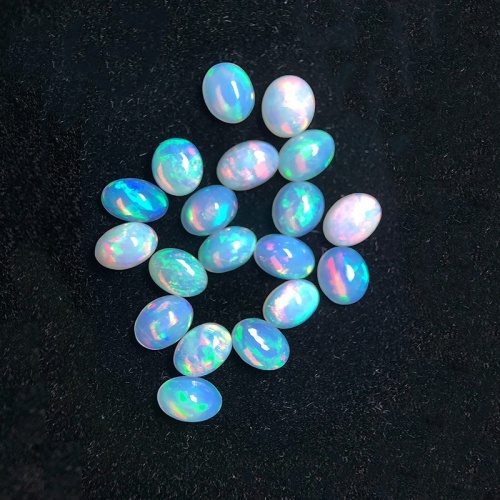
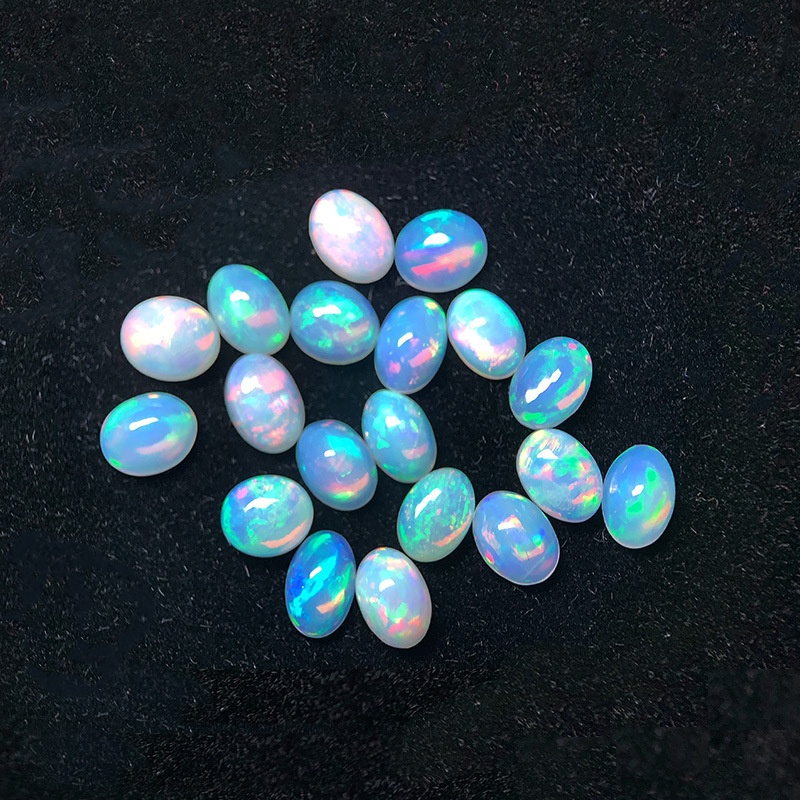
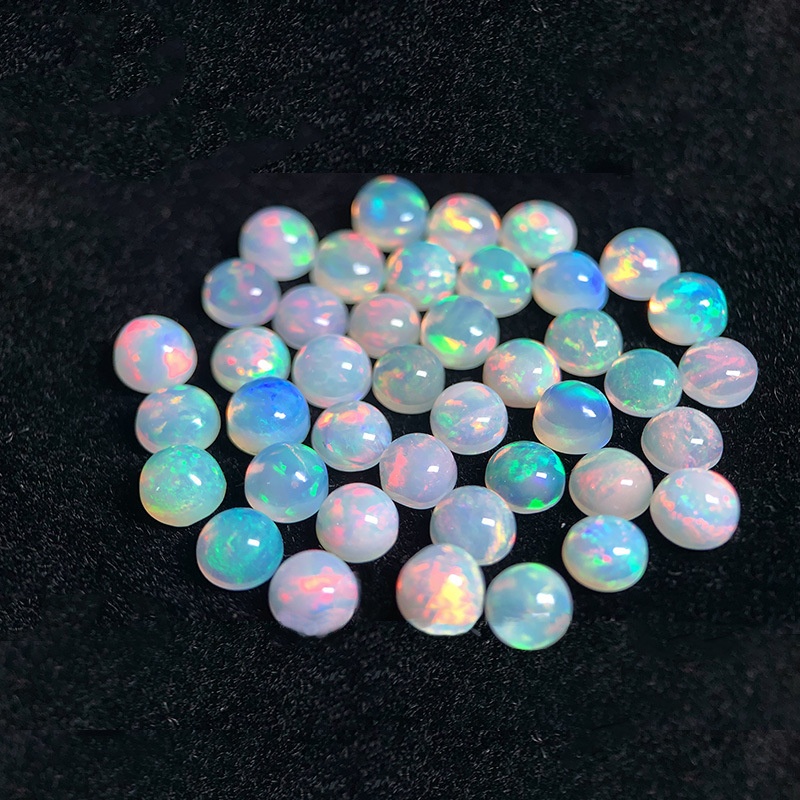
Natural Opal Round Plain Flat Bottom Loose Stone
$0.05
~ $10.00
/ Piece/Pieces
Color:
- White
Options:
- Customized
Get Latest Price
You might also like




Basic Info
| Model No. | QF-0842 |
|---|---|
| Certificate type | Ngtc |
| place of origin | China |
| Types of gems | Natural |
| Gem material | Garnet, Agate, Zircon, Jade, Amber, Jasper, Amethyst, Onyx, Aquamarine, Opal, Quartz, Chalcedony, Ruby, Citrine, Coral, Emerald, Turquoise, Sapphire |
| Gem shape | Pear Cut, Oval Cut, Asscher Cut, Princess Cut, Cushion Cut, Radiant Cut, Emerald Cut, Round Brilliant Cut, Heart Cut, Trillion Cut, Marquise Cut |
Show More
Product description
? Gemstones ?
Opal
Opal, a captivating gemstone known for its dazzling play-of-color, has long been a subject of fascination for gem enthusiasts, jewelry designers, and collectors.
With its ethereal appearance and ability to reflect a full spectrum of colors, opal has become one of the most cherished gemstones in the world. Known in Chinese as 澳寶 (Ào bǎo), opal is not only prized for its aesthetic beauty but also for its historical significance and symbolic meanings.
Opal is a hydrated amorphous form of silica, which means it does not have a crystalline structure like many other gemstones, such as diamonds or sapphires. Instead, it is a mineraloid, with its physical structure consisting of small spheres of silica that are packed together in a random arrangement.
The water content in opal typically ranges from 3% to 21%, depending on its origin and type. This unique structure allows opal to refract light in a way that creates its signature "play-of-color" — a phenomenon where different colors appear to shift and change as the stone is moved.
Opal is most commonly found in volcanic rocks and sedimentary deposits, and it forms when water-rich solutions seep through cracks in the earth, leaving silica deposits behind. The combination of silica spheres and the presence of water is key to creating opal’s stunning color play, which has made it a gemstone highly valued by jewelers and collectors alike.
*100% Genuine & Natural
? Specifications ?
| Shape: | Customization Available |
| Size: | Customization Available |
| Grade: | AAA |
| Cutting: | Customization Available |
| Style: | Customization Available |
| MOQ: | 10 / Pieces |
? Main Product ?
? Customization ?
Our skilled artisans meticulously craft each piece, ensuring exceptional quality and attention to detail.
Whether you want a unique shape, size or design, we can bring your vision to life at no extra cost.
Our gemstones come in standardized calibrated sizes in millimeters. If you have any questions or need assistance, our team is always here to help.
? Gemstone Details And Uses ?
Opal has a long and storied history, with evidence of its use dating back thousands of years. Ancient civilizations, including the Romans, Egyptians, and Greeks, highly valued opal for its beauty and rarity.
The ancient Romans believed opals to be symbols of hope and purity, and they were often set in rings and worn by nobility. The Egyptians, on the other hand, saw opal as a symbol of the goddess Isis and used the gemstone in jewelry and amulets for protection.
In the Middle Ages, opal was thought to possess magical properties. It was believed to bring good luck and protect the wearer from harm. In some cultures, opal was also associated with the ability to predict the future, and it was considered a stone of prophecy.
However, in the 19th century, opal gained a somewhat negative reputation, largely due to a novel by Sir Walter Scott titled Anne of Geierstein, in which a character’s opal-tipped crown led to her death.
This caused a widespread belief that opals brought bad luck, a superstition that persisted for some time. Fortunately, opal’s reputation recovered in the 20th century as its unique beauty and the resurgence of its use in fine jewelry became more widely recognized.
In Australian Aboriginal culture, opals are considered sacred stones and have deep spiritual significance. The Aboriginal people believe that opals are created by the spirits of the rainbow and that the stones are imbued with powerful energy and protection. Opal is often used in ceremonial practices, and it is believed to carry healing and protective properties.
Australia is the world’s leading producer of opals, particularly in regions like Lightning Ridge, Coober Pedy, and Andamooka. Lightning Ridge, in New South Wales, is especially famous for its black opals, which are considered some of the finest and most valuable opals in the world. Other notable opal-producing countries include Mexico, Ethiopia, and Honduras.
The opal mining process can be quite labor-intensive, especially in Australia, where miners often work in harsh desert conditions to extract opals. Due to opal’s delicate nature and irregular formation, each stone is unique, making the mining and sorting process both challenging and rewarding. The value of opal is determined by several factors, including color, pattern, brightness, and body tone.
Opal has long been associated with a variety of symbolic meanings and metaphysical properties. The play-of-color in opal is often seen as a metaphor for the shifting nature of life itself.
As a result, opal is thought to represent transformation, emotional healing, and the balance of opposites. In metaphysical practices, opal is believed to enhance creativity, intuition, and emotional expression.
Opal is also considered a stone of love and passion, often used to stimulate the heart chakra. It is said to encourage emotional healing and bring the wearer a sense of calm and stability. The stone’s ability to display a spectrum of colors is thought to reflect the multifaceted nature of the human soul, helping the wearer to tap into their inner self and gain clarity in times of emotional turmoil.
For those who believe in the healing properties of gemstones, opal is said to promote physical healing as well, particularly in areas related to the immune system, skin conditions, and digestion. The stone is also believed to help alleviate stress and bring balance to the wearer’s life.

Guangzhou Qinfa Crafts Company
- 2yrs


Guangzhou,
Guangdong,
China
- Manufacturer
- Distributor/Wholesaler
- Retailer
- Organization
Natural Opal Round Plain Flat Bottom Loose Stone
$0.05
~ $10.00
/ Piece/Pieces
Color:
- White
Options:
- Customized
Get Latest Price
Send your inquiry to this supplier
You may also be interested in
Product Categories
New products


Send Inquiry
Product Alert
Subscribe to your interested keywords. We will send freely the latest and hottest products to your Inbox. Don't miss any trade information.
Subscribe
Your use of this website constitutes acknowledgement and acceptance of our Terms & Conditions.
Copyright ? 2009-2026 Bossgoo Co., Ltd. All rights reserved.
