

Sign In Join Free







Video
1 / 7
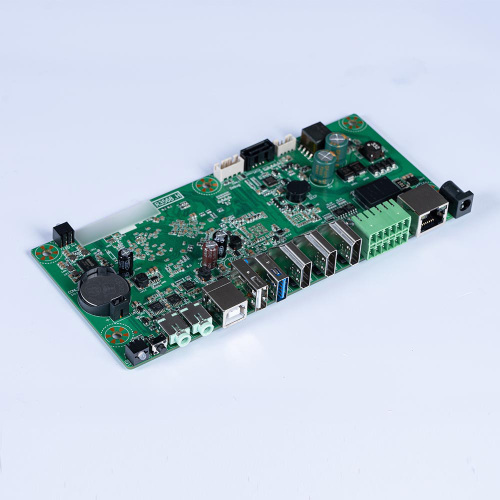
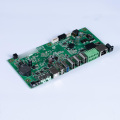
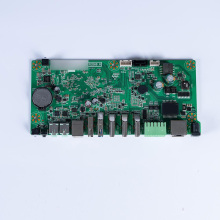
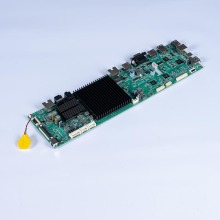
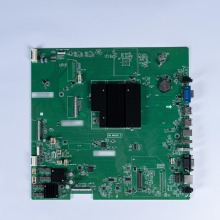
PCB Customized Surface Mount Technology
$85.00
≥1000 Piece/Pieces
$75.00
≥3000 Piece/Pieces
$65.00
≥5000 Piece/Pieces






Basic Info
| Brand Name | wtt/wsd |
|---|
Product description
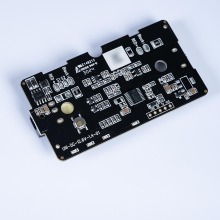
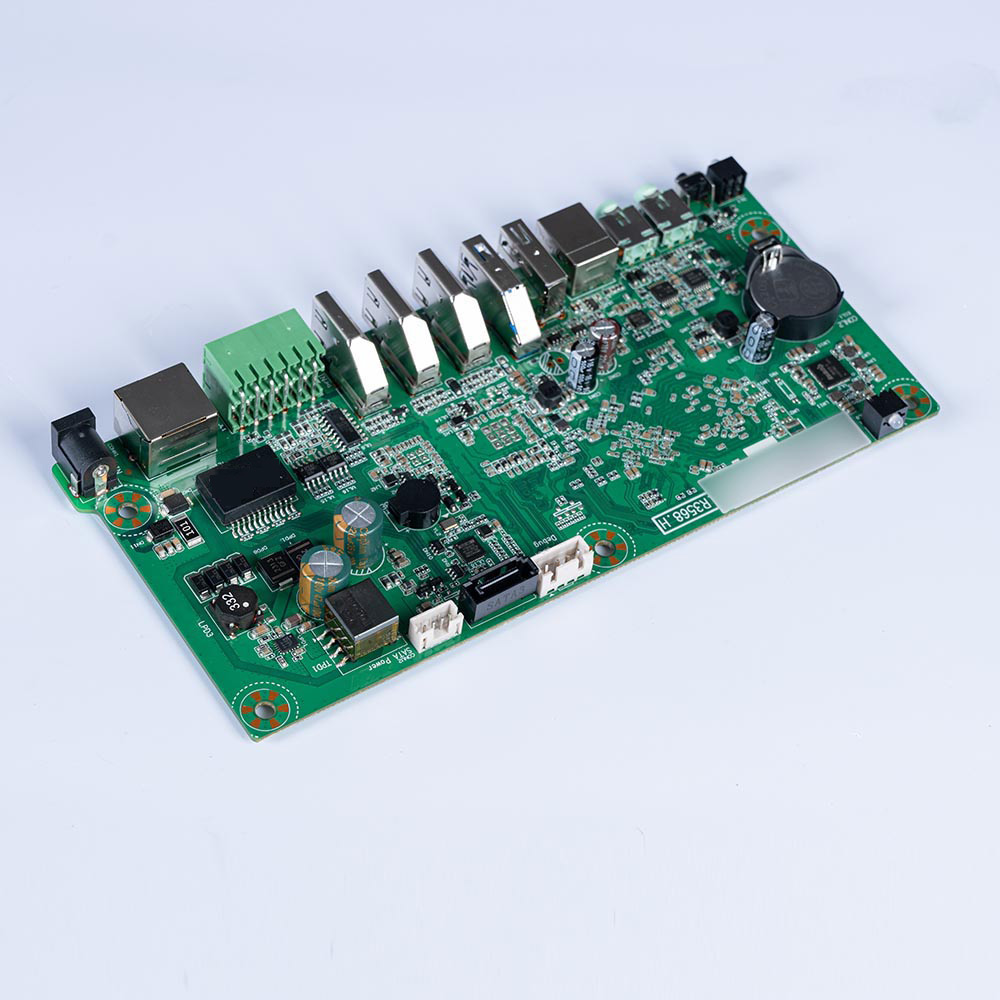
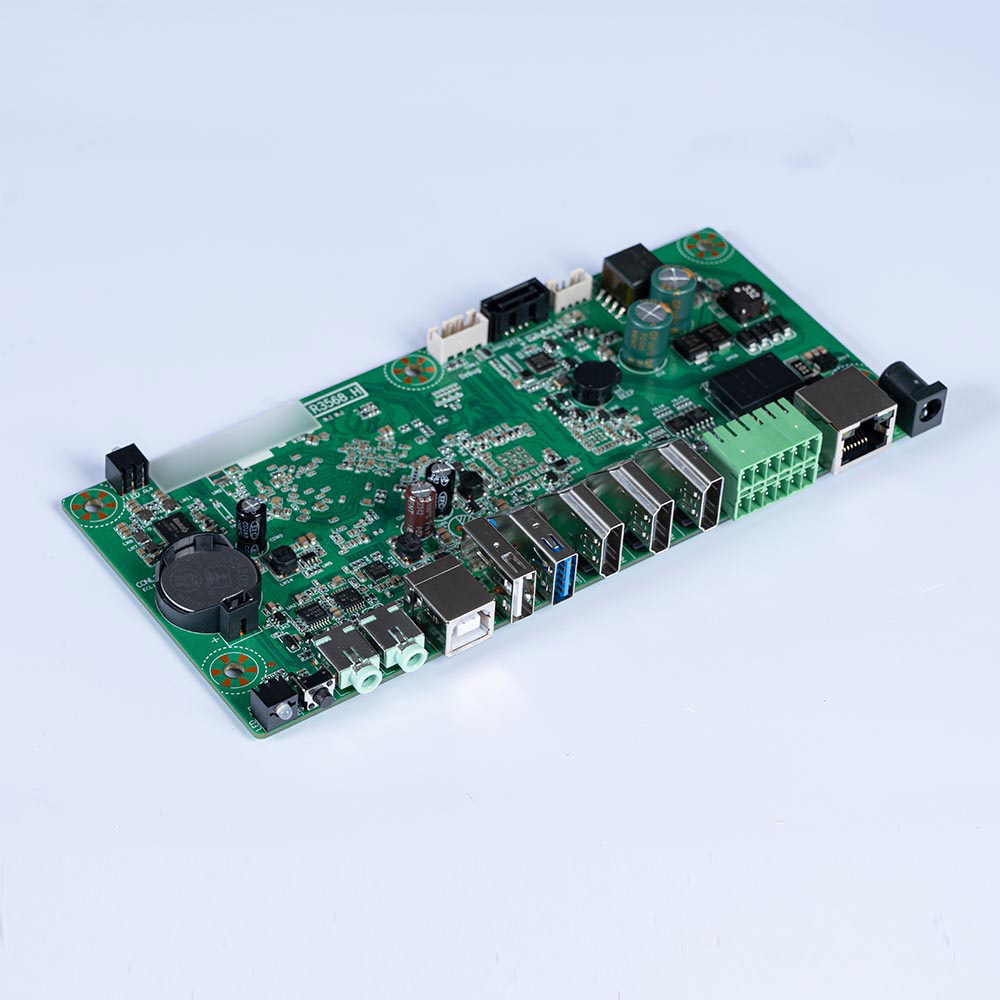
By following a structured approach from design to testing, manufacturers can achieve high-quality assemblies that meet the demands of modern electronic applications. Utilizing professional assembly services can enhance the efficiency and effectiveness of the SMT assembly process.

- 2yrs


- Manufacturer
- Service
- Distributor/Wholesaler
- Other
Video
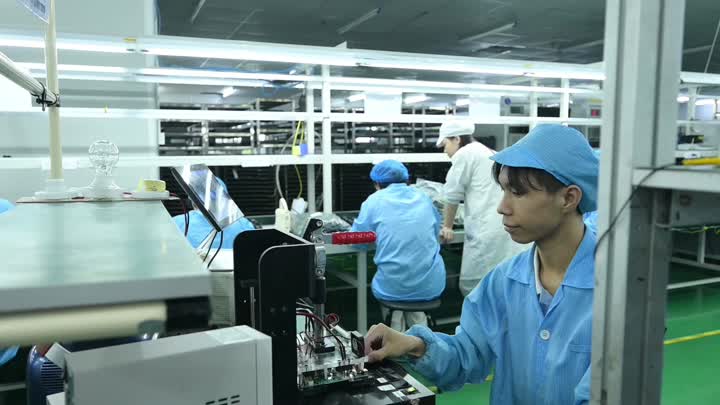
PCBA assembly
PCBA assembly
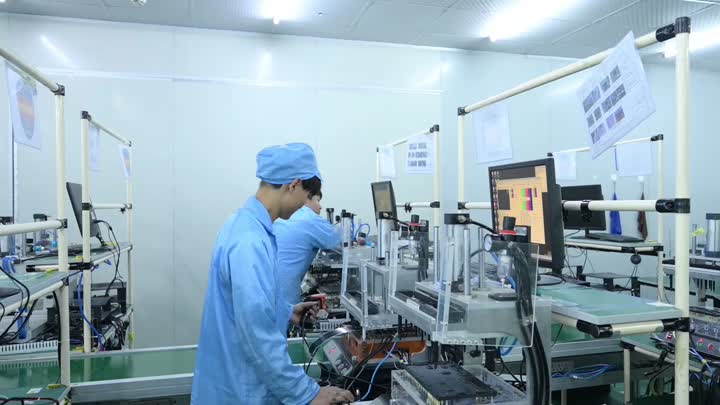
Reliability testing
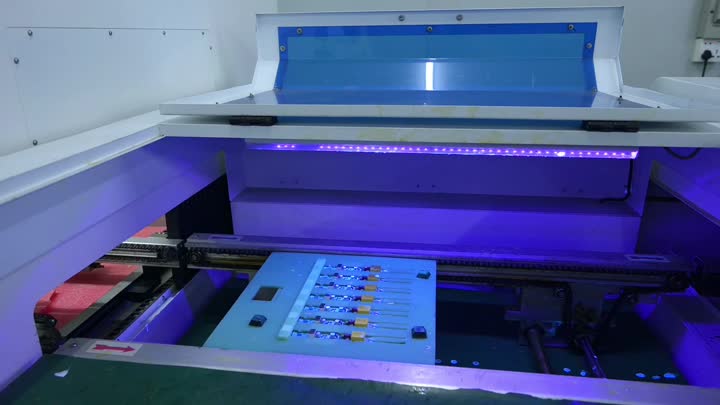
proof paint coating line, PCB board waterproofing
PCBA assembly
Reliability testing
proof paint coating line, PCB board waterproofing
PCB Customized Surface Mount Technology
$85.00
≥1000 Piece/Pieces
$75.00
≥3000 Piece/Pieces
$65.00
≥5000 Piece/Pieces
Send your inquiry to this supplier
You may also be interested in
Product Categories



Product Alert
Subscribe to your interested keywords. We will send freely the latest and hottest products to your Inbox. Don't miss any trade information.
Your use of this website constitutes acknowledgement and acceptance of our Terms & Conditions.
Copyright ? 2009-2026 Bossgoo Co., Ltd. All rights reserved.
