
Search

Sign In Join Free








Video
1 / 8
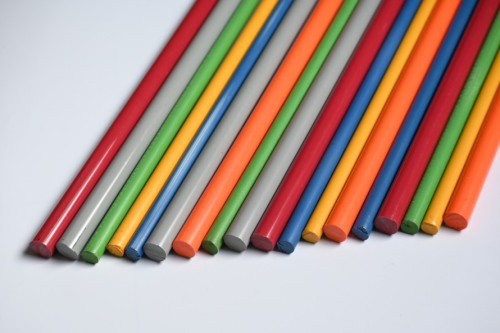
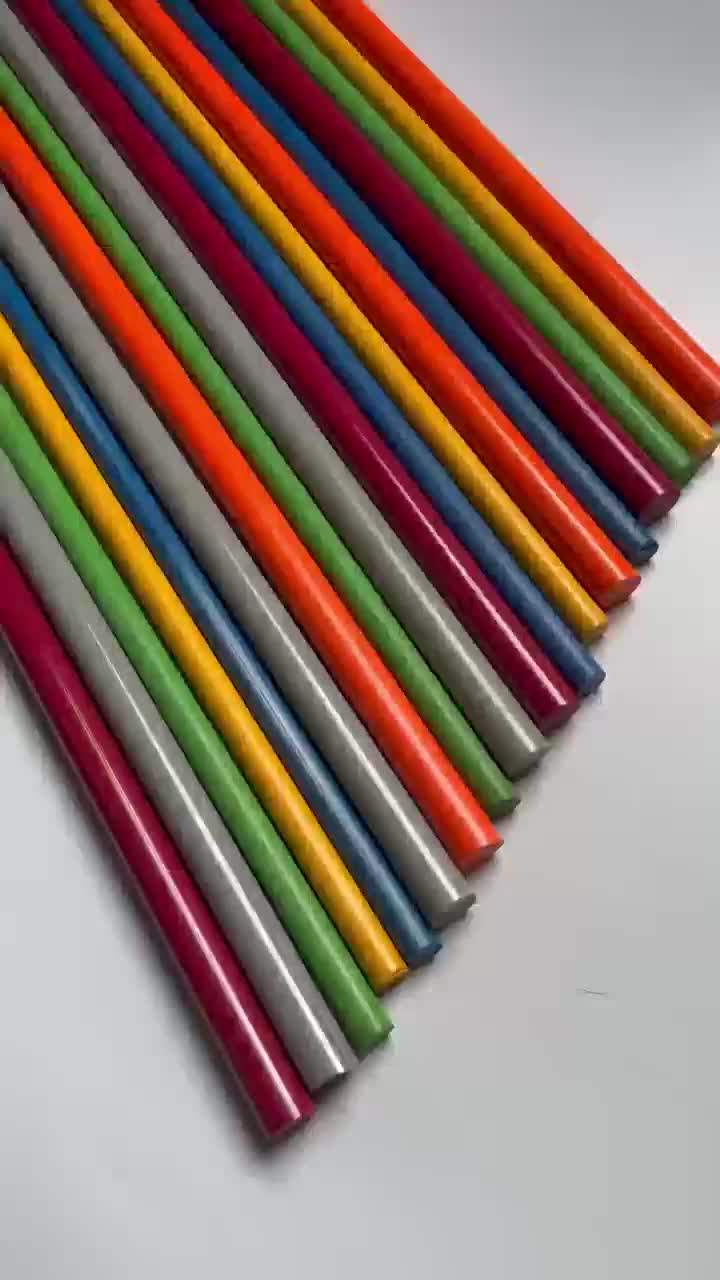
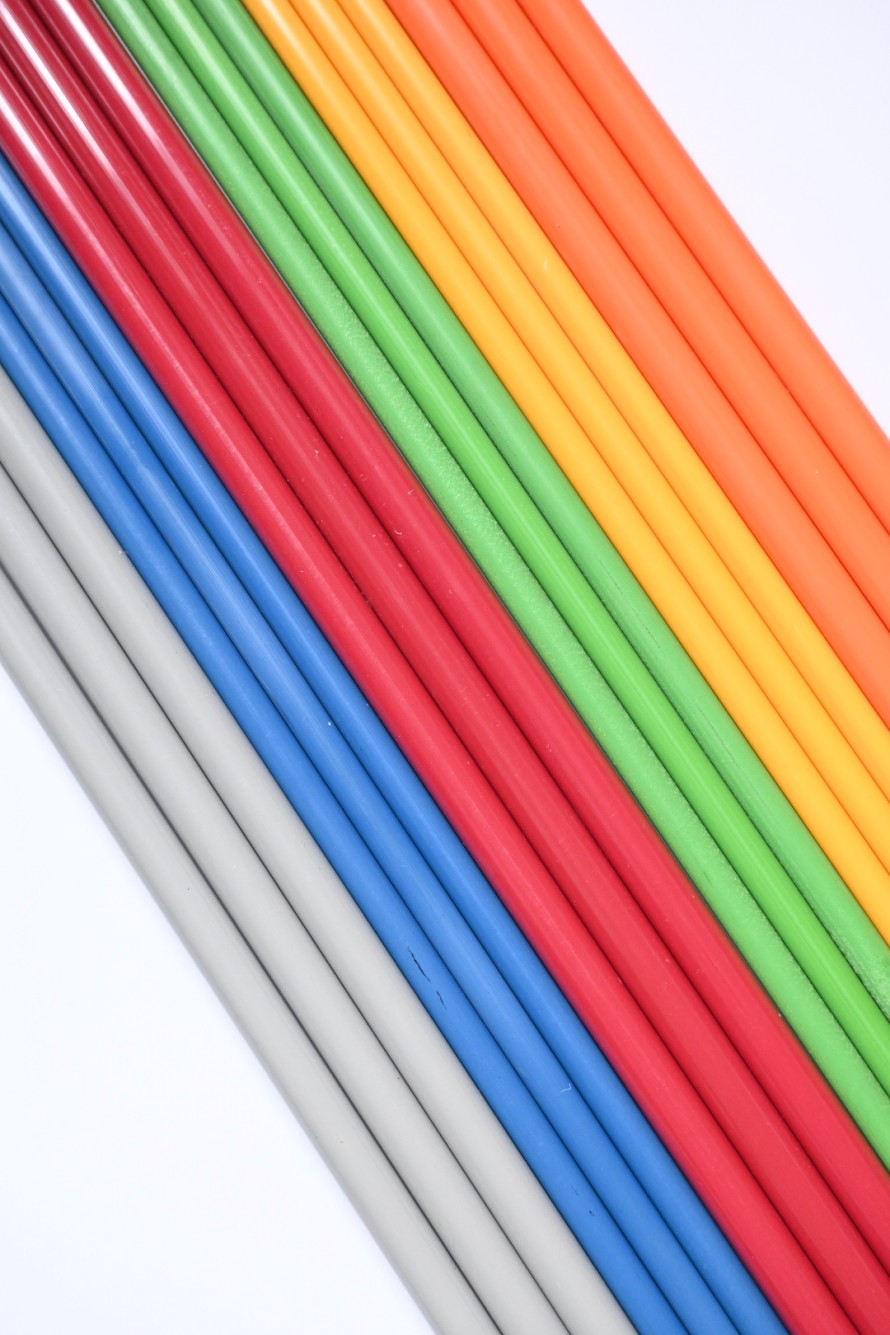
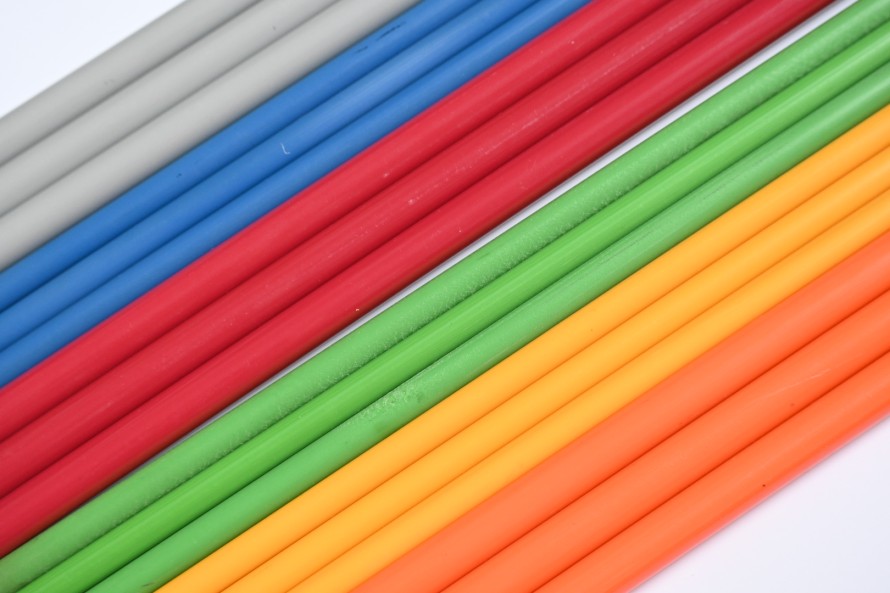
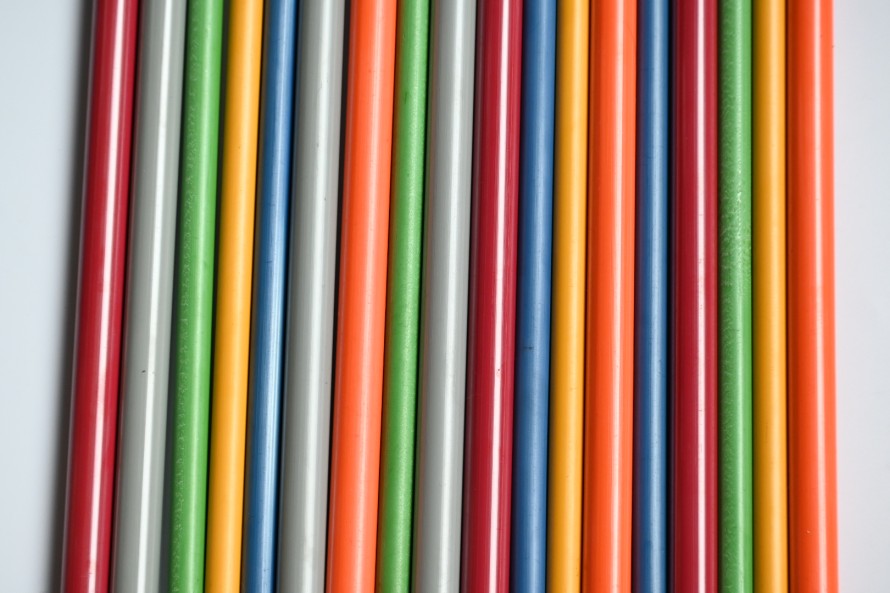
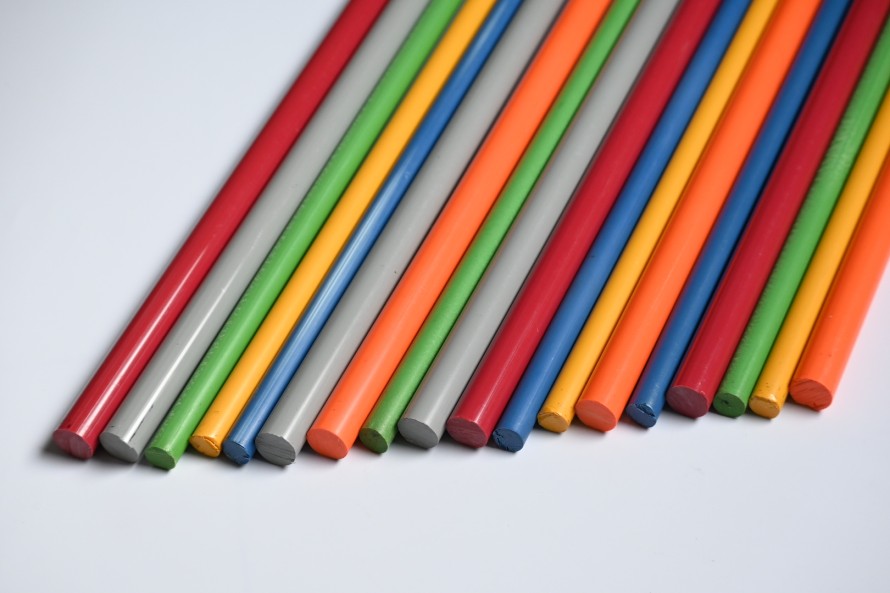
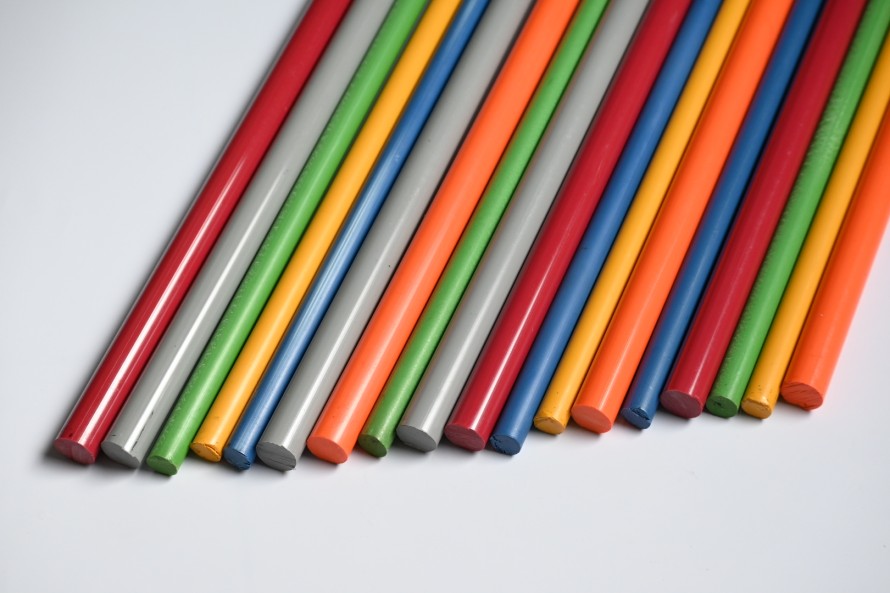
PPSU Polyphenylsulfone colorful round rod
Get Latest Price
You might also like







Basic Info
| Model No. | HONYPLAS-PPSU |
|---|---|
| Brand Name | HONYPLAS |
Product description
As a high-performance engineering plastic, PPSU rod offers heat resistance up to 180°C, chemical resistance and medical-grade safety, making it an ideal alternative to metal and standard plastics in the medical, food and electronics sectors; it performs particularly well in high-temperature, high-pressure sterilisation environments.
?
PPSU rods are high-performance engineering plastic profiles manufactured from polyphenylsulfone (PPSU) using processes such as extrusion and moulding. They are one of the most commonly used structural materials in industrial and medical applications. Combining stable physical properties, excellent processability and a high safety rating, they differ from ordinary plastic rods in that they can maintain long-term stability in complex environments, making them a representative engineering material in modern precision manufacturing, medical equipment and laboratory instruments. This article provides an objective overview of PPSU rods, covering their structure, properties, characteristics and applications, to facilitate a comprehensive understanding of this material.
?
From a chemical structural perspective, PPSU—short for polyphenylsulfone—is a non-crystalline thermoplastic engineering plastic, with its molecular backbone containing aromatic rings and sulphone groups. This structure endows the material with high rigidity and thermal stability, making it resistant to degradation, deformation or fracture under conditions such as high temperatures, humid heat and chemical exposure. This is the key factor distinguishing PPSU rods from general-purpose plastic rods such as ABS, PP and PVC. Similar to speciality engineering plastics such as PEEK and PEI, PPSU rods are positioned as medium-to-high-performance structural materials. Offering a good balance of performance and cost-effectiveness, they are widely used in applications where material stability is required but cost is a relatively significant consideration.
?
Thermal performance is one of the most notable characteristics of PPSU rods. They offer excellent heat resistance, with a continuous operating temperature of up to 180°C, and can withstand even higher temperatures for short periods, making them suitable for applications such as high-temperature steam and hot-air circulation. In sectors such as healthcare and food processing, where repeated high-temperature sterilisation is required, PPSU rods can withstand multiple cycles of high-pressure steam sterilisation. They are resistant to yellowing, deformation and brittle fracture during long-term use, and exhibit good dimensional stability. Furthermore, the material retains a certain degree of toughness in low-temperature environments and is unlikely to crack due to sudden temperature changes. With a wide temperature tolerance range, it meets the requirements for use in a variety of environments.
?
Resistance to hydrolysis and chemical corrosion forms the foundation for the widespread application of PPSU rods in humid and hot environments. Whilst ordinary plastics are prone to hydrolysis, swelling and a reduction in strength when exposed to hot water, steam or chemical solvents, PPSU rods demonstrate excellent resistance to hot water and high-pressure steam, showing little tendency to degrade or crack even after prolonged exposure. In chemical environments, it withstands most cleaning agents, disinfectants, weak acid and alkali solutions, and certain organic solvents, showing resistance to corrosion, discolouration or dissolution. It is therefore suitable for use in scenarios involving contact with chemical media, such as medical sterilisation, laboratories and cleaning equipment.
?
In terms of mechanical properties, PPSU rods offer excellent overall strength. They possess high impact strength, flexural strength and compressive strength, remaining stable under load and resistant to fracture in structural components. At the same time, the material possesses good toughness and will not fracture upon minor impacts, unlike some brittle engineering plastics, making it suitable for the manufacture of handheld components, brackets, casings, support structures and similar products. Compared to metal rods, PPSU rods have a lower density and are lighter in weight, effectively reducing the overall weight of equipment and enhancing portability; compared to ordinary plastic rods, their strength and durability are significantly improved, resulting in a longer service life.
?
Safety and hygiene performance are key requirements for PPSU rods to be used in medical and food-related applications. PPSU rods that meet medical-grade and food-contact standards are free from bisphenol A and possess excellent biocompatibility. Having passed relevant biosafety tests, they exhibit no significant cytotoxicity or allergenicity, making them suitable for components that come into indirect contact with the human body or food. In applications such as medical devices, care equipment, food processing utensils and laboratory apparatus, material safety is assured; the material does not release harmful substances due to high temperatures, humidity or prolonged use, and complies with industry regulations.
?
Machinability is another practical advantage of PPSU rods. As a thermoplastic material, it can undergo conventional mechanical processing such as turning, milling, drilling, grinding and engraving. It is moderately difficult to machine and can be used to produce structural components such as precision gears, brackets, handles, bases and inserts. The finished surface is smooth and dimensionally accurate, making it suitable for small-batch customisation and the production of precision components. Compared to certain high-performance plastics that are difficult to machine, PPSU rods place relatively modest demands on processing equipment and offer high machining efficiency, making them suitable for the diverse requirements of industrial production.
?
In terms of appearance and user experience, PPSU rods typically exhibit a light brown or amber hue, though they can be customised to colours such as blue or black as required. Blue PPSU rods are frequently used in medical settings, as they facilitate identification, cleaning, inspection and the classification of medical instruments. The material has a moderate surface gloss, is resistant to dust and stains, and is easy to clean, making it suitable for environments with high hygiene standards. Its appearance remains largely unchanged even after prolonged use, helping to maintain the overall neatness and professional appearance of the equipment.
?
In terms of applications, PPSU rods are used across a wide range of industries. In the medical equipment sector, they are commonly used for surgical instrument handles, brackets, trays, components for sterilisation boxes, and dental equipment accessories; in laboratories, they can be used to manufacture sample racks, reagent trays and structural components for laboratory equipment; in the food processing sector, it can be used for structural components in certain high-temperature and washable environments; whilst in the electronics and industrial sectors, it is suitable for insulating parts, support components, connector housings and cleaning equipment accessories in high-temperature environments. Its comprehensive performance enables it to perform effectively in scenarios where ordinary plastics are unsuitable and metals present issues such as excessive weight and susceptibility to corrosion.
?
Compared with other engineering plastics, PPSU rods occupy a distinct niche. Compared to general-purpose plastics such as PP and PC, they offer clear advantages in terms of heat resistance, hydrolysis resistance and chemical resistance; compared to higher-performance materials such as PEEK, they offer a cost advantage, making them suitable for large-scale adoption. Consequently, PPSU rods are regarded as mid-to-high-end engineering plastic profiles offering outstanding value for money, capable of meeting the requirements of most scenarios involving high temperatures, high humidity and stringent hygiene standards.
?
Overall, PPSU rod is an engineering plastic profile based on polyphenylsulfone, characterised by heat resistance, hydrolysis resistance, chemical resistance, moderate strength, safety and hygiene, and ease of processing. Its introduction has provided a stable material option—positioned between standard plastics and high-performance specialty plastics—for sectors such as healthcare, laboratories, food processing and electronics. It meets the requirements of complex environments whilst offering excellent practicality and cost-effectiveness. Understanding the fundamental properties of PPSU rods facilitates more rational and reliable decision-making during product design, equipment manufacturing and material selection, enabling the material to fulfil its intended functions and deliver its full value in appropriate applications.
?




Video
PPSU COLORFUL ROD
PPSU COLORFUL ROD
PPSU COLORFUL ROD
PPSU Polyphenylsulfone colorful round rod
Get Latest Price
Send your inquiry to this supplier
You may also be interested in
Product Categories
New products






Send Inquiry
Product Alert
Subscribe to your interested keywords. We will send freely the latest and hottest products to your Inbox. Don't miss any trade information.
Subscribe
Your use of this website constitutes acknowledgement and acceptance of our Terms & Conditions.
Copyright ? 2009-2026 Bossgoo Co., Ltd. All rights reserved.
版權(quán)所有 ? 寧波全貿(mào)信息技術(shù)有限公司 浙ICP備12012821號-1 浙B2-20200628
