
Search

Sign In Join Free






1 / 5
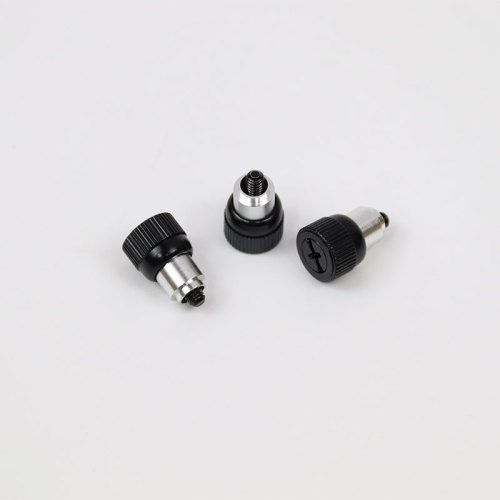
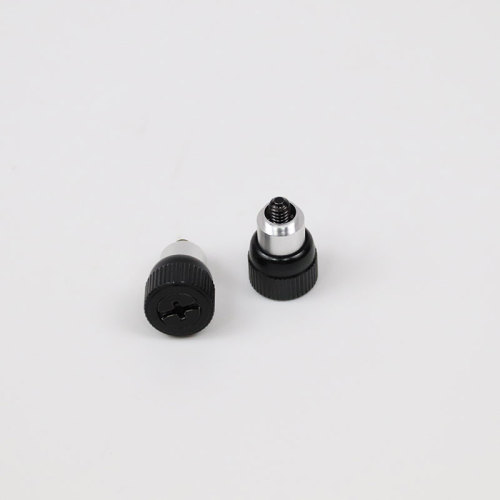
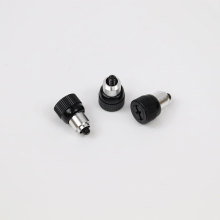
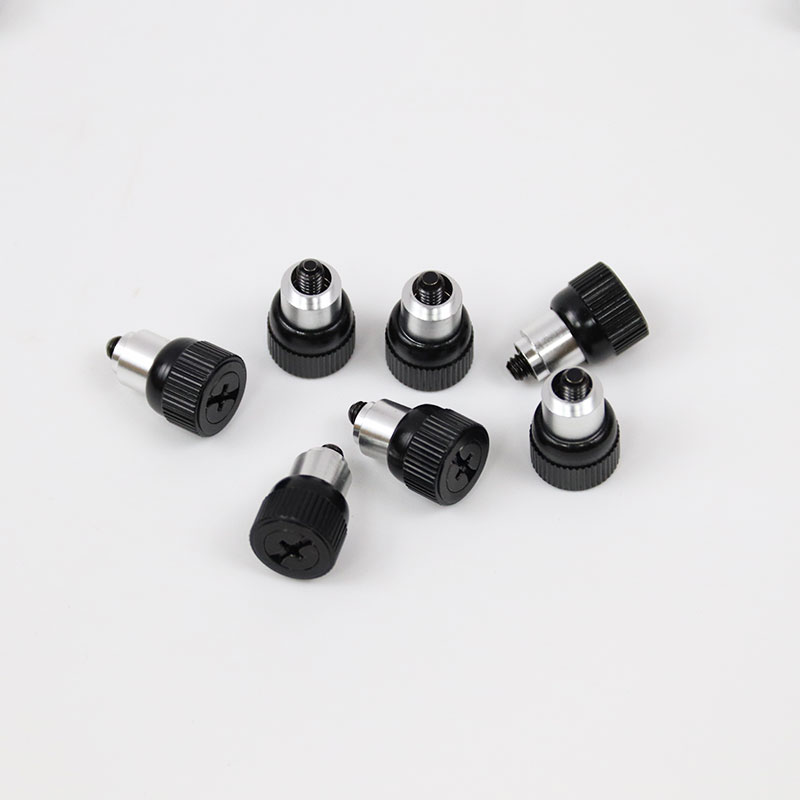
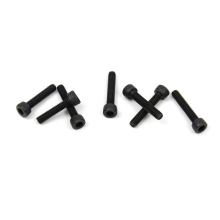
screws and fasteners
Material:
- Aluminum Alloy
Get Latest Price
You might also like

Basic Info
| Brand Name | Shuwen |
|---|---|
| place of origin | China |
Product description
Non-standard Aluminum Fasteners: Customized Solutions Empowering Precision Manufacturing in Industry
?
In the precision world of industrial manufacturing, every component plays an indispensable role. Fasteners, as the core "link" for connection and fixation, directly determine the stability, safety, and service life of products through their performance and adaptability. When standardized fasteners cannot meet the needs of special working conditions and personalized designs, non-standard aluminum fasteners, with their unique advantages such as lightweight, customization, and corrosion resistance, have become the ideal choice for many industries to overcome technical bottlenecks and achieve precision manufacturing.
?
I. What are Non-standard Aluminum Fasteners?
?
Non-standard aluminum fasteners, as opposed to standard fasteners, are aluminum fastening connectors that are customized and manufactured according to specific customer needs (such as size, shape, performance, and installation method). They break the limitations of "one-size-fits-all" standard parts, precisely matching the assembly requirements of special equipment, complex structures, or harsh working conditions. From fixing tiny electronic components to structural connections in large industrial equipment, non-standard aluminum fasteners can provide "tailor-made" solutions.
?
II. Core Advantages: Why Choose Non-standard Aluminum Fasteners? Compared to traditional steel fasteners or non-standard parts made of other materials, aluminum non-standard fasteners exhibit significant competitiveness in several aspects, making them the preferred choice for lightweight and demanding applications:
?
- Lightweight advantage, reducing overall load: Aluminum has a density of only 2.7 g/cm3, about one-third that of steel. Using aluminum non-standard fasteners can significantly reduce the overall weight of equipment or products. This characteristic is particularly important in weight-sensitive industries such as aerospace, rail transportation, and new energy vehicles, reducing energy consumption and improving equipment operating efficiency and control performance.
?
- Excellent corrosion resistance, adapting to complex environments: Aluminum naturally forms a dense oxide film in the air, effectively preventing further corrosion of the internal materials. With surface treatments such as anodizing and electrophoretic coating, its corrosion resistance can be further improved, enabling it to withstand harsh conditions such as humidity, acids, alkalis, and salt spray. It is widely used in marine equipment, outdoor communication base stations, chemical machinery, and other fields.
?
- Excellent machinability for complex customization: Aluminum possesses excellent plasticity and machinability, easily enabling complex structural designs such as irregular heads, special threads, multiple holes, and non-standard lengths. Whether cold heading, turning, milling, or stamping, non-standard aluminum fasteners can accurately reflect design drawings and meet customers' personalized assembly needs.
?
- Excellent thermal and electrical conductivity, expanding application scenarios: Aluminum has good thermal and electrical conductivity. In scenarios requiring heat dissipation or conductive connections (such as electronic equipment, heat dissipation modules, conductive connectors, etc.), non-standard aluminum fasteners not only provide fixation but also assist in achieving heat or electrical conduction, improving overall product performance.
?
- Controllable cost and outstanding cost-effectiveness: Under the premise of meeting specific performance requirements, the raw material and processing costs of non-standard aluminum fasteners are relatively controllable. Especially for medium-batch customization needs, their overall cost-effectiveness is far higher than high-end materials such as titanium alloys, helping companies upgrade products while controlling costs.

Taizhou TS HARDWARE Co., Ltd
- 5yrs


Taizhou,
Jiangsu,
China
- Distributor/Wholesaler
- Manufacturer
- Service
- Trade Company
- OEM service
screws and fasteners
Material:
- Aluminum Alloy
Get Latest Price
Send your inquiry to this supplier
You may also be interested in
Product Categories
New products




Send Inquiry
Product Alert
Subscribe to your interested keywords. We will send freely the latest and hottest products to your Inbox. Don't miss any trade information.
Subscribe
Your use of this website constitutes acknowledgement and acceptance of our Terms & Conditions.
Copyright ? 2009-2026 Bossgoo Co., Ltd. All rights reserved.
