
Search

Sign In Join Free





Video
1 / 7
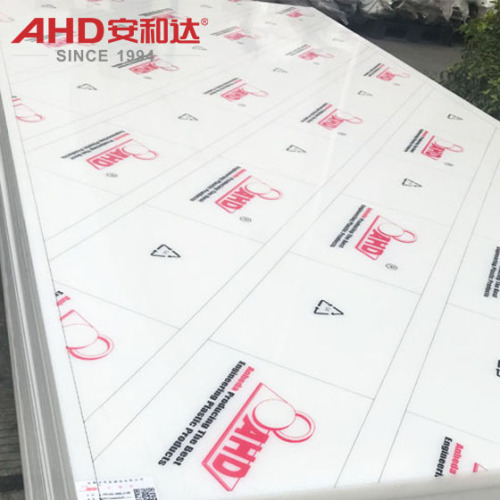
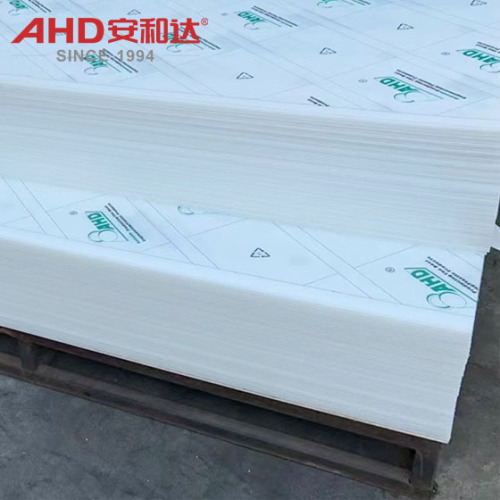
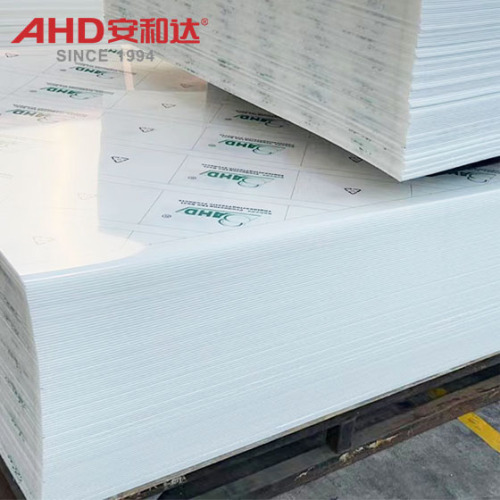
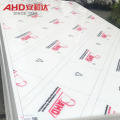
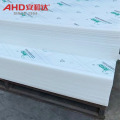
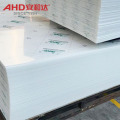
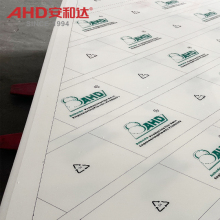
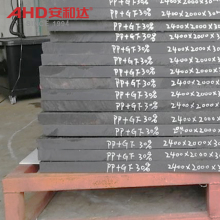
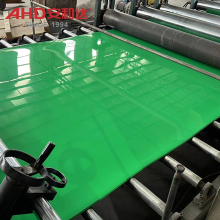
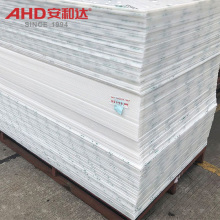
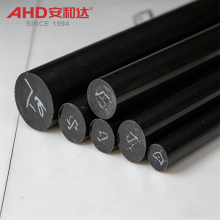
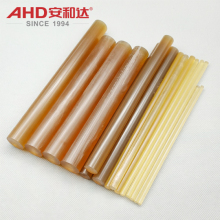
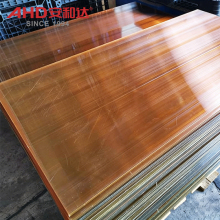
Solid Polypropylene Engineering PP Plastic Board
Get Latest Price
You might also like





Basic Info
| Model No. | AHD-PP Sheet |
|---|---|
| Brand Name | AHD |
| Material | Pp |
| Processing Service | Cutting, Moulding |
| place of origin | China |
| Thick/Dia (mm) | 1--150 |
| Size (mm) | 1000*2000 1300*2000 1220*2440 1500*3000 |
Show More
Product description
Solid Polypropylene Engineering PP Plastic Board
?
PP Sheet Classification
Based on the material formula, structure, and application, polypropylene sheet can be divided into the following common types:
?
1. Standard PP Sheet (Homopolymer PP)
Made from homopolymer polypropylene, it has high crystallinity and strong rigidity, but slightly lower toughness.
?
Suitable for general industrial applications such as protective panels, partitions, and linings.
?
2. Copolymer PP Sheet (Block/Random Copolymer PP)
Through copolymerization modification (such as the addition of ethylene monomer), impact toughness and low-temperature performance are improved.
?
Suitable for applications requiring impact resistance and low-temperature resistance, such as cold storage pallets and cryogenic containers.
?
3. Glass Fiber Reinforced PP Sheet
Glass fiber (GF10%, 20%, etc.) is added to improve rigidity, dimensional stability, and heat resistance.
?
Suitable for structural supports, mechanical parts, and high-temperature platforms.

?
4. Flame Retardant PP Sheet
Flame retardants are added to achieve flame retardancy ratings such as UL94 V-0/V-2.
?
Suitable for use in fire-resistant applications such as electrical equipment enclosures, rail transit, and public facilities.
?
5. Antistatic/Conductive PP Sheet
Adjustable surface resistance is achieved by adding antistatic agents or conductive materials such as carbon black.
?
Suitable for electronics factories, clean rooms, and anti-static workbenches.
?
6. Food-Grade/Medical-Grade PP Sheet
Complies with food contact safety standards such as FDA and LFGB, as well as relevant medical industry certifications.
?
Used for food processing, pharmaceutical packaging, and laboratory equipment.

How to Choose the Right Polypropylene Sheet?
?
Using Temperature
For room temperature, choose standard PP; for low temperature, choose copolymer PP or toughened PP; for high temperature, choose glass fiber reinforced PP.
?
Load Requirements
For high loads, choose thickened sheet or glass fiber reinforced sheet.
?
Chemical Media
Select oxidation and corrosion resistance based on the type of chemical contact.
?
Appearance Requirements
Requires color, printing, or transparency.
?
Hygiene Requirements
For food/medical applications, choose FDA/medical-certified grades.
?
Processing Methods
Select process-friendly options for bending, welding, engraving, etc.




Video
Solid Polypropylene Engineering PP Plastic Board
Solid Polypropylene Engineering PP Plastic Board
Solid Polypropylene Engineering PP Plastic Board
Solid Polypropylene Engineering PP Plastic Board
Get Latest Price
Send your inquiry to this supplier
You may also be interested in
- Polypropylene Material
- Virgin Material
- Polypropylene Sheet
- polypropylene raw material
- Extruded Polypropylene Sheet
- polypropylene corrugated sheet
- Corrugated Polypropylene Sheet
- Sheet Material
- material sheet
- polypropylene hollow sheet
- polypropylene pp sheet
- virgin teflon sheet
- virgin ptfe sheet
- virgin PVC sheet
- PTFE virgin sheet
Product Categories
New products


Send Inquiry
Product Alert
Subscribe to your interested keywords. We will send freely the latest and hottest products to your Inbox. Don't miss any trade information.
Subscribe
Your use of this website constitutes acknowledgement and acceptance of our Terms & Conditions.
Copyright ? 2009-2026 Bossgoo Co., Ltd. All rights reserved.
