
Search

Sign In Join Free


1 / 3
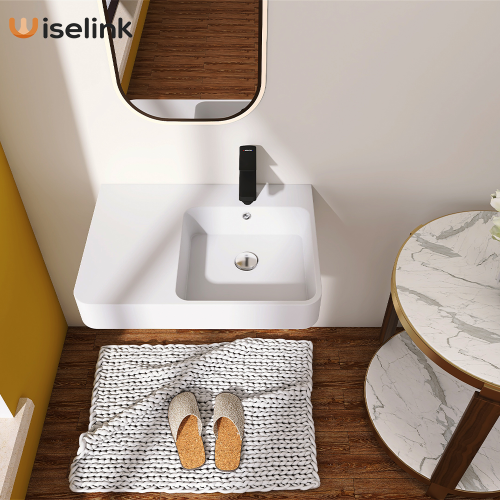
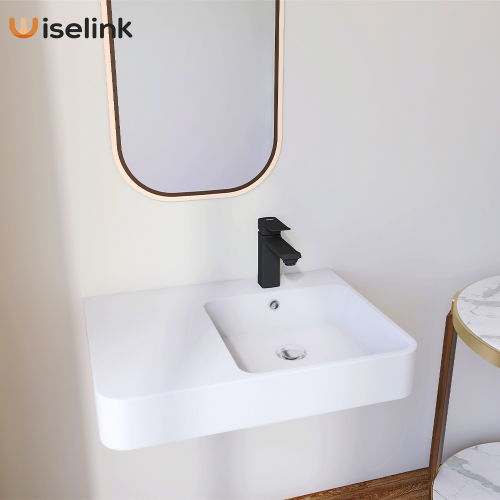
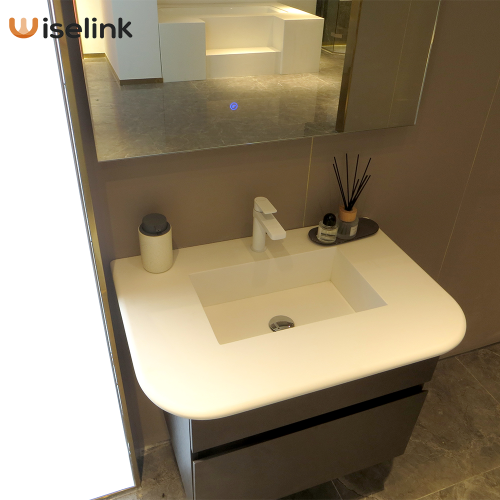
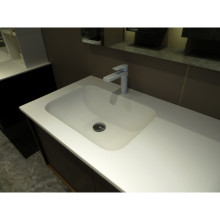
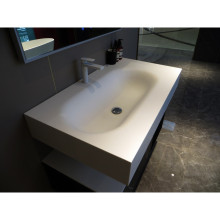
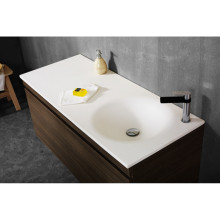
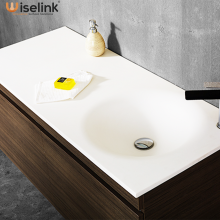
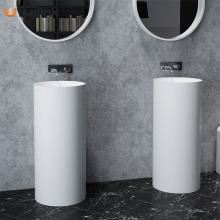
solid surface customized bathroom sink basin
Get Latest Price
You might also like





Basic Info
Product description
Why Choose Solid Surface Bathroom Sinks?
Solid Surface Material Benefits
Solid surface bathroom sinks are molded in one piece. Liquid material fills a mold, hardens, and forms a seamless unit. This process creates no joints or gaps. Solid surface resists mold, stains, and scratches. It feels smooth and looks modern. Colors and patterns stay bright for years.
Common Solid Surface Sink Types
Wall Hung Basin: Fixed to walls. Saves floor space. Easy to clean under.
Counter Top Basin: Rests on vanity counters. Fits traditional or modern styles.
Undermount Sink: Attached under countertops. Creates a flush surface.
?

Top Reasons to Pick Solid Surface
No Joints: Molded sinks have no seams. Dirt and bacteria cannot hide.
Easy Repairs: Small scratches are sanded away. No need to replace the whole sink.
Custom Shapes: Ovals, rectangles, or asymmetrical designs fit unique bathrooms.
Heat Resistance: Hot tools (like hair straighteners) won’t damage the surface.
Key Selection Tips
Check cabinet sizes before buying a counter top basin. Wall-mounted wall hung basin models need strong wall brackets. Note faucet hole positions. Pre-drilled holes save installation time.
Solid surface sinks come in white, gray, black, or bold shades. Glossy finishes suit modern bathrooms. Matte finishes hide water spots. Patterns like marble veins or speckles add style.
Check Drain Placement
Center drains work for most sinks. Offset drains fit tight spaces. Confirm drain size . Buy compatible drain pipes.
Test Compatibility
Ensure the sink matches your countertop material. Solid surface sinks pair well with solid surface countertops. Avoid mixing materials like wood or tile. This prevents uneven wear.
Installation Steps
Wall Hung Basin: Install wall brackets first. Secure the basin with screws. Connect pipes.
Counter Top Basin: Cut a hole in the countertop. Drop the basin in. Seal edges with silicone.
Undermount Sink: Fix it under the countertop with clips. Seal gaps thoroughly.
Avoid These Mistakes
Placing heavy objects on thin-edged sinks.
Using sharp tools to clear clogged drains.
Ignoring leaks around faucet bases.
Final Checks
Inspect the sink for cracks or color flaws. Test water flow with a temporary setup. Keep extra sealant for future fixes.



solid surface customized bathroom sink basin
Get Latest Price
Send your inquiry to this supplier
You may also be interested in
Product Categories
New products

Send Inquiry
Product Alert
Subscribe to your interested keywords. We will send freely the latest and hottest products to your Inbox. Don't miss any trade information.
Subscribe
Your use of this website constitutes acknowledgement and acceptance of our Terms & Conditions.
Copyright ? 2009-2026 Bossgoo Co., Ltd. All rights reserved.
