
Search

Sign In Join Free


1 / 3
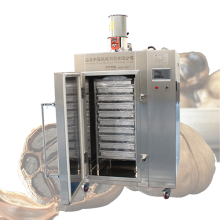
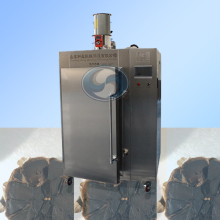
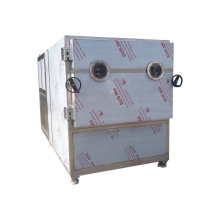
Sunflower Seed Pickling and Rolling Machine
Get Latest Price
You might also like



Basic Info
| Brand Name | HEYING |
|---|
Product description
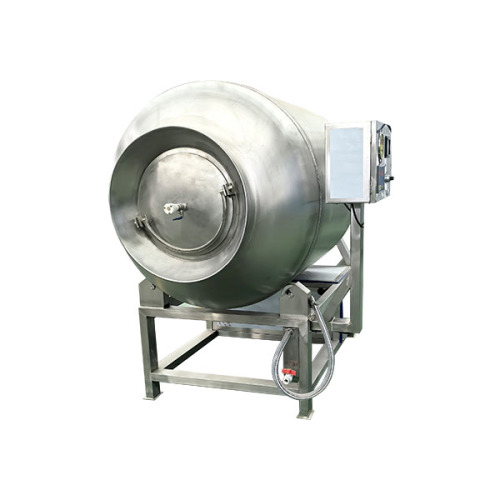
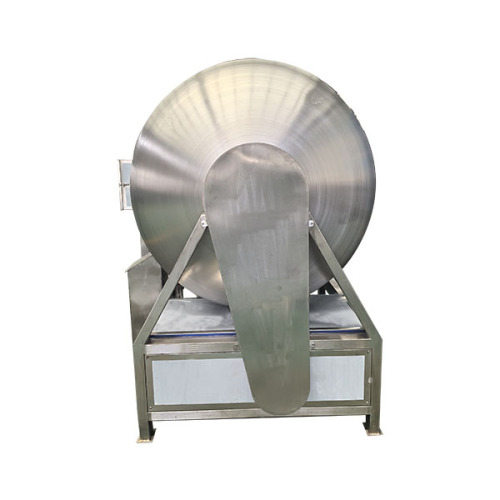
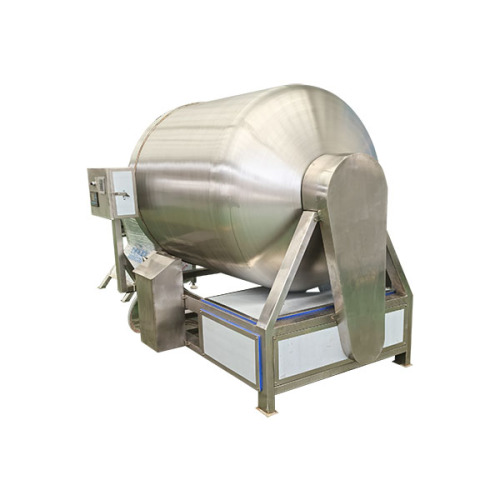
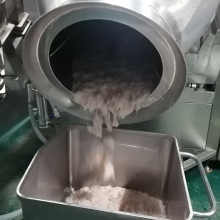
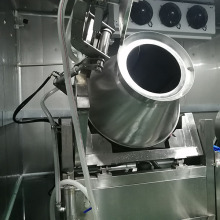
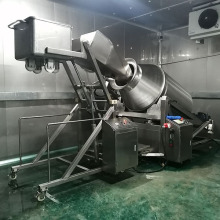
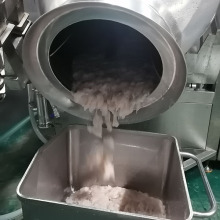
Vacuum rolling machine is also called Vacuum Tumbler Machine.It is? a professional equipment used for food processing, especially meat processing, mainly for the process of marinating, tenderizing, and seasoning meat. It accelerates the penetration of marinade and improves the taste and quality of meat through the mechanical action of vacuum environment and drum.
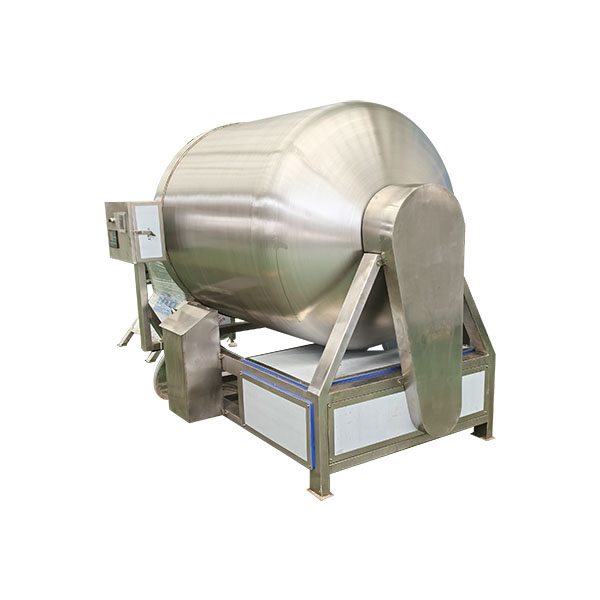
Major Function?
Pickling acceleration
In a vacuum environment, the air in the meat is extracted, creating negative pressure that promotes the rapid penetration of the marinade into the flesh fibers, shortening the marinating time (traditional marinating takes several hours to a day, while vacuum rolling can shorten it to several tens of minutes).
?
Tender meat texture
The rotation of the Vacuum Meat Tumbler Marinator drum causes the meat pieces to collide and fall against each other, damaging the muscle fiber tissue, improving the tenderness and water retention of the meat, and avoiding dry wood in the finished product.
Improve yield rate
The vacuum environment prevents meat oxidation, retains more moisture, and makes the finished product more tender and juicy, reducing weight loss (such as increasing the yield of ham and sausage by 5% to 10%).
Uniform mixing
Ensure that marinades, additives (such as phosphates), or seasonings (such as starch) are evenly mixed with meat to avoid clumping or uneven flavor.
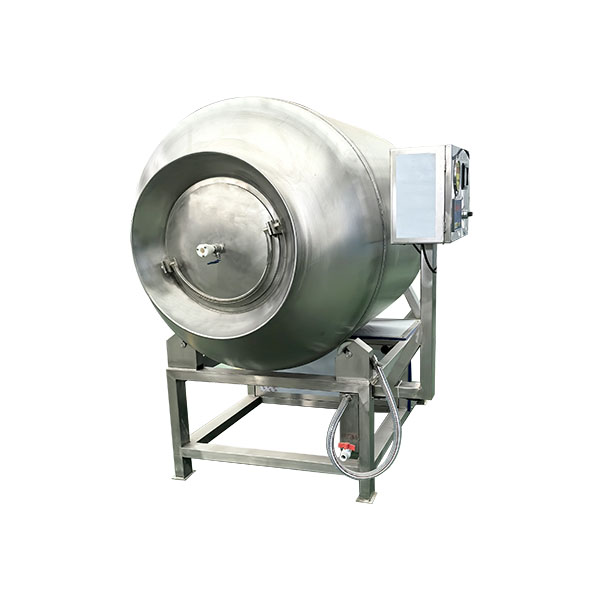
?
Core structure
Vacuum system: Vacuum pumping device (usually with a vacuum degree controlled between -0.08 and -0.09 MPa).
Drum: Made of stainless steel material, capable of forward and reverse rotation, equipped with baffles or blades to enhance the kneading effect.
Control system: adjust the speed, time, vacuum degree, and intermittent rolling (such as "rotate for 10 minutes and stop for 5 minutes").
Cooling option: Some models come with cooling function to prevent friction heating from affecting meat quality.
?
Application scenarios
Meat processing: ham, bacon, chicken cutlets, beef chunks, grilled meat, etc.
Pre made dishes: ready to eat chicken breast, seasoned steak, and other products that require quick seasoning.
Laboratory: Used for food technology research and development, testing the effects of different rolling parameters on meat quality.
?
?

Zhucheng Tongxi Commercial And Trade Co.,Ltd.
- 10yrs


Weifang,
Shandong,
China
- Manufacturer
- Trade Company
Sunflower Seed Pickling and Rolling Machine
Get Latest Price
Send your inquiry to this supplier
You may also be interested in
- sunflower seed cleaner
- Sunflower Seed Oil
- Oil Sunflower Seed
- Sunflower Seed Kernels
- sunflower seed sheller
- organic sunflower seed
- sell sunflower seed
- sunflower seed extract
- sunflower seed market
- sunflower seed wholesalers
- confectionery sunflower seed
- hulled sunflower seed
- roasted sunflower seed
- sunflower hybrid seed
- Sunflower Seed Dehuller
Product Categories
Hot products


New products




Send Inquiry
Product Alert
Subscribe to your interested keywords. We will send freely the latest and hottest products to your Inbox. Don't miss any trade information.
Subscribe
Your use of this website constitutes acknowledgement and acceptance of our Terms & Conditions.
Copyright ? 2009-2026 Bossgoo Co., Ltd. All rights reserved.
