
Search

Sign In Join Free
1 / 1
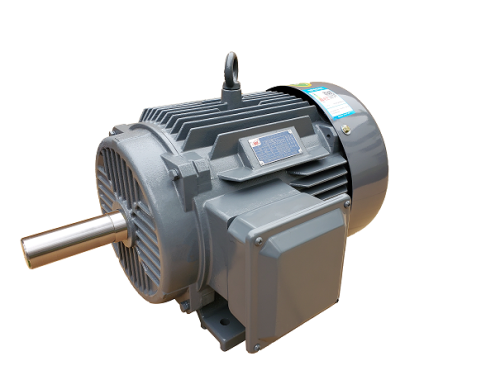
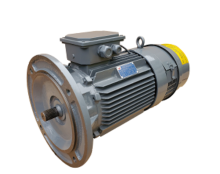
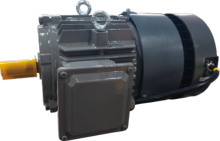
Variable Frequency Asynchronous Motor
Get Latest Price
You might also like
Basic Info
Product description
Variable Frequency Asynchronous Motor | Built for VFD compatibility & long-lasting performance. This asynchronous motor 3 phase delivers stable operation across speed ranges, minimizing torque pulsations. Perfect for industrial automation. Discover our range and request a customized solution now.
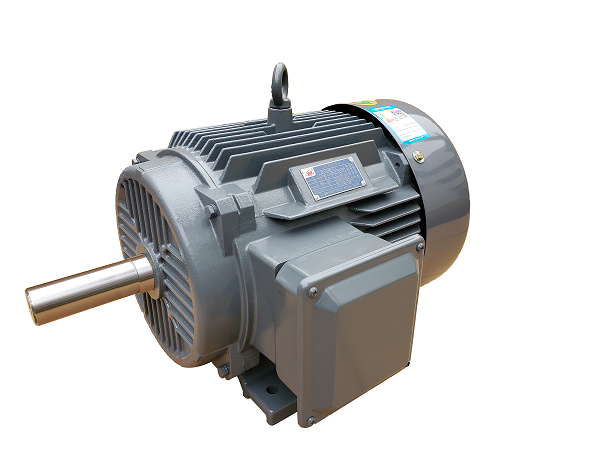
What is a Variable Frequency Asynchronous Motor?
?
A Variable Frequency Asynchronous Motor (VFAM) combines a standard AC induction motor with an advanced variable frequency drive (VFD). This system enables precise control of motor speed and torque. Industries use these motors to optimize energy consumption and enhance operational efficiency.
?
Professional Variable Frequency Asynchronous Motor Manufacturer In China
?
Since 1965, lIYUAN has been dedicated to providing high-efficiency variable frequency asynchronous motors (VFAMs) for precise control of industrial equipment. This high-efficiency motor integrates variable frequency drive (VFD) technology, which dynamically adjusts speed and torque according to operational needs. Therefore, thanks to these performance advantages, it is widely used in pumps, fans, compressors, and conveying systems, effectively reducing energy waste and minimizing mechanical wear.
?
Variable Frequency Asynchronous Motors Features & Advantages
1. Energy Efficiency Optimization
?
VFAM systems reduce power consumption by 30-50%. Motors adjust their speed according to actual load requirements. This eliminates energy waste during partial-load operation. Manufacturing plants achieve substantial cost savings through this adaptive technology.
?
2. Precision Control Enhancement
?
Variable frequency drives provide smooth acceleration and deceleration. This feature minimizes mechanical stress on equipment. Production lines maintain consistent quality through stable speed regulation. The system prevents product damage caused by sudden starts or stops.
?
3. Maintenance Cost Reduction
?
VFAM technology extends equipment lifespan by 40%. Soft-start capability reduces wear on mechanical components. Motors experience fewer breakdowns and require less frequent repairs. Facilities report lower maintenance expenses and reduced downtime.
?
4. Adaptability to Various Applications
?
These motors support multiple industrial applications. Common uses include pump systems, ventilation fans, and conveyor belts. The technology adapts to different power requirements and operational conditions. Users achieve reliable performance across diverse working environments.
?
Variable Frequency Asynchronous Motor Basic Parameter

?
?Product Structure and Installation Method
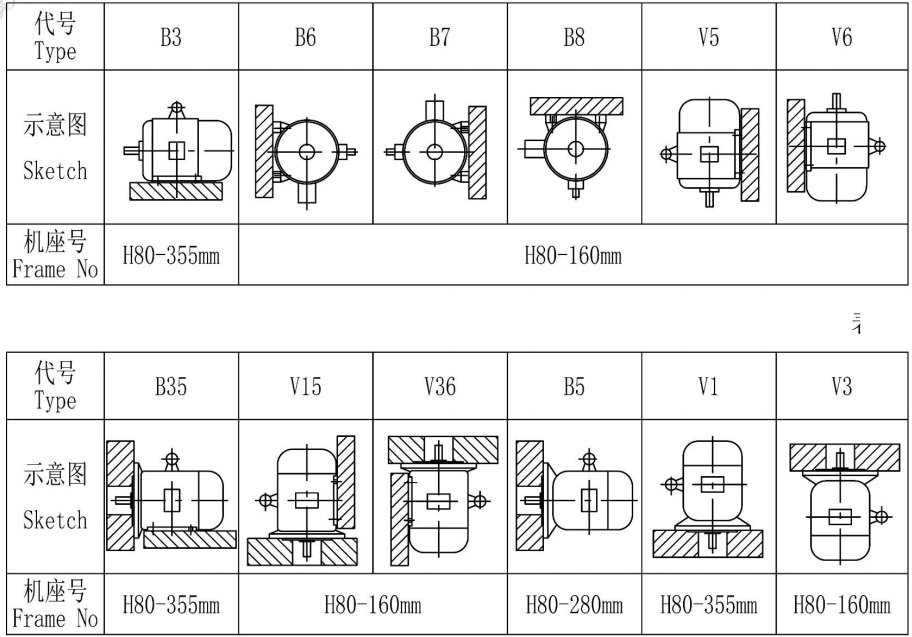
Variable Frequency Asynchronous Motor Manufacturing Main FAQs
1. How does VFAM technology reduce energy costs?
?
VFAM systems match motor speed to actual load demands. This eliminates energy waste during low-production periods. The technology maintains optimal efficiency across various operating conditions. Users typically recover investment costs within 12-24 months through energy savings.
?
2. What maintenance does a VFD motor system require?
?
Regular maintenance includes cleaning air vents and checking electrical connections. Technicians should monitor heat dissipation and verify parameter settings. The system requires periodic inspection of power cables and control circuits. Proper maintenance ensures continuous reliable operation.
?
3. Can existing motors be converted to VFAM systems?
?
Most standard asynchronous motors accept VFD integration. The conversion requires adding a compatible frequency converter and control system. Professional assessment determines necessary modifications and optimal component selection. Retrofitting provides cost-effective efficiency improvements.
?
4. What protection features do VFAM systems include?
?
Modern systems incorporate multiple protection mechanisms. These include overload protection, phase failure detection, and overheating prevention. The technology provides voltage stabilization and short-circuit protection. Advanced monitoring systems alert operators to potential issues.
?
5. How do VFAM systems improve process control?
?
Digital control enables precise speed adjustment and torque regulation. Operators can program acceleration patterns and operating sequences. The system maintains consistent performance under varying load conditions. Integration with automation systems enables complete process optimization.
?


Variable Frequency Asynchronous Motor
Get Latest Price
Send your inquiry to this supplier
You may also be interested in
- energy efficient
- delta ac motor drive
- AC drive
- Energy Efficient Lamp
- Energy Efficient Light
- energy efficient dryers
- energy efficient floodlights
- energy efficient window
- energy efficient dehumidifier
- energy efficient heaters
- energy efficient lighting
- energy efficient solutions
- energy efficient appliances
- energy efficient heater
- energy efficient refrigerators
Product Categories
New products

Send Inquiry
Product Alert
Subscribe to your interested keywords. We will send freely the latest and hottest products to your Inbox. Don't miss any trade information.
Subscribe
Your use of this website constitutes acknowledgement and acceptance of our Terms & Conditions.
Copyright ? 2009-2026 Bossgoo Co., Ltd. All rights reserved.
