
Search

Sign In Join Free


1 / 4
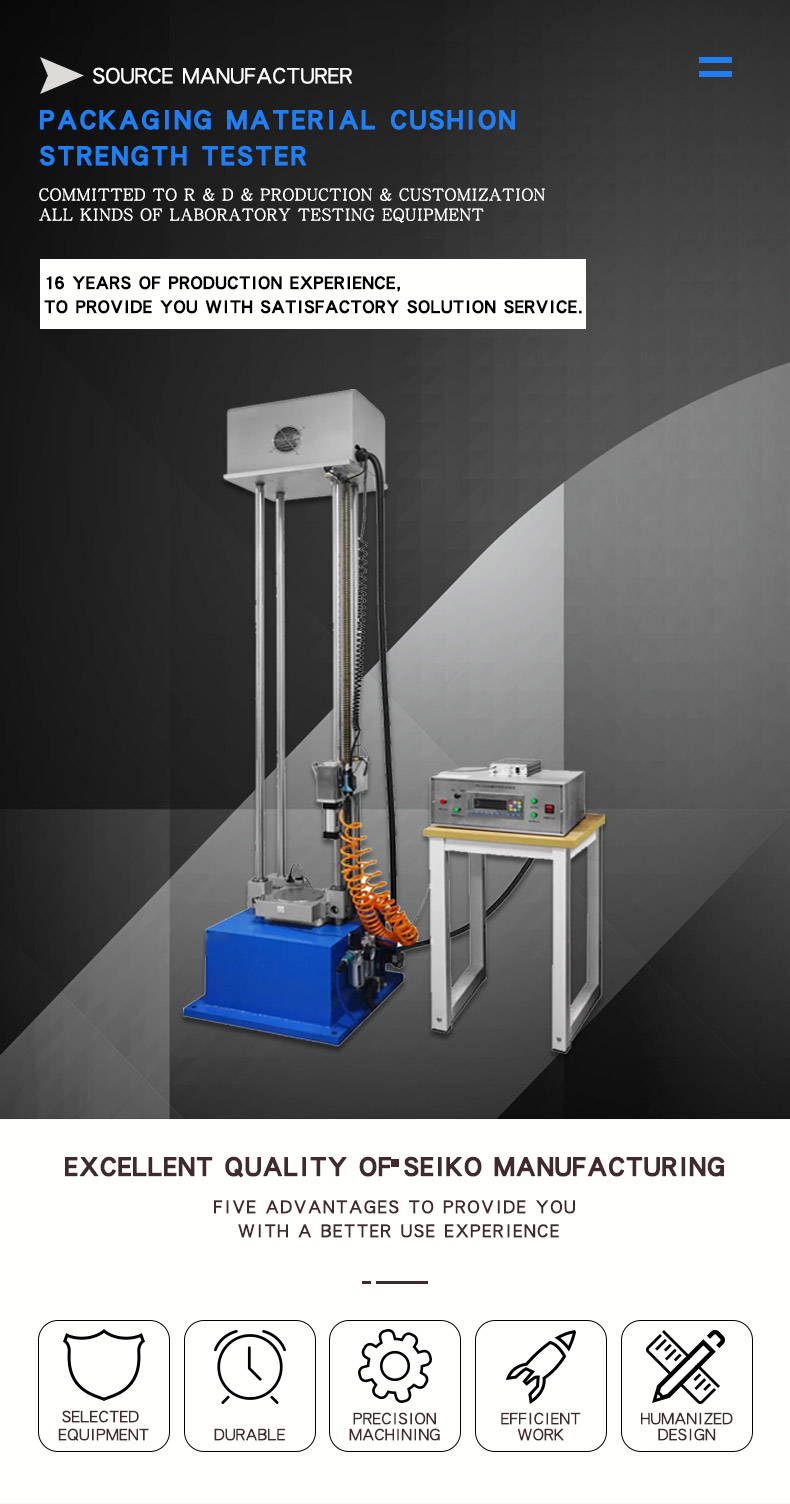
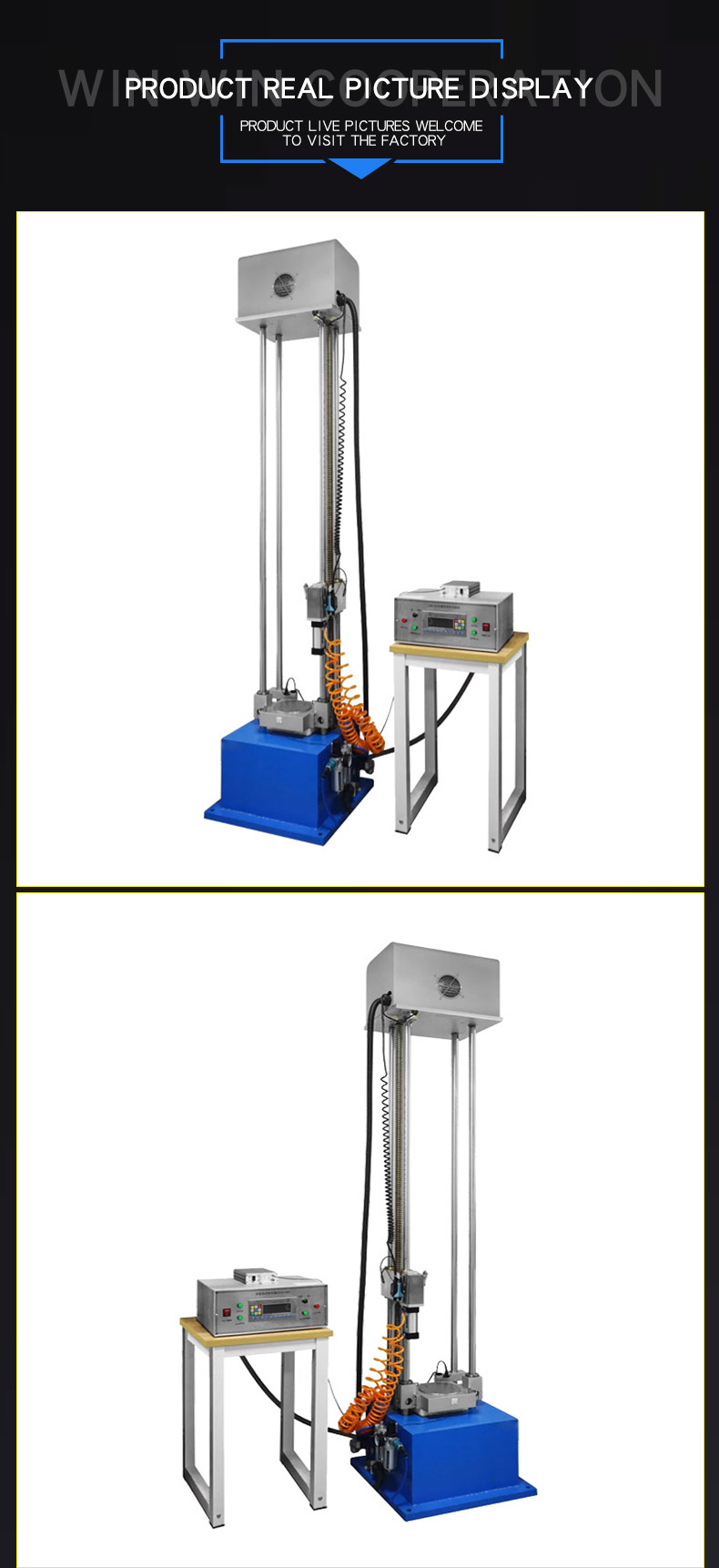
Dynamic Performance Testing Machine for Evaluating Cushioning Strength in Packaging Materials
$199.00
~ $4999.00
/ set
use:
- A type
- B type
- C type
- D type
Get Latest Price
You might also like






Basic Info
| Warranty | 1 Year |
|---|---|
| Customized Support | OBM, ODM, OEM |
| Place Of Origin | Guangdong, China |
| Brand Name | Hongjin |
| power | Electronic |
Show More
Product description
Product Paramenters
Product Introduction
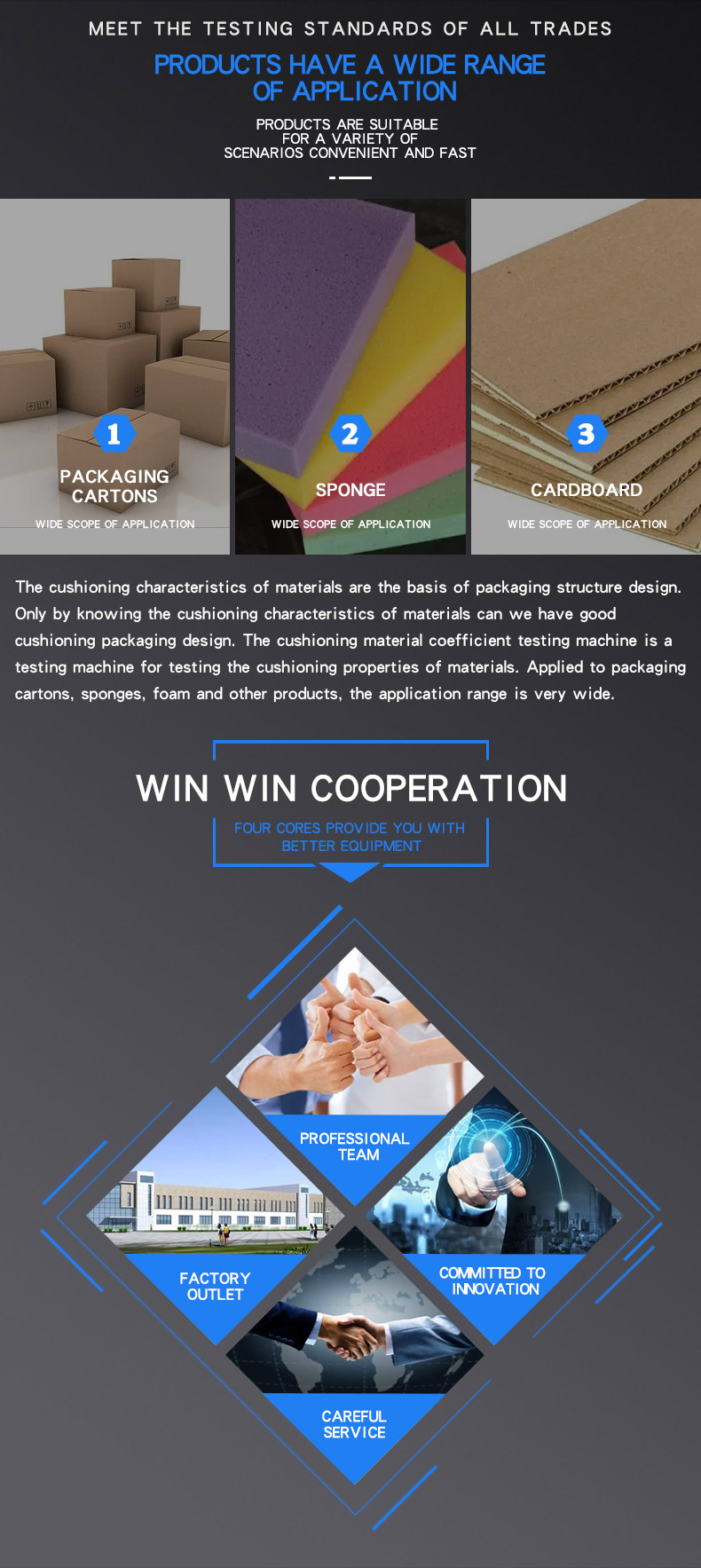
Packaging Material Cushioning Strength Tester Dynamic Performance Testing Machine for Cushioning Packaging Material The cushioning characteristics of materials are the basis of packaging structure design. Only by knowing the cushioning
characteristics of materials can we have good cushioning packaging design. The cushioning material coefficient testing machine is a testing machine for testing the cushioning properties of materials. Applied to packaging cartons, sponges, foam and other products, the application range is very wide.
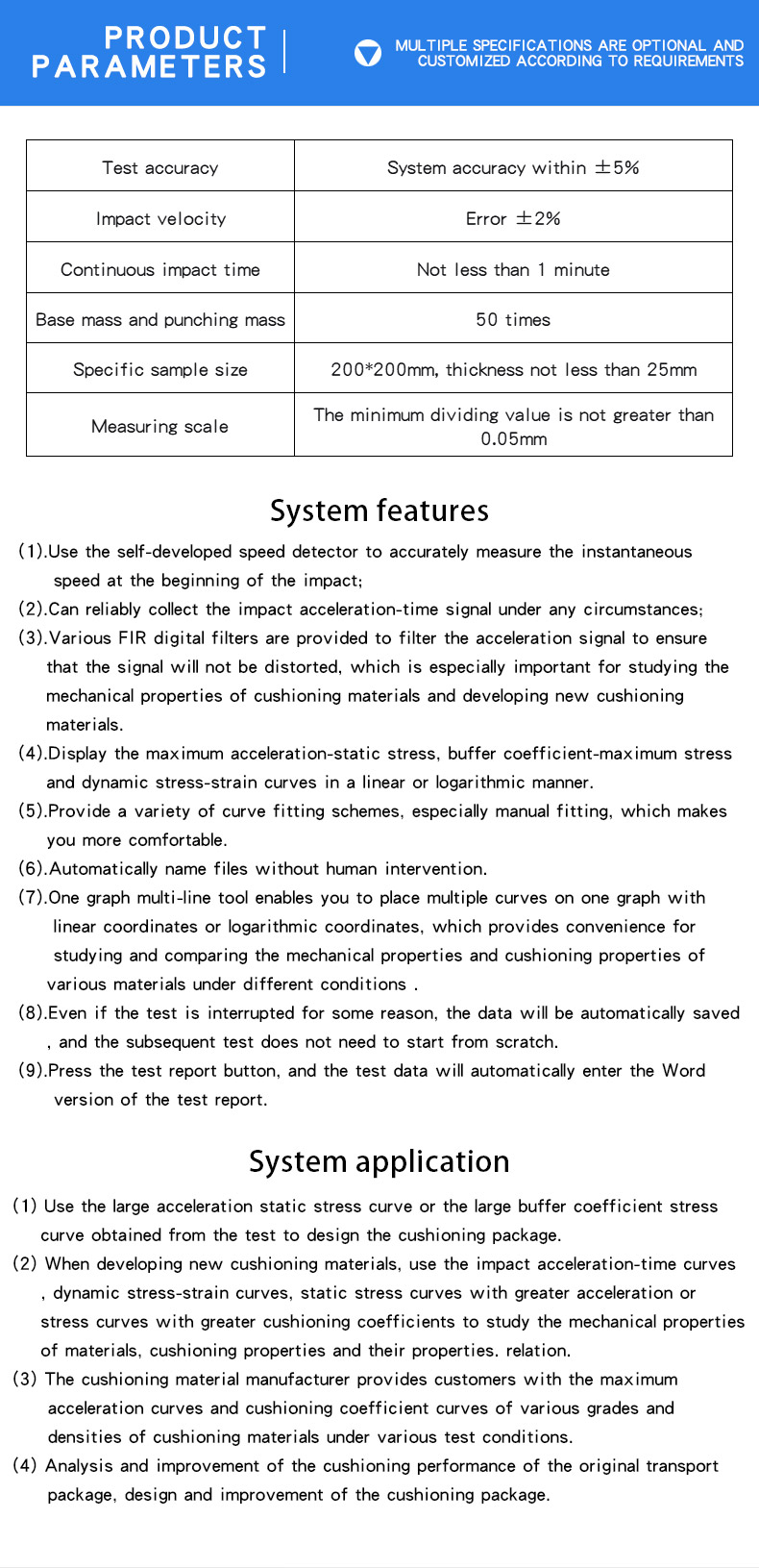
System features
(1).Use the self-developed speed detector to accurately measure the instantaneous speed at the beginning of the impact;(2).Canreliably collect the impact acceleration-time signal under any circumstances;
(3).Various FIR digital filters are provided to filter the acceleration signal to ensure that the signal will not be distorted, which is especially important for studying the mechanical properties of cushioning materials and developing new cushioning materials.
(4).Display the maximum acceleration-static stress, buffer coefficient-maximum stress and dynamic stress-strain curves in a linear or logarithmic manner.
(5).Provide a variety of curve fitting schemes, especially manual fitting, which makes you more comfortable.(6).Automatically name files without human intervention.
(7).One graph multi-line tool enables you to place multiple curves on one graph with linear coordinates or logarithmic coordinates, which provides convenience for studying and comparing the mechanical properties and cushioning properties of various materials under different conditions.
(8).Even if the test is interrupted for some reason, the data will be automatically saved ,and the subsequent test does not need to start from scratch.
(9).Press the test report button, and the test data will automatically enter the Wordversion of the test report.
System application
(1) Use the large acceleration static stress curve or the large buffer coefficient stress curve obtained from the test to design the cushioning package.
(2) When developing new cushioning materials, use the impact acceleration-time curves , dynamic stress-strain curves, static stress curves with greater acceleration orstress curves with greater cushioning coefficients to study the mechanical properties of materials, cushioning properties and their properties. relation.
(3) The cushioning material manufacturer provides customers with the maximum acceleration curves and cushioning coefficient curves of various grades and densities of cushioning materials under various test conditions.
(4) Analysis and improvement of the cushioning performance of the original transport package, design and improvement of the cushioning package.
Test accuracy | System accuracy within ±5% | ||||||
Impact velocity | Error ±2% | ||||||
Continuous impact time | Not less than 1 minute | ||||||
Base mass and punching mass | 50 times | ||||||
Specific sample size | 200*200mm, thickness not less than 25mm | ||||||
Measuring scale | The minimum dividing value is not greater than0.05mm | ||||||
Products Description
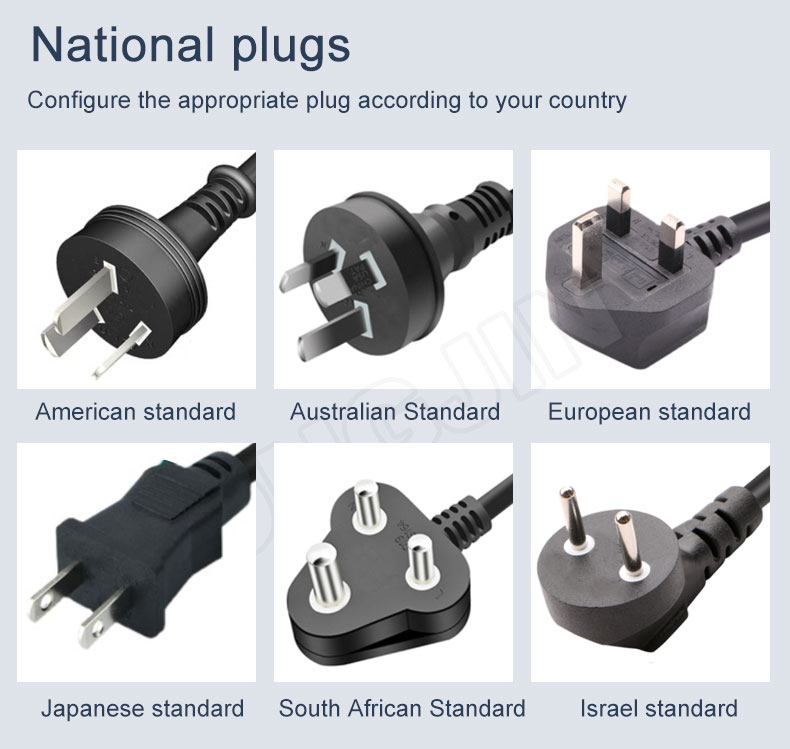
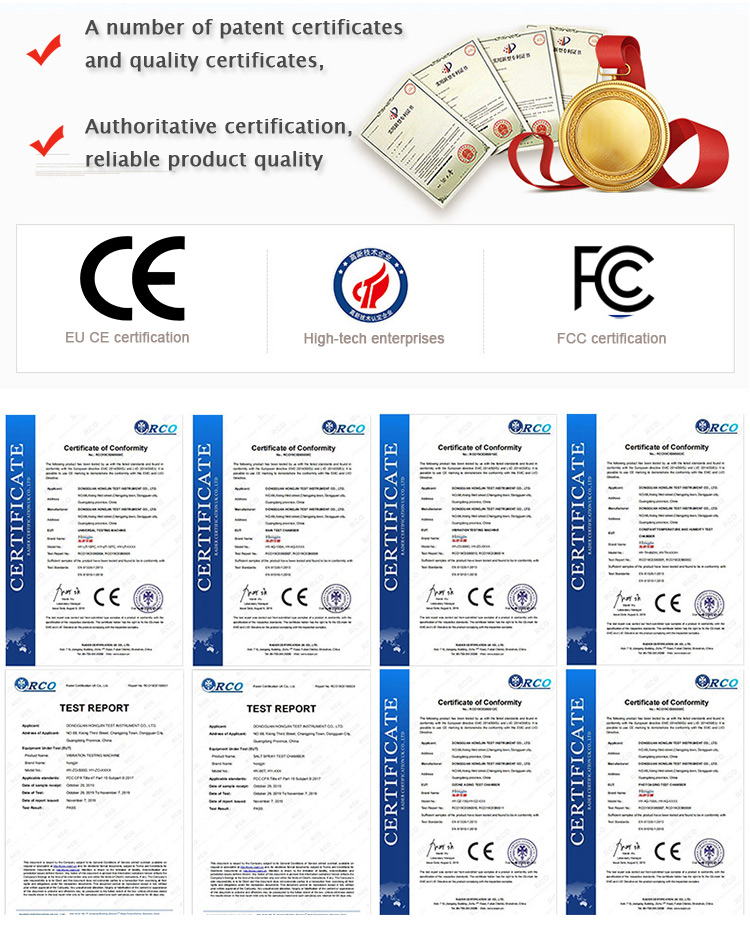
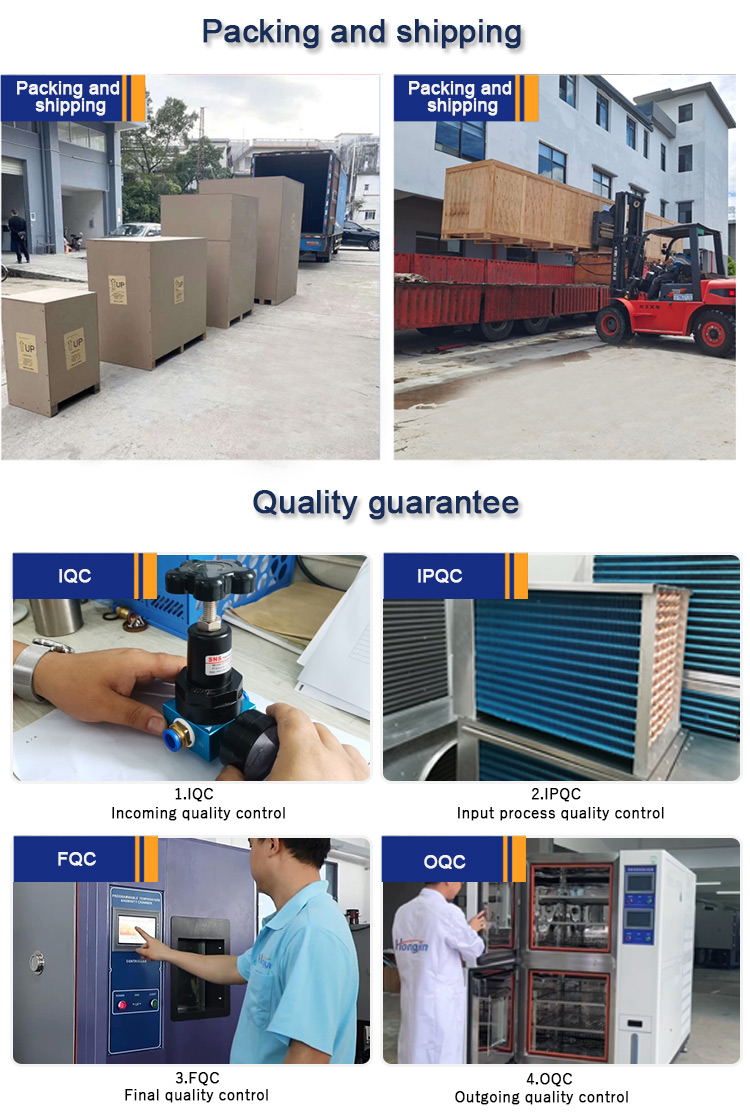


Intimate voltage serviceConsiderate Service Different countries plugs, manually change the-voltage from 110V to 220V, insurance
indicator.
Excellent After sale Service
12 months warranty. Besides, we can help you to repair your problem controller freely, Free
replacement parts, even it's not from our factory's. What you need to do is to send us the controller.We can offer operation video
and English operation muanual. We can provide video-con
Feel free to contact
Please feel FREE to contact us if you have any needs. And welcome to visit our OFFICIAL WEBSITE at:
https://www.hongjin-group.net/
If you want to know more information...
Please leave a message below and click " CONTACT SUPPLIER " Thanks for your time and
attention!
indicator.
Excellent After sale Service
12 months warranty. Besides, we can help you to repair your problem controller freely, Free
replacement parts, even it's not from our factory's. What you need to do is to send us the controller.We can offer operation video
and English operation muanual. We can provide video-con
Feel free to contact
Please feel FREE to contact us if you have any needs. And welcome to visit our OFFICIAL WEBSITE at:
https://www.hongjin-group.net/
If you want to know more information...
Please leave a message below and click " CONTACT SUPPLIER " Thanks for your time and
attention!
Title goes here.
Semi-Automatic PET Bottle Blowing Machine Bottle Making Machine Bottle Moulding Machine
PET Bottle Making Machine is suitable for producing PET plastic containers and bottles in all shapes.
Title goes here.
Semi-Automatic PET Bottle Blowing Machine Bottle Making Machine Bottle Moulding Machine
PET Bottle Making Machine is suitable for producing PET plastic containers and bottles in all shapes.
Dynamic Performance Testing Machine for Evaluating Cushioning Strength in Packaging Materials
$199.00
~ $4999.00
/ set
use:
- A type
- B type
- C type
- D type
Get Latest Price
Send your inquiry to this supplier
You may also be interested in
- Carton Packaging
- packaging tester
- Material Strength Tester
- packaging material
- material packaging
- equipment packaging
- electric packaging carton
- Food Packaging Carton
- carton packaging box
- carton packaging machine
- medicine packaging carton
- packaging equipment
- carton packaging machines
- carton packaging line
- corrugated carton packaging
Product Categories
New products


Send Inquiry
Product Alert
Subscribe to your interested keywords. We will send freely the latest and hottest products to your Inbox. Don't miss any trade information.
Subscribe
Your use of this website constitutes acknowledgement and acceptance of our Terms & Conditions.
Copyright ? 2009-2026 Bossgoo Co., Ltd. All rights reserved.
