
Search

Sign In Join Free





1 / 4
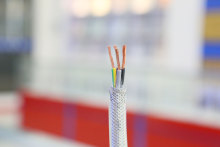
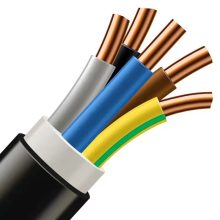
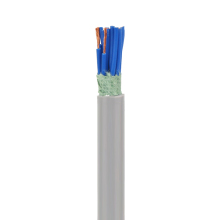
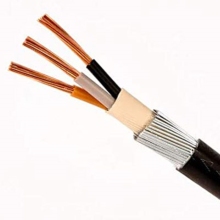
Shielded flexible control cable
Get Latest Price
You might also like



Basic Info
| Brand Name | BDK |
|---|
Product description
?
Shielded flexible control cable is a high-performance multi-core cable solution designed for flexible installation and reliable signal transmission in complex industrial, commercial, and public infrastructure environments. Combining flexibility, EMI/RFI shielding, and durability, it fully complies with global industrial safety standards and has earned the trust of overseas B2B buyers thanks to its stable performance, wide adaptability, and compatibility with standard CY fittings.
?
1.What is BDK Shielded Flexible Control Cable
?
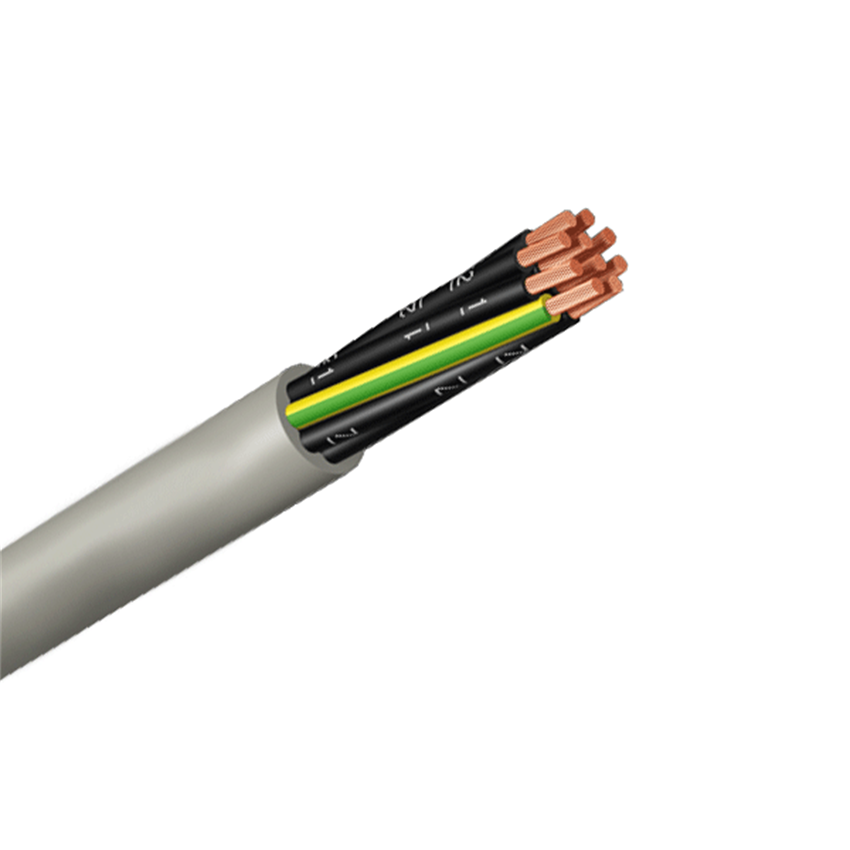
BDK Shielded Flexible Control Cable is a specialized Control Cable that combines exceptional flexibility and advanced anti-interference performance. Unlike ordinary rigid control cables, it features excellent bending resistance, allowing easy installation in narrow spaces, equipment gaps and complex routing scenarios. Equipped with a professional shielding structure, it effectively blocks external electromagnetic interference, ensuring clear and stable control signal transmission, making it ideal for scenarios requiring both flexibility and signal integrity.
?

2.Structural Features
?
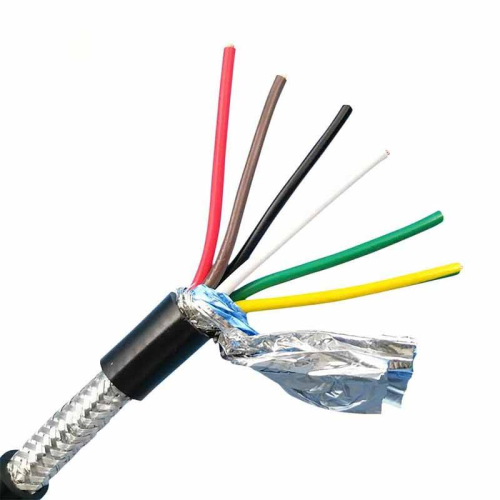
The cable adopts a scientific layered structure to balance flexibility, shielding performance and durability. The innermost layer is a stranded high-purity copper conductor, which enhances flexibility while ensuring excellent electrical conductivity and minimal signal attenuation. The conductor is wrapped with a high-quality insulation layer, effectively isolating current and preventing short circuits. Outside the insulation layer is a high-density shielding layer, tightly adhering to the insulation to maximize anti-interference ability. The outermost layer is a wear-resistant, corrosion-resistant flexible sheath, providing comprehensive protection and enhancing bending performance. Its compact and flexible design makes it high-quality Flexible Cables, easy to install in harsh and narrow installation environments.
?
3.Type Distinction
?
Classified based on practical application needs, this high-performanceShielded Control Cable has clear distinctions: By shielding form, it includes single shielding (aluminum foil) for general interference environments and double shielding (aluminum foil + copper braid) for harsh industrial environments. By conductor structure, it has fine-stranded and extra-fine stranded copper conductors to meet different flexibility requirements. By insulation material, it adopts PVC or XLPE insulation, suitable for different temperature and environmental conditions.
?
4.Material Advantages
?
The stranded conductor is made of high-purity copper, ensuring excellent electrical conductivity, low signal attenuation and stable transmission. The flexible sheath is made of high-quality materials with good wear resistance, corrosion resistance and bending resistance, adapting to frequent bending and complex installation. The high-density shielding layer (aluminum foil or copper braid) provides strong anti-EMI/RFI protection, ensuring signal clarity in complex electromagnetic environments. All materials comply with international environmental and safety standards, with good anti-aging and moisture resistance, extending service life in harsh conditions.
?
5.Practical Application Scenarios
?
It is widely used in global industrial, commercial and public infrastructure fields requiring flexibility and anti-interference. Industrial fields: automation equipment, robots, power stations and chemical plants, used for control signal transmission of movable equipment. Commercial and public buildings: high-rises, shopping malls and hospitals, used for internal wiring of equipment that requires frequent movement. Infrastructure: subways, railways and tunnels, adapted to narrow and complex routing environments, providing reliable signal support.
?
6.Laying Precautions
?
During installation, avoid excessive pulling and sharp bending to prevent damage to the conductor and shielding layer. Keep away from high-temperature equipment, open flames and corrosive substances to avoid sheath aging. Ensure reliable grounding of the shielding layer to maximize anti-interference effect. Do not exceed the rated voltage and current to prevent cable overheating. Use BDK certified accessories for connection, and regularly check the cable appearance and connections to ensure long-term safe operation.


Shielded flexible control cable
Get Latest Price
Send your inquiry to this supplier
You may also be interested in
- Control Shielded Cable
- Shielded Cable
- shielded power cable
- shielded rf cable
- Shielded Speaker Cable
- Single shielded cable
- fire shielded cable
- shielded patch cable
- double shielded cable
- multiped shielded cable
- linking shielded cable
- Flat Cable Shielded
- Shielded Flexible Cable
- Shielded Microphone Cable
- electromagnetic shielded cable glands
Product Categories
New products




Send Inquiry
Product Alert
Subscribe to your interested keywords. We will send freely the latest and hottest products to your Inbox. Don't miss any trade information.
Subscribe
Your use of this website constitutes acknowledgement and acceptance of our Terms & Conditions.
Copyright ? 2009-2026 Bossgoo Co., Ltd. All rights reserved.
